

























































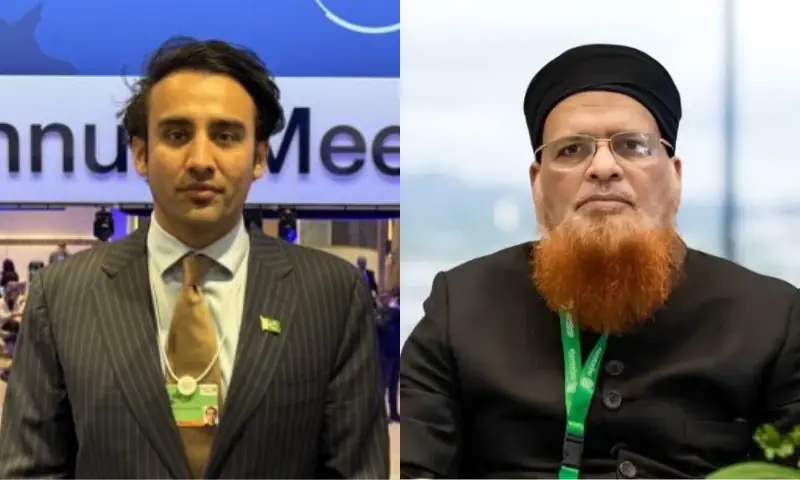
ISLAMABAD (MNN); Pakistan Virtual Assets Regulatory Authority (PVARA) Chairman Bilal bin Saqib has said he held a constructive meeting with renowned Islamic scholar Mufti Taqi Usmani to discuss the Shariah status of digital assets and the evolving landscape of blockchain technology.

In a statement shared on social media platform X on Saturday, Saqib described the discussion as productive and said both sides agreed on the importance of protecting Pakistanis from fraud, financial exploitation and other risks associated with emerging digital financial technologies.
“We are united on one fundamental objective: safeguarding the public from fraud, exploitation and financial harm,” Saqib said.
The meeting comes weeks after a fatwa issued on June 10 by Darul Ifta, Jamia Darul Uloom Karachi, signed by Mufti Taqi Usmani and six other eminent scholars, declared the purchase of goods through cryptocurrency to be impermissible under Islamic law.
The religious decree stated that cryptocurrencies do not qualify as “Maal” (wealth) in Shariah. According to the fatwa, cryptocurrencies merely represent entries of virtual numerical values in digital accounts rather than tangible or legally recognized wealth, whether in the form of USDT (Tether) or other crypto tokens.
The decree further maintained that since cryptocurrency is not regarded as Shariah-recognised wealth, transactions conducted through it do not establish valid ownership of purchased goods. It also ruled that educational courses or other services acquired through cryptocurrency would not be considered valid under Islamic jurisprudence.
During the meeting, Bilal bin Saqib explained that blockchain technology encompasses a broad range of applications beyond cryptocurrencies, including digital assets, stablecoins and tokenised real-world assets, each requiring independent technical and Shariah evaluation.
He stressed that emerging financial technologies should not be viewed through a single lens but assessed through detailed technical analysis alongside comprehensive Islamic legal examination.
Saqib expressed hope that continued engagement between Islamic scholars, regulators and technology experts would help Pakistan formulate a balanced regulatory framework that remains consistent with Islamic principles while embracing innovation.
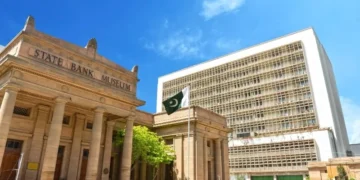
Bilal bin Saqib currently heads the Pakistan Virtual Assets Regulatory Authority (PVARA), an autonomous federal regulator whose governing board includes the Governor of the State Bank of Pakistan (SBP), the Chairmen of the Securities and Exchange Commission of Pakistan (SECP) and the Federal Board of Revenue (FBR).
The authority is responsible for regulating virtual assets, combating illicit financial activities, protecting consumers, facilitating innovation in fintech and remittances, and promoting Shariah-compliant digital financial products through regulatory sandboxes.
Pakistan formally recognized virtual assets through the Virtual Assets Act 2026, enacted in April, which allows licensed virtual asset service providers to access banking services.
Earlier this year, Saqib stated that nearly 40 million Pakistanis were already participating in digital asset markets, largely through unregulated platforms, highlighting the need for an effective regulatory framework to maximize opportunities while minimizing financial risks.
In December 2025, he also announced plans to introduce Pakistan’s first stablecoin, a digital currency whose value is linked to a conventional fiat currency such as the US dollar, with the objective of integrating virtual assets into the country’s financial ecosystem.