



















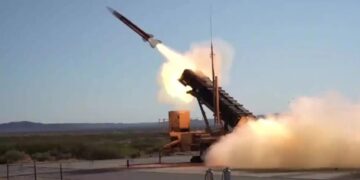

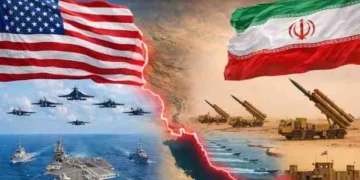



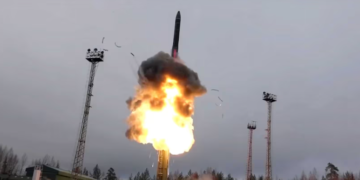






















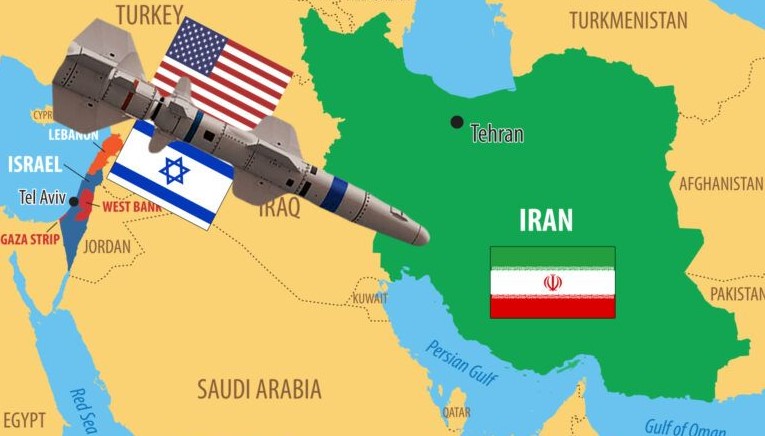
WASHINGTON/TEHRAN (MNN); The United States has launched a new wave of military strikes against Iran, marking a sharp escalation in regional tensions just hours after US President Donald Trump declared that the interim agreement aimed at ending the conflict with Tehran was “over.”

According to the US Central Command (CENTCOM), the latest strikes were intended to weaken Iran’s capability to threaten freedom of navigation in the strategically important Strait of Hormuz.
In a statement posted on X, CENTCOM said the United States was holding Iran responsible for what it described as recent “unjustified aggression” against commercial vessels and civilian crews operating in international waters.
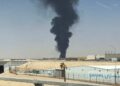
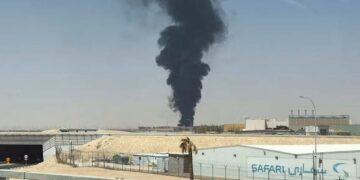
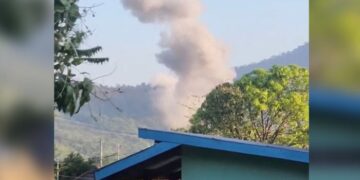
Meanwhile, multiple explosions were reported across southern Iran. Iranian media said blasts were heard in Bushehr Province, Bandar Abbas, Chabahar, and Konarak, while air defence systems were activated in several areas.
State media also reported power outages in Chabahar following the explosions. However, Iranian authorities have not yet confirmed the exact targets or the extent of the damage.
Amid the renewed hostilities, Iranian officials warned that any further military action against the country would trigger a complete closure of the Strait of Hormuz, one of the world’s most critical energy shipping routes.
According to Iranian media, a security source said Tehran would halt all maritime traffic through the strait if additional attacks were launched against Iranian territory.
The source further warned that Iran would retaliate forcefully, claiming that for every Iranian target struck, at least two enemy targets would be attacked in response.
Reacting to the latest developments, United Nations Secretary-General António Guterres expressed deep concern over the renewed confrontation between Washington and Tehran.
His spokesperson, Stéphane Dujarric, warned that the military escalation could derail recent diplomatic progress between the two countries and risk triggering a broader regional conflict.
The UN chief urged all parties to exercise maximum restraint, avoid further escalation, and comply with international law, including the protection of civilians, civilian infrastructure, and the freedom of international navigation.