




























































WASHINGTON/ISLAMABAD (MNN): Global oil prices climbed sharply on Tuesday after the United States revoked a general license permitting the sale of Iranian crude oil, while renewed attacks on commercial vessels near the Strait of Hormuz intensified concerns over disruptions to global energy supplies.

Brent crude futures settled up 3.01% at $74.16 per barrel, while US West Texas Intermediate (WTI) crude gained 2.76% to close at $70.44 per barrel. Prices extended their rally in after-hours trading, with Brent rising to $76.03 and WTI reaching $72.20, leaving both benchmarks more than 5% higher than the previous day’s close.
The latest market rally followed Washington’s decision to revoke the general license that had allowed the sale of Iranian crude oil, signalling a tougher US stance toward Tehran.
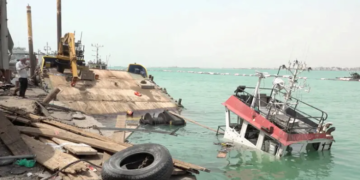
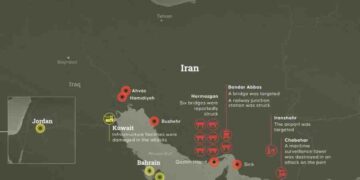
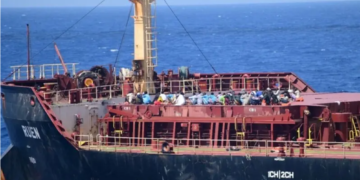
The move came shortly after three commercial tankers were struck in the Strait of Hormuz, including a Qatari liquefied natural gas (LNG) carrier that Doha said was hit by an Iranian drone. A Saudi-flagged crude oil tanker, believed to be the supertanker Wedyan, was also damaged near Oman, although the exact cause remains under investigation.
A US official described Iran’s actions in the strategic waterway as “wholly unacceptable” and warned that Tehran would face consequences if attacks on commercial shipping continued.
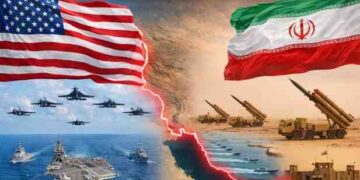
Energy analysts said the latest developments underscore the fragility of the ceasefire reached between Washington and Tehran earlier this year.
Bob Yawger, Director of Energy Futures at Mizuho, said the revocation of the oil license reflected Washington’s view that Iran had crossed a red line. However, he suggested the measure was unlikely to significantly reduce Iranian oil exports or derail prospects for a broader agreement.
“I don’t believe it is in either side’s interest to abandon negotiations,” he said.
Ajay Parmar, Director of Energy and Refining at ICIS, warned that the ceasefire remains highly unstable and that further attacks could trigger prolonged volatility in oil markets.
“Even the threat of Iran closing the Strait of Hormuz again would cause a sharp increase in oil prices,” he said.
UBS analyst Giovanni Staunovo noted that renewed tensions in the Middle East and concerns over attacks on commercial shipping could reduce oil exports from the Gulf region.
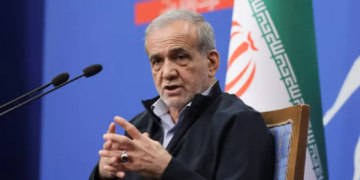
Meanwhile, Iran’s foreign minister said negotiations on a final agreement with the United States would not proceed as long as Washington continued issuing threats, following US President Donald Trump’s warning that America would “finish the job” if no agreement is reached.
Market participants continue to closely monitor diplomatic efforts between Washington and Tehran, as well as security developments in the Strait of Hormuz, which before the recent conflict handled nearly one-fifth of global daily oil and LNG shipments.
Separately, Ukraine’s military claimed its drones struck eight vessels from Russia’s so-called “shadow fleet” overnight, targeting ships allegedly used to transport sanctioned fuel supplies to Crimea.