














































































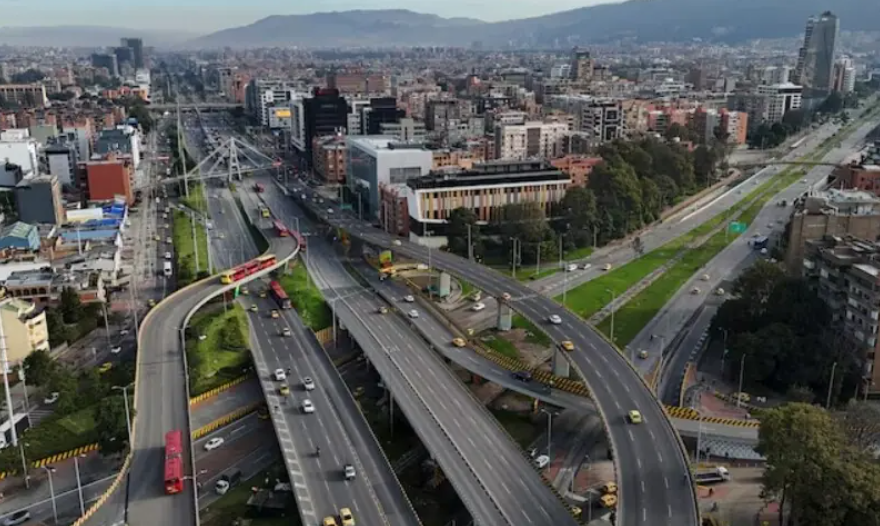
GENEVA: The United Nations Economic Commission for Europe has called on countries across Europe, North America and Central Asia to strengthen transport infrastructure against the growing impacts of climate change, warning that failing to act could prove more expensive than investing in adaptation.

In a report released on Tuesday, the UNECE said roads, railways, inland waterways, ports and airports are expected to face increasing risks between 2050 and 2080 from flooding, extreme heat, sea level rise, reduced snow and ice cover, and thawing permafrost.
The agency, which covers 56 countries across Europe, North America, the Caucasus and Central Asia, identified key transport networks that require priority attention to improve resilience.
“Transport systems are vital for the smooth functioning of our societies and economies,” UNECE Executive Secretary Tatiana Molcean said.
“Disruptions can have dramatic consequences on communities and come at huge financial cost.”
“Because extreme weather events are no longer a future risk but a reality today, adaptation of transport infrastructure is an imperative.”
The report warned that without stronger resilience measures, climate change will cause greater damage to transport systems, including road and railway infrastructure deteriorating during heatwaves, more frequent flooding of transport facilities, and increased disruption at ports and airports during severe storms.
UNECE spokesperson Jean Rodriguez said the recent heatwave in Western Europe had already demonstrated the risks posed by extreme weather.
“The recent episode of extreme heat that we’ve seen in Western Europe has highlighted climate risks and the impact and the consequences they can have on transport infrastructure,” Rodriguez told reporters.
He pointed to railway disruptions including train delays, service cancellations caused by buckled tracks, air-conditioning failures, and damage to signalling systems and electrical cables.
According to the report, parts of the region could experience between 10 and 50 additional days each year with temperatures exceeding 25°C, while some areas may face as many as 200 days annually above that threshold.
The UNECE also projected that by 2050, around 70 per cent of transport infrastructure in the Arctic will be located in areas vulnerable to permafrost thaw and land subsidence.
The report identified heavy rainfall, coastal flooding and rising sea levels as major long-term threats, particularly in the Alps, the Balkans, northern Turkey, parts of Central Asia and the eastern United States. It also warned that transport infrastructure along major European rivers, including the Danube, Rhine and Volga, faces increasing flood risks.
Globally, between 71 and 89 per cent of ports are expected to be exposed to extreme marine storms by the end of the century.
The report said “Early adaptation could reduce related costs by half,” urging governments to prioritise climate resilience in long-term infrastructure planning.
It concluded that while upgrading transport systems may require significant investment, “While adaptation measures can appear as costly, the consequences of inaction may be even more costly.”