




































































Oil prices rose by more than 2 per cent on Wednesday after US airstrikes on Iran and renewed sanctions on Iranian crude exports raised concerns that a fragile ceasefire could collapse and disrupt energy supplies from the Middle East.

Brent crude futures increased by $1.92, or 2.6 per cent, reaching $76.08 a barrel at 0400 GMT, while US West Texas Intermediate (WTI) crude rose by $1.82, or 2.6 per cent, to $72.26 a barrel.
Both oil benchmarks had already gained around 3 per cent on Tuesday after the United States withdrew a licence that had allowed Iran to sell crude oil internationally following attacks on vessels in the Strait of Hormuz.
“While the revocation doesn’t fundamentally change oil market dynamics, it’s important from a sentiment perspective. It heightens the risk of a breakdown in the temporary deal between the US and Iran,” ING commodity strategists said on Wednesday.
The US strikes came after Iranian attacks on three commercial vessels travelling through the Strait of Hormuz, according to the US Central Command.
“The current conflagration is a reminder to the market of how fragile passage through the Strait still is,” said Saul Kavonic, head of research at MST Marquee.
Kavonic said ongoing tensions could challenge expectations of an oversupplied oil market, potentially forcing traders who had placed large bets on falling prices to reconsider their positions. He added that if disruptions continue and shipping through the waterway remains below half of pre-war levels, supply shortages could push oil prices higher.
Oil prices had previously fallen back to levels seen before the conflict after the US and Iran agreed to a ceasefire last month. Traders had also increased short positions in oil futures, expecting prices to decline further due to the possibility of additional Middle Eastern oil supplies entering global markets.
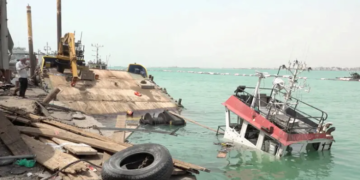
Iran has denied responsibility for the attacks on vessels, while Qatar accused Tehran of being behind the incidents, including an attack on a Qatari liquefied natural gas tanker that reportedly caused a fire in its engine room after a drone strike.
A Saudi-flagged crude oil tanker, believed to be the supertanker Wedyan, was also damaged near Oman, according to maritime security sources. The cause of the damage remains unclear.
The incidents renewed concerns over shipping through the Strait of Hormuz, a crucial energy route that handled cargoes equal to around one-fifth of global energy supplies before the conflict began in February.
Iran has sought to strengthen its control over the waterway and instructed ships to use a route closer to its coastline rather than one near Oman. The United States, however, has insisted that the strait must remain open to international shipping.
Since the start of the conflict, several countries have used their oil reserves to compensate for supply disruptions.
US crude inventories declined again last week, according to market sources citing data from the American Petroleum Institute. Analysts surveyed by Reuters had expected crude stocks to fall by around 2.4 million barrels during the week ending July 3.