















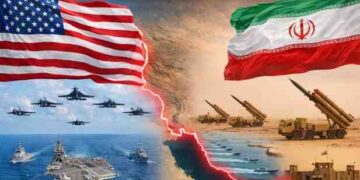





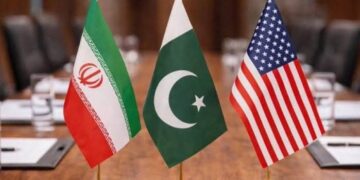



























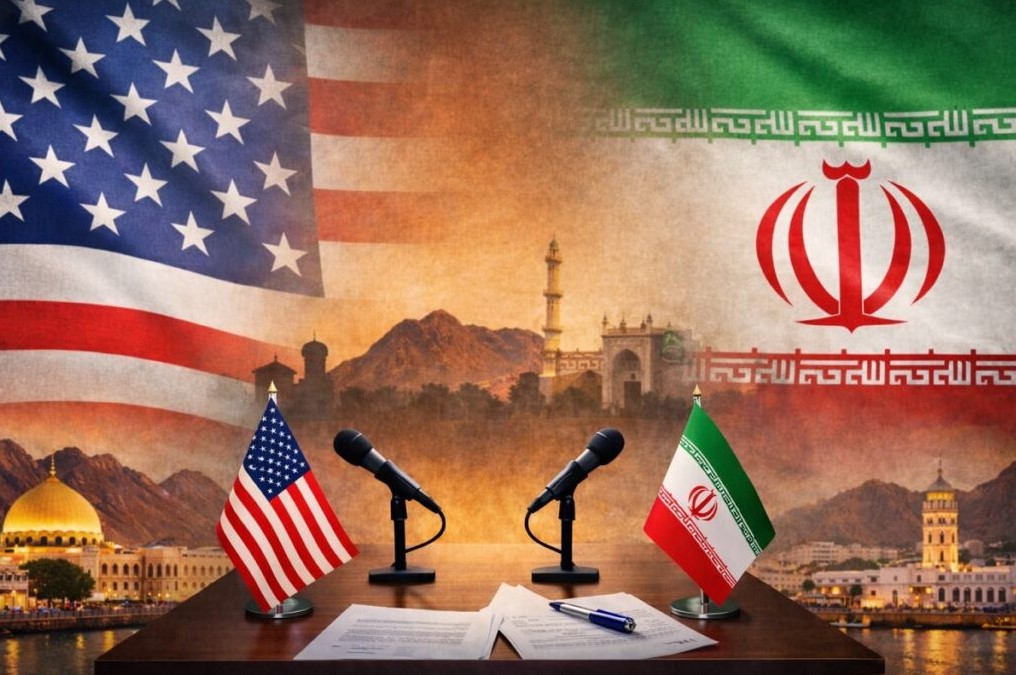
WASHINGTON/TEHRAN/ISLAMABAD (MNN); Diplomatic efforts to ease tensions between the United States and Iran gathered momentum on Friday after US President Donald Trump announced that Washington had agreed to continue negotiations with Tehran following what he described as a request from the Iranian side. The development came as regional powers, including Pakistan, Qatar and Egypt, intensified mediation efforts aimed at preventing another military escalation in the Middle East.

President Trump, writing on his Truth Social platform, said the United States had agreed to resume talks with Iran. At the same time, he reiterated that the ceasefire between the two countries had ended, declaring that Washington had informed Tehran “in no uncertain terms” that the ceasefire was over.
Despite the strong rhetoric, diplomatic contacts between both sides appear to be continuing through multiple regional channels. Reports from international media indicate that technical-level discussions have remained active, reflecting a continued effort to resolve outstanding disputes through negotiations rather than military confrontation.
Meanwhile, Iran maintained a cautious but firm stance. Iranian Parliament Speaker and senior negotiator Mohammad Bagher Ghalibaf said Tehran remained committed to defending its national interests and warned that any breach of previous understandings by Washington would be met with a strong response.
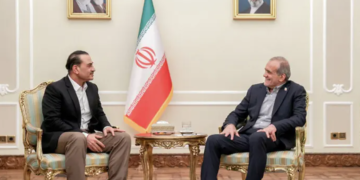
Speaking during a meeting with Ahmad Muzani, Speaker of Indonesia’s People’s Consultative Assembly, Ghalibaf stated that Iran was fully prepared for “all-out defence” if the United States failed to honour last month’s Memorandum of Understanding (MoU). According to remarks published on his official Telegram account, Ghalibaf said he had informed senior US officials during previous negotiations that Tehran did not trust Washington and believed only nations prepared for conflict could negotiate effectively with the United States.
He further stressed that Iran would never surrender under pressure and insisted that peace could only be achieved through mutual respect and adherence to commitments already agreed upon by both sides.
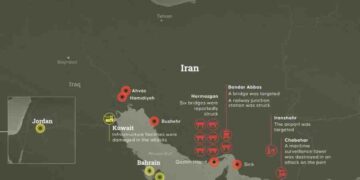
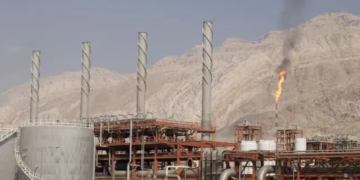
The latest diplomatic activity follows weeks of heightened military tensions that raised fears of a broader regional conflict and threatened international energy markets, particularly shipping through the Strait of Hormuz, one of the world’s most strategically important maritime routes.
Against this backdrop, Pakistan has stepped up diplomatic engagement to support regional peace efforts.
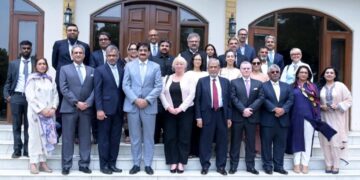
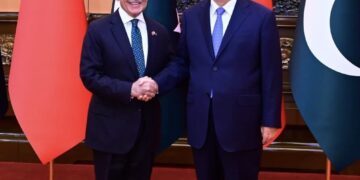
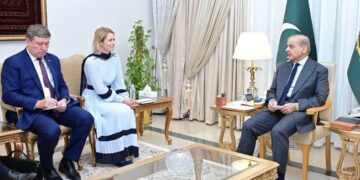
Prime Minister Muhammad Shehbaz Sharif held a telephone conversation with Iranian President Dr. Masoud Pezeshkian, during which both leaders discussed the evolving regional security situation and reaffirmed their commitment to peace and dialogue.
During the conversation, Prime Minister Shehbaz Sharif expressed Pakistan’s deep concern over the recent escalation in tensions and emphasized the urgent need to restore peace and stability across the region. He urged Iran and all other concerned parties to exercise maximum restraint and avoid any action that could undermine the fragile peace achieved in recent months.
The Prime Minister also underscored the importance of implementing the commitments contained in the Islamabad Memorandum of Understanding, describing the agreement as an important framework for promoting mutual understanding, regional cooperation and long-term stability.
Reaffirming Pakistan’s consistent policy of peaceful engagement, Prime Minister Shehbaz Sharif assured President Pezeshkian that Islamabad would continue to play an honest, constructive and sincere role in facilitating dialogue and supporting every initiative aimed at reducing tensions and preventing further conflict.
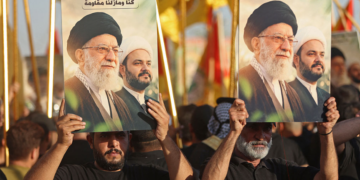
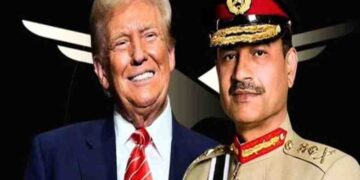
President Pezeshkian appreciated Pakistan’s diplomatic efforts and thanked Prime Minister Shehbaz Sharif, Deputy Prime Minister and Foreign Minister Senator Mohammad Ishaq Dar, Field Marshal Syed Asim Munir and other senior Pakistani leaders for attending the funeral ceremony of the late Ayatollah Seyyed Ali Khamenei.
The Iranian President also reaffirmed Tehran’s commitment to regional peace and acknowledged Pakistan’s balanced and constructive approach towards maintaining stability during a period of heightened tensions.
Both leaders reviewed progress made since President Pezeshkian’s recent visit to Islamabad and agreed to accelerate implementation of bilateral agreements covering economic cooperation, trade, connectivity and regional coordination.
Prime Minister Shehbaz Sharif also conveyed his best wishes and respectful regards to His Eminence Ayatollah Seyyed Mojtaba Hosseini Khamenei. The two leaders agreed to remain in close contact and continue consultations on issues of mutual interest, particularly efforts aimed at strengthening peace, stability and cooperation across the region.
The diplomatic engagement between Islamabad and Tehran coincided with renewed mediation efforts by Qatar and Egypt, both of which have played increasingly important roles in facilitating dialogue between Washington and Tehran.
Regional diplomatic efforts gathered pace as Egypt and Qatar jointly called on the United States and Iran to return to negotiations, emphasizing that dialogue remains the only viable path toward reducing tensions and ensuring long-term peace in the Middle East.
According to statements issued by the Egyptian Ministry of Foreign Affairs, Egyptian Foreign Minister Badr Abdelatty and Qatari Prime Minister and Foreign Minister Sheikh Mohammed bin Abdulrahman Al Thani held consultations on the rapidly evolving regional situation and stressed the importance of giving diplomacy priority over confrontation.
The two leaders urged all parties to immediately resume negotiations and build upon the commitments made under the US-Iran Memorandum of Understanding (MoU). They said implementation of the understandings already reached could pave the way for a comprehensive agreement capable of easing tensions and strengthening regional security.
The ministers also highlighted the need for restraint by all sides and warned that further escalation could have serious consequences for regional stability, international trade and global energy markets.
In a separate statement, Qatar’s Foreign Ministry reiterated that sustained dialogue remains essential for resolving outstanding disputes between Washington and Tehran. Sheikh Mohammed stressed that all parties should remain committed to diplomacy and fully implement the provisions agreed under the Memorandum of Understanding, including measures aimed at ensuring freedom of navigation through the Strait of Hormuz, a critical shipping lane for global oil supplies.
Sources familiar with the diplomatic process told Reuters that Qatari negotiators were in Tehran on Friday holding discussions with senior Iranian officials in coordination with the United States. The meetings were aimed at reducing tensions and creating favourable conditions for broader negotiations between the two countries.
According to the sources, discussions focused on implementation of the US-Iran Memorandum of Understanding as well as addressing the issues that triggered the latest confrontation, including disputes surrounding maritime security and commercial navigation in the Strait of Hormuz.
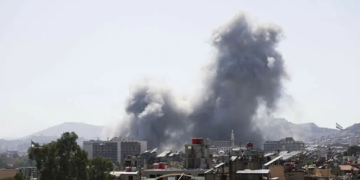
Despite the recent exchange of military strikes between Washington and Tehran, diplomatic channels have remained active. Senior US officials indicated that the Trump administration continues to pursue a negotiated solution to the nuclear dispute while working to prevent another military confrontation in the region.
According to Axios, the United States remains committed to achieving a diplomatic resolution, and technical-level negotiations between American and Iranian experts have continued despite recent hostilities. The report suggested that both governments remain interested in preserving the framework established through previous negotiations, even as political rhetoric has hardened.
Regional mediators, including officials from Qatar and Pakistan, have remained actively engaged in facilitating communication between the two sides. Diplomatic sources indicated that several rounds of telephone contacts were held in recent days in an effort to restore confidence and prepare the ground for another formal round of negotiations.
One regional official involved in the mediation efforts said the immediate objective is to secure mutual de-escalation before fixing a date for comprehensive talks involving technical experts from both countries. Diplomats believe reducing military tensions is essential before negotiations can make meaningful progress on broader security and nuclear issues.
Reporting from the White House, Al Jazeera quoted US officials as saying that Washington continues to support technical discussions with Iran despite President Donald Trump’s firm public statements regarding the end of the ceasefire. Officials maintained that diplomatic engagement remains the preferred option for resolving differences peacefully.
Analysts believe the latest wave of diplomacy reflects growing international concern that any prolonged confrontation between the United States and Iran could threaten regional security, disrupt international shipping through the Strait of Hormuz and create renewed volatility in global energy markets.
With Pakistan, Qatar, Egypt and other regional stakeholders actively encouraging dialogue, attention is now focused on whether Washington and Tehran can translate ongoing technical contacts into a new round of formal negotiations. While significant differences remain, diplomats say continued engagement offers the best opportunity to prevent further escalation and preserve stability across the Middle East.
The coming days are expected to be crucial as mediators work to bridge remaining differences and encourage both sides to honour previous understandings while pursuing a comprehensive and lasting diplomatic settlement.