
































































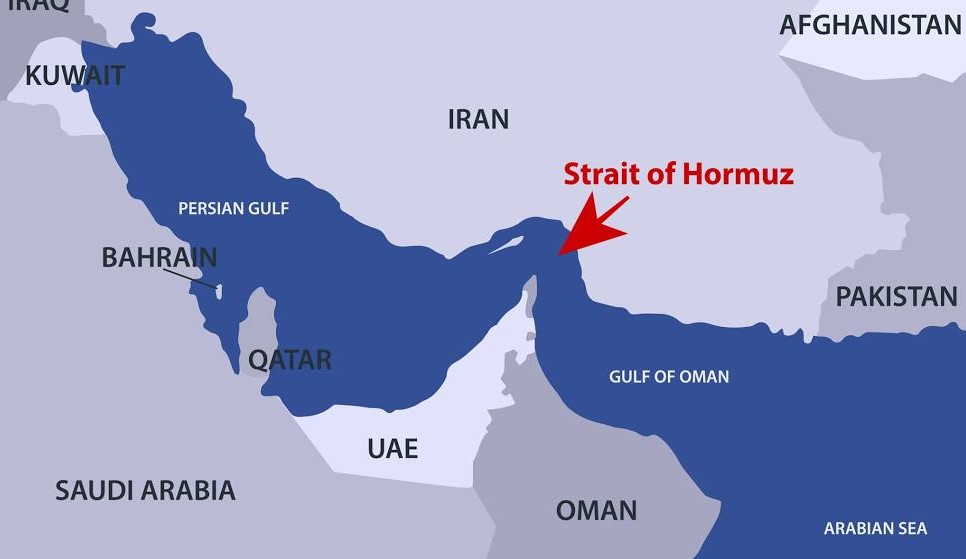
DOHA/ISLAMABAD/TEHRAN (MNN); Maritime tensions in the Gulf intensified on Saturday after the Persian Gulf Strait Authority (PGSA) announced that transit through the Strait of Hormuz was temporarily not possible, citing what it described as recent illegal military movements by the United States.

In a statement posted on X, the authority said transit requests would remain suspended until stability is restored, adding that shipping permissions would be processed only after security conditions improve. It also clarified that transit permits can only be obtained through its official online portal.
Amid the growing uncertainty, Qatar’s Ministry of Transport advised all vessel owners to temporarily suspend navigation and maritime activities until further notice. The advisory covers commercial vessels, recreational boats, fishing craft and personal watercraft, with authorities saying the decision was taken to safeguard public safety.
The United States, however, maintained that the strategic waterway remains open. US Central Command (CENTCOM) said American naval forces are fully deployed and prepared to ensure freedom of navigation through the Strait of Hormuz.
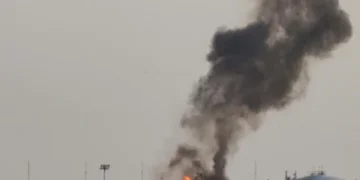
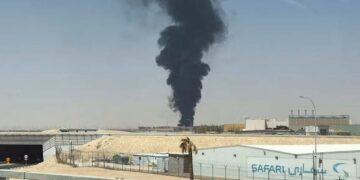
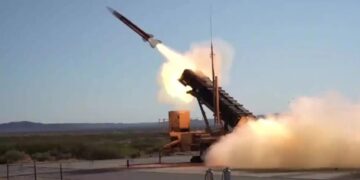
Meanwhile, Bahrain accused Iran of continuing missile and drone attacks targeting civilian areas. Bahraini authorities said air defence systems had intercepted the incoming projectiles and drones, while the armed forces remain on the highest level of operational readiness to protect the country’s security.
Bahrain described the attacks on civilians and civilian infrastructure as a violation of international humanitarian law and urged its citizens to remain alert amid the evolving security situation.
Qatar also strongly condemned the reported Iranian attacks on its territory and elsewhere in the Gulf, calling them a serious breach of sovereignty and international law.
Doha warned that continued military escalation would undermine diplomatic initiatives aimed at restoring regional peace and stability. The Qatari government also reaffirmed its right to respond while simultaneously calling for an immediate halt to military hostilities across the region.
Oman confirmed it had rescued 23 crew members from a Cyprus-flagged commercial vessel that came under attack near the coast of Musandam. One crew member remains missing, and search operations are continuing.
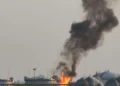
According to Oman’s Maritime Security Centre, the vessel issued a distress signal after sustaining significant fire damage and engine room failures. US Central Command accused Iran of carrying out the attack.
Muscat has also summoned the Iranian ambassador to formally protest drone strikes reported in Musandam and Al Batinah provinces. Omani officials stressed the importance of respecting national sovereignty, non-interference in internal affairs and maintaining good neighbourly relations.
The United Arab Emirates likewise condemned the latest Iranian strikes, describing them as attacks on the sovereignty and security of Gulf nations. Abu Dhabi reaffirmed its solidarity with Bahrain, Qatar, Jordan and Kuwait, which were also affected by the recent escalation.
Iranian media reported that overnight US strikes on the southern port city of Jask killed a naval officer, Lieutenant Hamidreza Dehghani, who was described as having been martyred during the attack.
Kuwait also denounced what it termed Iranian attacks on its territory, warning that continued military escalation threatens regional peace, security and ongoing diplomatic efforts.
The Kuwaiti Foreign Ministry stated that the country reserves the right to take all necessary measures under international law and the United Nations Charter to safeguard its sovereignty and national security.
The latest developments underscore growing instability across the Gulf, where military tensions continue to threaten maritime trade, regional security and international diplomatic efforts.