







































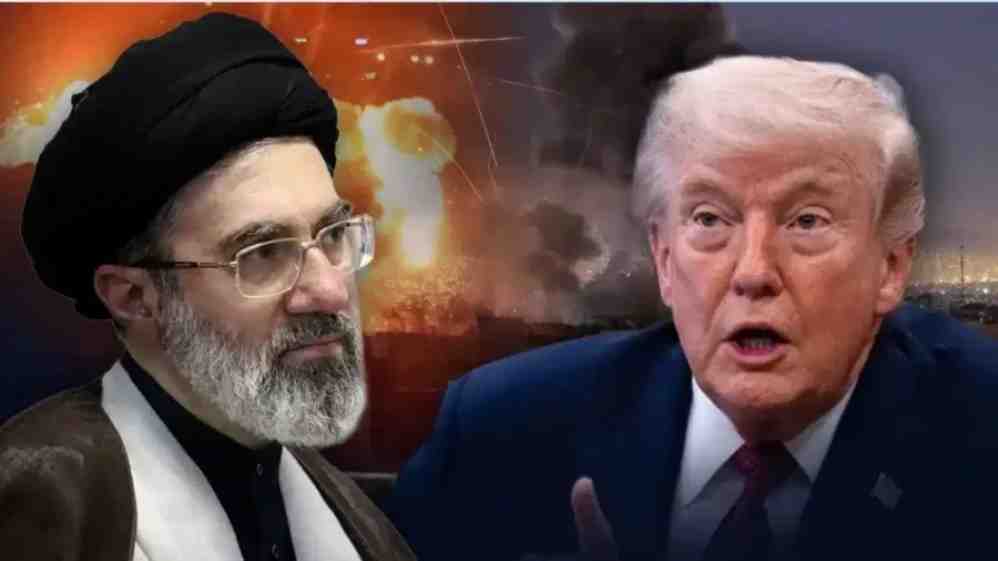
TEHRAN (MNN); Iran’s Supreme Leader Ayatollah Mojtaba Khamenei on Saturday vowed that Tehran would avenge the killing of his father and predecessor, Ayatollah Ali Khamenei, in US-Israeli strikes, further escalating tensions with Washington after US President Donald Trump warned of overwhelming military retaliation against any attempt on his life.

The latest exchange of strong statements comes as international mediators continue efforts to preserve a fragile diplomatic process following renewed military exchanges that threatened an interim agreement aimed at ending the conflict that began on February 28.
In his first public message since the funeral of his father, Ayatollah Mojtaba Khamenei declared that seeking revenge reflected the will of the Iranian nation and would eventually be carried out.
He emphasized that the objective was not tied to any individual leader, saying the policy would continue regardless of changes in the country’s leadership. He also claimed that Iran had identified individuals it considered responsible and had prepared a list of targets.
Earlier in the day, President Donald Trump issued a stern warning through his Truth Social platform, stating that any attempt to assassinate the US president would trigger an overwhelming American military response.
Trump claimed that extensive military assets were prepared to respond and warned that the United States was ready to launch devastating strikes against Iran if Tehran acted on what he described as threats against the American president.
Despite the sharp rhetoric from both sides, diplomatic channels remain active.
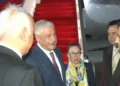
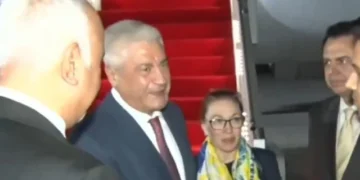
According to Iranian media, a high-level delegation from Qatar arrived in Tehran to reinforce Doha’s mediation efforts and encourage both countries to return to negotiations.
Although President Trump has said dialogue with Iran will continue, he has expressed skepticism over the prospects for meaningful progress, describing the talks as largely unproductive.
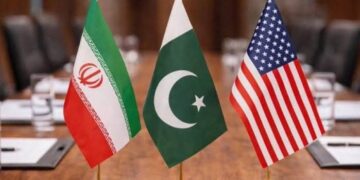
Iranian Foreign Minister Abbas Araghchi insisted that Tehran had honoured its commitments under the Islamabad Memorandum of Understanding (MoU), signed on June 18 with Pakistani mediation. He stressed that any lasting agreement would require reciprocal implementation by both sides.
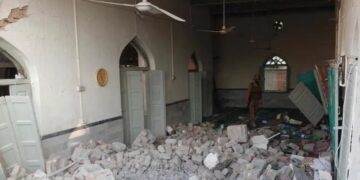
The latest escalation followed accusations that Iran targeted three commercial vessels allegedly operating outside approved navigation routes. The incident prompted a large-scale US military response, with American forces reportedly striking around 90 targets across Iran.
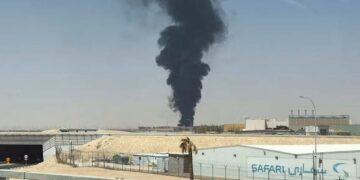
Iran’s Health Ministry said the attacks killed 17 people and injured 115 others, while Tehran subsequently launched retaliatory actions against Gulf countries hosting US military bases.
Since the signing of the Islamabad agreement, American and Iranian officials have held one round of direct high-level talks in Switzerland as well as indirect negotiations in Qatar. However, little tangible progress has been reported.
One of the principal obstacles to a comprehensive settlement remains the future status of the Strait of Hormuz.
Iran closed the strategic waterway to commercial shipping during the conflict and has since insisted that it will regulate maritime traffic and impose transit fees. Washington has rejected the proposal, maintaining that international shipping lanes must remain open under international law.
To address the issue, Foreign Minister Abbas Araghchi arrived in Oman on Saturday for consultations on the future administration of the Strait of Hormuz.
Media reports also suggested that Washington had given Tehran until Saturday to halt interference with commercial shipping and formally acknowledge the reopening of the vital maritime corridor.
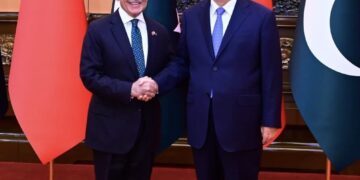
Meanwhile, Qatar has intensified diplomatic efforts to reduce regional tensions. Qatar’s Emir held a telephone conversation with Prime Minister Shehbaz Sharif, while the Pakistani premier also spoke with Iranian President Masoud Pezeshkian, urging all sides to preserve the fragile peace achieved through recent diplomatic initiatives.
However, Iran’s chief negotiator, Mohammad Bagher Ghalibaf, reiterated that while ending the conflict remained important, Iran would never accept surrender under pressure.
He said the Iranian people were fully prepared to defend their country and would continue to resist external threats.