














































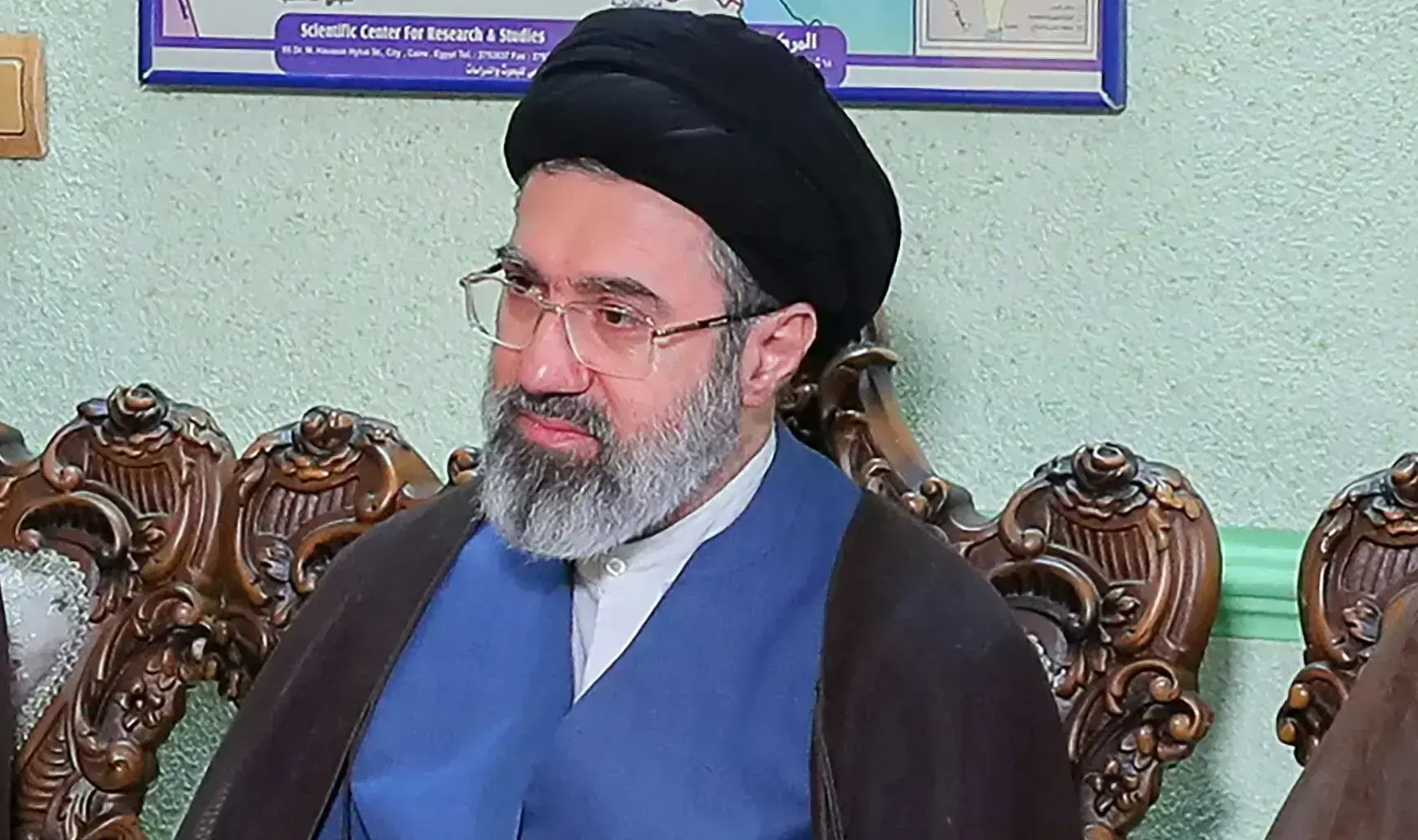
TEHRAN (MNN); Iran’s Supreme Leader Ayatollah Mojtaba Khamenei has called for comprehensive legal action against the United States and Israel, accusing both countries of committing war crimes and targeting civilians during recent military conflicts with Iran.

In a message released on Sunday to mark the anniversary of the 1981 assassination of former Iranian judiciary chief Ayatollah Mohammad Beheshti and several senior officials, Khamenei said seeking justice for the victims of the recent conflicts had become one of Iran’s highest legal priorities. The statement was published on his official X account and carried by Iranian state media.
Khamenei, who assumed the position of Supreme Leader on March 8 and has remained out of the public eye since then, said the Iranian nation had suffered extensive human and material losses due to what he described as the “crimes of global arrogant powers and aggressors,” specifically referring to the conflicts that took place during the Iranian years 1404 and 1405.
His remarks referred to the 12-day conflict between Iran and Israel in 2025 and the latest military confrontation that began with coordinated US-Israeli airstrikes on Iran in late February this year.
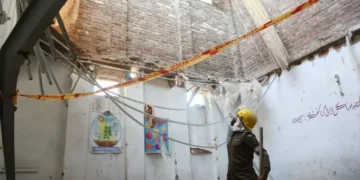
According to Khamenei, every incident involving civilian casualties, including the deaths of children and attacks on medical facilities, should be documented and pursued through legal proceedings in both Iranian and international courts. He specifically mentioned incidents in the cities of Minab and Lamerd, where he alleged civilians were killed and healthcare facilities were targeted.
The Supreme Leader also referred to the assassination of his predecessor and father, Ayatollah Ali Khamenei, stating that his killing, along with the deaths of newborn children, elderly civilians and other victims, represented thousands of legal cases that deserved judicial action.
He insisted that those responsible for what he described as crimes against the Iranian people must be held accountable under international law.
Khamenei further argued that statements made by senior American and Israeli officials regarding recent military operations amounted to admissions of responsibility and could strengthen Iran’s legal case in international forums. He said such remarks would assist Iranian authorities in seeking compensation and justice for victims.
He directed Iran’s judicial institutions and other relevant authorities to continue investigating alleged crimes committed during both recent wars and to pursue legal action until final verdicts are reached, saying accountability would help prevent similar incidents in the future.
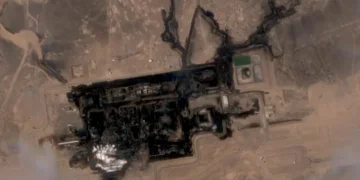
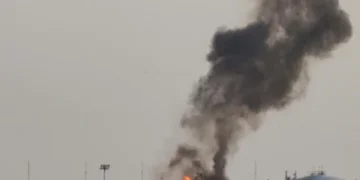
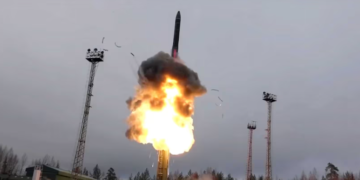
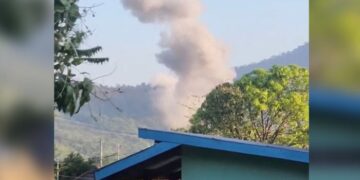
The latest tensions between Tehran and Washington began on February 28, when the United States and Israel launched coordinated strikes on Iranian military and strategic facilities. The conflict later expanded across the region as Iran carried out retaliatory attacks against American military installations in several Gulf countries and imposed restrictions on maritime traffic through the Strait of Hormuz, one of the world’s most important energy shipping routes.
Although Iran has acknowledged some military responses, it has denied responsibility for all attacks reported across Gulf states during the conflict.
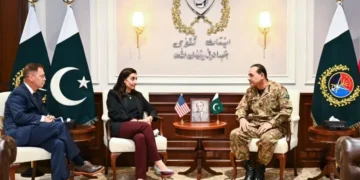
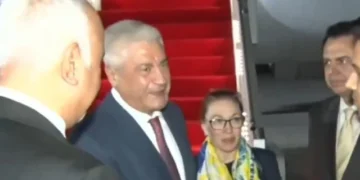
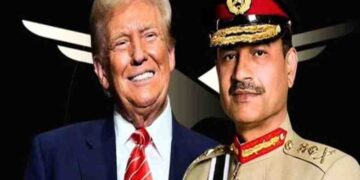
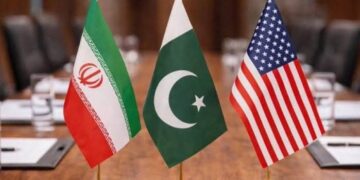
Diplomatic efforts led by Pakistan resulted in a ceasefire agreement on April 8, followed by the signing of a Memorandum of Understanding (MoU) between Iran and the United States on June 18, aimed at establishing a lasting peace and ensuring freedom of navigation in the Strait of Hormuz.
However, hopes for a permanent end to hostilities have weakened after both sides exchanged fresh military strikes over the weekend and accused each other of violating the ceasefire agreement.
Regional observers believe the continuation of military exchanges could further complicate diplomatic efforts and delay any long-term political settlement in the Middle East.