





































































Oil prices fell on Monday after the conclusion of US-Iran talks in Switzerland, with markets reacting to signs of diplomatic progress and reports that Tehran had secured waivers for its oil and petrochemical exports.

Brent crude dropped $1.68, or 2.09 per cent, to $78.89 per barrel by 0633 GMT, after initially rising to $82.30 earlier in the trading session. US West Texas Intermediate (WTI) crude futures fell 60 cents to $76 per barrel, while the more actively traded August contract declined 69 cents to $75.16 per barrel.
The decline came after the first round of high-level talks between the United States and Iran concluded in Switzerland under the framework of a memorandum of understanding signed last week to extend a fragile ceasefire and work towards a broader agreement.
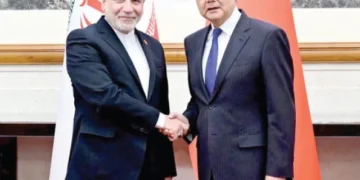
Iranian Foreign Minister Abbas Araghchi said Tehran had secured waivers for oil and petrochemical exports, the release of some frozen assets and the launch of a reconstruction and development plan.
Analysts said the development reduced fears of supply shortages and raised expectations that Iranian crude could return to global markets in greater volumes.
“The decline has been driven primarily by improving prospects for a diplomatic breakthrough between the United States and Iran … reviving hopes that sanctions on Iran could eventually be eased,” said Sugandha Sachdeva, founder of SS WealthStreet.
She added that a relaxation of sanctions could allow nearly 1.5 million barrels per day of Iranian crude to return to international markets, significantly increasing global supply.
The talks wrapped up after two days of discussions aimed at addressing longstanding disputes between Washington and Tehran. Mediators said technical-level negotiations would continue as both sides work towards a more comprehensive agreement within a 60-day timeframe.
Despite the positive market reaction, analysts warned that risks remain. Before the talks concluded, concerns had grown after Iran announced another closure of the Strait of Hormuz, while renewed violence in Lebanon raised fears that the ceasefire could unravel.
“Recent developments show that moving towards a more permanent deal will be challenging, with very real risks of a flare-up in hostilities during the 60-day ceasefire,” analysts at ING said in a note.
Oil prices had already fallen more than 8pc last week amid expectations that additional supplies could enter the market through the release of stranded Gulf cargoes and the possible easing of sanctions on Iranian exports.
Iran’s National Iranian Oil Company said more than 25 million barrels of Iranian oil had crossed the virtual blockade line since last Monday, highlighting the country’s efforts to restore exports.
Meanwhile, other major producers have also moved to increase supply. The United Arab Emirates, Kuwait and Iraq have offered additional crude to customers in recent days, while Iraq announced plans to gradually raise production to between 4.2 million and 4.3 million barrels per day.
The latest developments have shifted market attention from fears of disruption in the Gulf towards the prospect of increased supply, putting downward pressure on oil prices despite ongoing geopolitical uncertainties.