


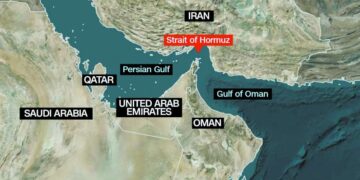





































































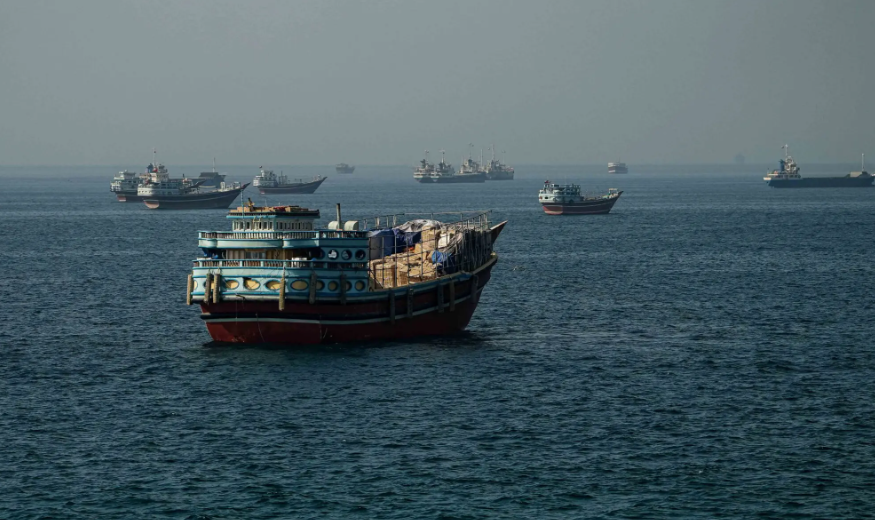
TEHRAN (MNN); Global oil prices continued to decline after the United States and Iran signed an interim peace agreement, easing fears of prolonged disruptions in the Strait of Hormuz, one of the world’s most important energy shipping routes.

Brent crude fell to its lowest level since February 27, while US West Texas Intermediate (WTI) crude touched its lowest point since early March, reflecting growing confidence that energy supplies will gradually return to normal.
Market analysts said the agreement had significantly reduced the risk premium that had been built into oil prices during the conflict. Phil Flynn of the Price Futures Group noted that the reopening of the Strait of Hormuz had removed a major uncertainty surrounding nearly 20 per cent of global oil flows.
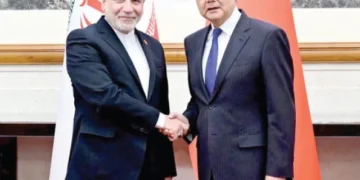
Under the 14-point Islamabad Memorandum of Understanding between Washington and Tehran, a 60-day negotiation period has begun, during which Iran will permit toll-free passage through the strategic waterway. The agreement aims to restore shipping traffic through the Strait of Hormuz to full capacity within 30 days.
While the accord leaves major issues such as Iran’s nuclear programme for future negotiations, it also calls on the United States and its partners to develop a $300 billion recovery plan for Iran.
Industry experts expect oil exports through the Strait of Hormuz to recover gradually. Investment bank Goldman Sachs forecasts Gulf energy exports will return to pre-war levels by the end of July, with oil production expected to normalise by October.
However, some analysts caution that oil prices are unlikely to return to pre-war levels immediately because of ongoing supply constraints and strengthening demand. BNP Paribas said it expects oil prices to remain supported, describing $75 per barrel as a likely floor in the foreseeable future.
US Vice President JD Vance said the agreement was already delivering positive economic results. Speaking at the White House, he revealed that 12.5 million barrels of oil passed through the Strait of Hormuz in a single day, the highest volume since the conflict began.
Vance added that oil prices had fallen close to pre-war levels, while average gasoline prices in the United States had dropped below $4 per gallon for the first time since the outbreak of hostilities.
According to the AAA motor club, the average price of regular gasoline in the US stood at $3.99 per gallon on Thursday, offering some relief to consumers despite remaining above levels recorded before the conflict.
The conflict had triggered a sharp rise in energy prices after Iran temporarily blocked the Strait of Hormuz, a vital route through which nearly one-fifth of the world’s oil and gas supplies normally pass.
Meanwhile, global fertiliser trade has also been severely affected by the conflict. The UN Food and Agriculture Organisation (FAO) reported that fertiliser trade volumes declined by 30 per cent during the first four months of 2026 as soaring prices and export restrictions disrupted international markets.
Although the reopening of the Strait of Hormuz is expected to improve supply chains, the FAO warned that recovery in fertiliser markets would likely be gradual and uneven, with prices expected to remain elevated for some time.