















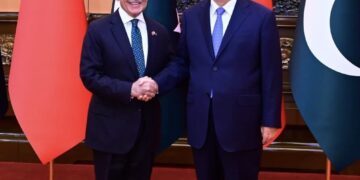

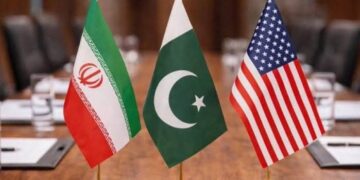









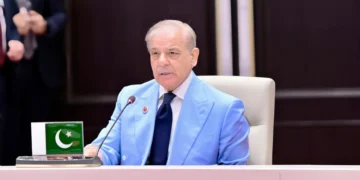









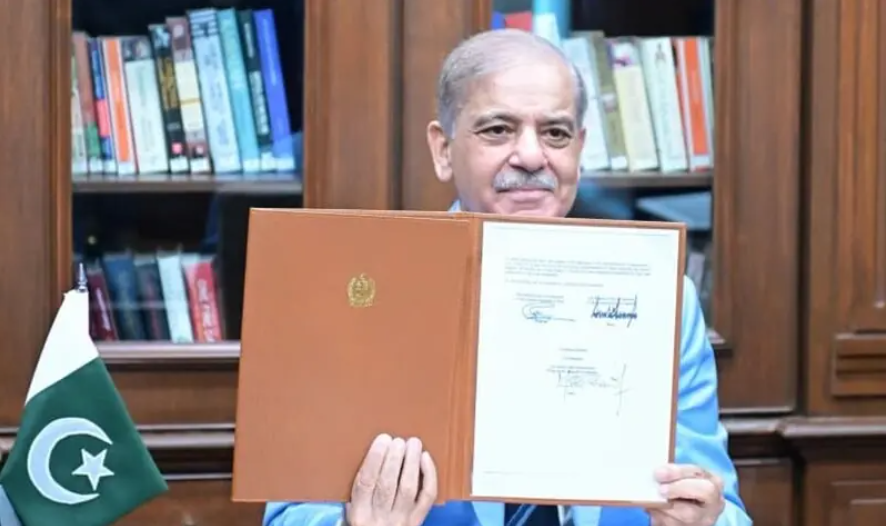
Prime Minister Shehbaz Sharif announced that the Islamabad Memorandum of Understanding (MoU) between the United States and Iran has been electronically signed by the leaders of both countries and endorsed by Pakistan in its role as mediator.

“The memorandum has been signed by honourable presidents of both the countries and also endorsed by me as the mediator. The signing of this agreement at the highest level of the respective governments demonstrates the commitment of both sides to a diplomatic resolution of the conflict,” he said.
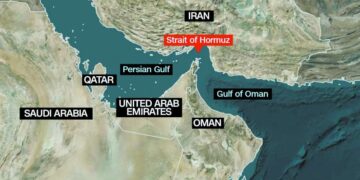
According to the premier, the agreement takes effect immediately. As part of the first phase, Iran will reopen the Strait of Hormuz at once, while the United States will immediately end its naval blockade.
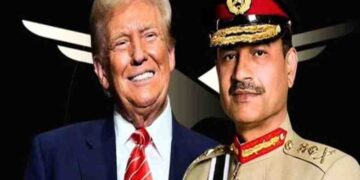
US President Donald Trump signed the MoU during a dinner at the Palace of Versailles after the G7 summit, while Iranian Foreign Ministry spokesman Esmaeil Baqaei confirmed that the document had been finalised with the signatures of both presidents.
Although PM Shehbaz initially stated that Pakistan and Qatar would host an official ceremony in Switzerland on June 19, Iranian officials later clarified that no signing ceremony would be held because the agreement had already been digitally signed. Switzerland, however, confirmed that initial US-Iran talks were planned at the Buergenstock resort.
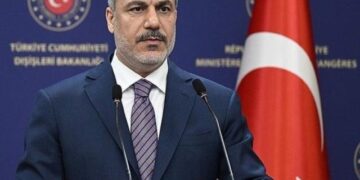
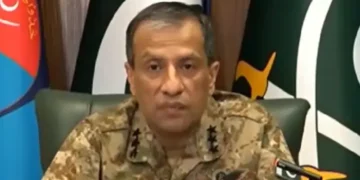
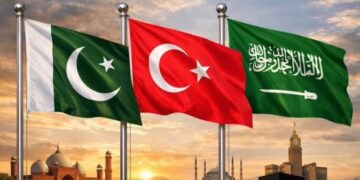
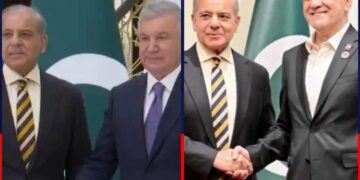
Congratulating the parties involved, PM Shehbaz praised President Trump’s commitment to diplomacy and acknowledged the efforts of US and Iranian negotiators, as well as the support of Qatar, Saudi Arabia, Turkiye and Egypt. He also credited Chief of Defence Forces and Chief of Army Staff Field Marshal Asim Munir for playing a key role in facilitating the breakthrough.
President Asif Ali Zardari welcomed the agreement as a historic development, expressing hope that the region would now focus on development and prosperity after months of conflict that disrupted energy supplies, trade and economic stability.
The deal seeks to formally end the war that began on February 28, when the United States and Israel launched military action against Iran. The conflict triggered Iranian missile and drone attacks across the region, led to the closure of the Strait of Hormuz and prompted the US to block shipping to and from Iranian ports.
Under the agreement, Washington will immediately waive oil sanctions that have severely affected Iran’s economy. The deal also states that, once a final agreement on Iran’s nuclear programme is reached, the US will help facilitate the release of a $300 billion reconstruction fund backed by regional countries.
The agreement further provides that Iran will dilute its enriched uranium stockpiles, potentially through “down-blending on site under the supervision of the IAEA”.