



























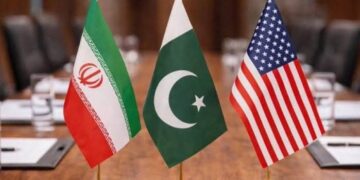




























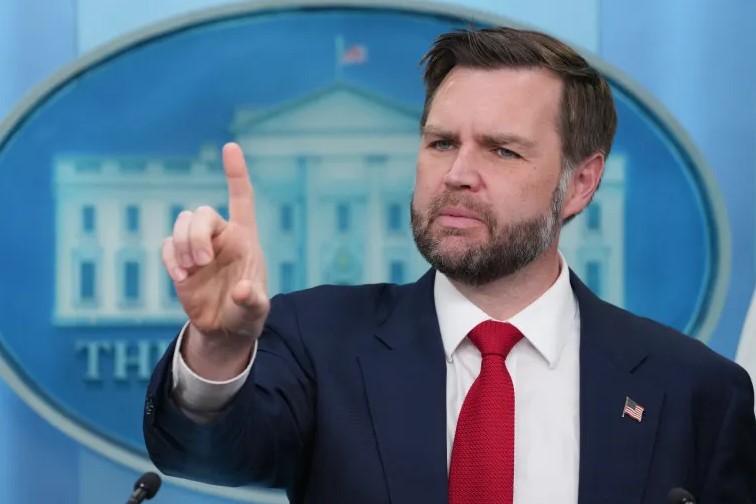
WASHINGTON (MNN); US Vice President JD Vance has strongly defended the memorandum of understanding (MoU) signed between the United States and Iran, while pushing back against criticism from both Democratic lawmakers and some members of his own Republican Party.

In an interview with The New York Times, published a day after US President Donald Trump and Iranian President Masoud Pezeshkian signed the agreement, Vance reserved some of his sharpest remarks for Israel, whose leaders have continued to advocate a tougher approach toward Iran.
Responding to criticism from Israeli officials, including ministers Bezalel Smotrich and Itamar Ben-Gvir, Vance questioned what alternative strategy they were proposing.
“You cannot solve every national security problem through military force alone,” he said, urging Israel to allow diplomacy and negotiations to take their course while recognising the longstanding support provided by the United States.
His comments marked another instance of the Trump administration publicly expressing frustration with Israeli policies, particularly military operations in southern Lebanon that have repeatedly threatened efforts to secure a broader regional settlement.
President Trump has also recently criticised Israel’s military tactics, saying excessive force has resulted in significant civilian casualties and urging restraint in its conflict with Hezbollah.
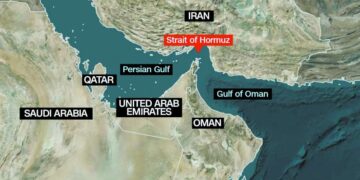
At a White House briefing, Vance continued to defend the agreement, describing it as a framework that reopens the Strait of Hormuz, ends the US naval blockade of Iranian ports and seeks to halt fighting across multiple fronts, including Lebanon.
The agreement has faced criticism from several senior Democrats and a number of Republicans, who argue that Tehran received substantial concessions without making major compromises that could not have been achieved through diplomacy before the conflict.
Vance rejected those claims, arguing that the war had strengthened Washington’s negotiating position by damaging Iran’s nuclear infrastructure, weakening its conventional military capabilities and putting pressure on its economy.
He described the outcome as a strategic success for the United States regardless of how the next phase of negotiations unfolds.
According to Vance, if Iran refuses to change its behaviour, its military and nuclear capabilities have already suffered significant setbacks. However, if Tehran adopts a more cooperative approach, it could open the door to a transformed relationship with both the Middle East and the wider international community.
The memorandum includes immediate sanctions relief for Iran’s energy sector, plans for a $300 billion reconstruction fund, discussions on unfreezing Iranian assets and a roadmap toward lifting remaining sanctions.
The agreement also commits Iran to diluting its stockpile of highly enriched uranium inside the country, while leaving broader questions regarding the future of its nuclear programme to a 60-day negotiation process.
Vance said he believes Iran may ultimately accept enhanced international inspections if economic incentives and sanctions relief are used effectively.
However, key issues remain unresolved, including Iran’s ballistic missile programme and its support for allied groups across the region — matters that continue to concern both Israel and Iran critics in Washington.
The vice president said future negotiations should focus on ensuring that the Strait of Hormuz is never again used as a threat to global trade and energy supplies.