













































A US delegation is expected to arrive in Lebanon soon to supervise the implementation of Israel’s withdrawal from southern “pilot zones”, according to the Lebanese presidency, which cited the US ambassador.

Lebanon has demanded that Israel withdraw from these areas before taking part in a new round of talks in Rome on July 15 and 16, a diplomatic source familiar with the negotiations said.
The move follows a June 26 framework agreement between Lebanon and Israel that calls for the disarmament of Hezbollah and a phased Israeli withdrawal from Lebanese territory. Under the agreement, the Lebanese army will gradually deploy to designated pilot zones.
US Ambassador to Lebanon Michel Issa informed President Joseph Aoun that “an American military delegation will arrive in Beirut in the coming days to determine the mechanism for implementation on the ground”, according to a statement from the presidency.
“It is essential to avoid any vacuum when Israeli forces withdraw from the designated area,” Issa said.
However, the agreement, which has been rejected by Hezbollah, does not include a specific timeline for Israel’s withdrawal. Israeli officials have said their forces will remain in a 10-kilometre-deep “security zone” until Hezbollah is no longer armed.
President Aoun urged Washington to “exert pressure on Israel to halt military operations and comply with the provisions of the framework”. He is also expected to visit Washington later this month after being invited by US President Donald Trump.
A US official said the first pilot zone, where Lebanese forces will take over from Israeli troops, is expected to begin “in a matter of days”, while additional zones are still being planned.
Amnesty calls for investigation into Israeli strikes
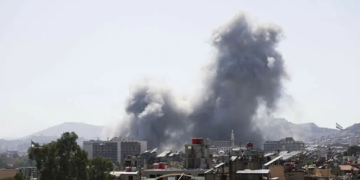
Meanwhile, Amnesty International has accused Israel of killing entire families in strikes on Lebanon and called for investigations into the attacks as possible war crimes.
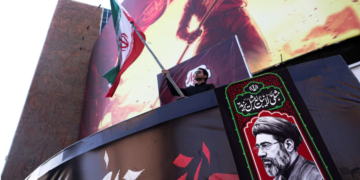
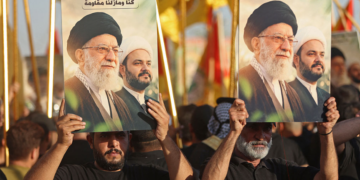
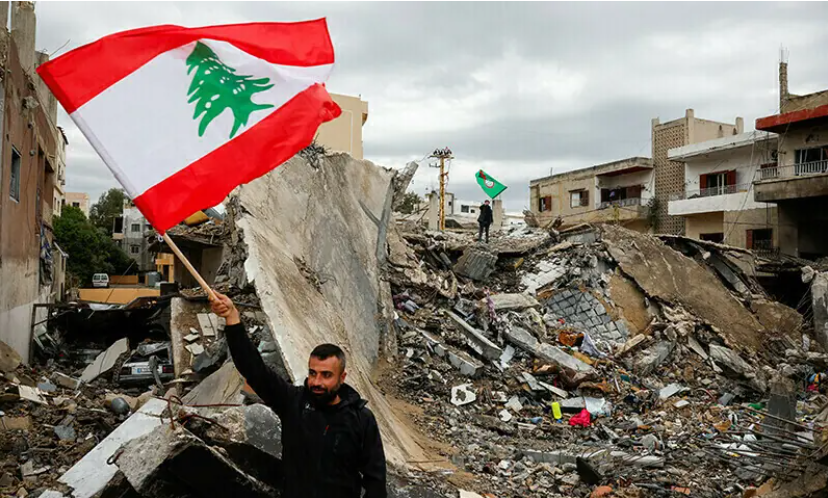
Lebanon became involved in the broader Middle East conflict after US-Israeli forces killed Iran’s Supreme Leader Ayatollah Ali Khamenei, following which Hezbollah launched retaliatory attacks on Israel.
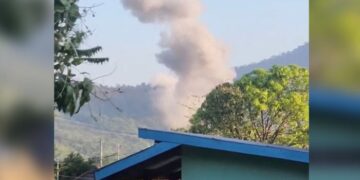
Israel responded with extensive airstrikes and a ground offensive that Lebanese authorities say has killed more than 4,300 people, including over 250 children.
Amnesty reviewed three attacks on civilian homes carried out between March 6 and 13, in which 24 civilians were killed, including 12 children.
The rights organisation said Israeli authorities were contacted and responded that some strikes targeted “Hezbollah military objectives”, while others were “referred for examination”.
Israeli authorities said they remained “committed to mitigating harm to civilians during operational activity”.
“Despite follow up, the Israeli military did not provide specific information regarding the three attacks … including what the targets may have been,” Amnesty stated.
The investigation was based on interviews with 15 individuals, including survivors, family members of victims, paramedics, journalists who visited the locations, and local officials.
“Based on the evidence gathered, in each of these air strikes, Amnesty International has reasonable basis to conclude that Israeli forces violated international humanitarian law, including by failing to distinguish between civilians and military objectives, by carrying out attacks directed against civilians or civilian objects, or by failing to take all feasible precautions to minimise harm to civilians,” the report read.
Kristine Beckerle, Amnesty’s deputy regional director for the Middle East and North Africa, said the Israeli military “obliterated entire families, including a dozen children, in Lebanon, demonstrating a callous disregard for civilian lives”.
“States must impose an immediate comprehensive arms embargo on Israel and use universal and extraterritorial jurisdiction to investigate and prosecute those responsible,” Beckerle added.