


















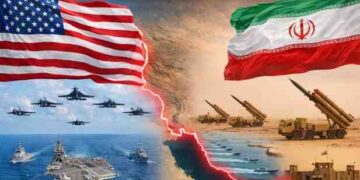






































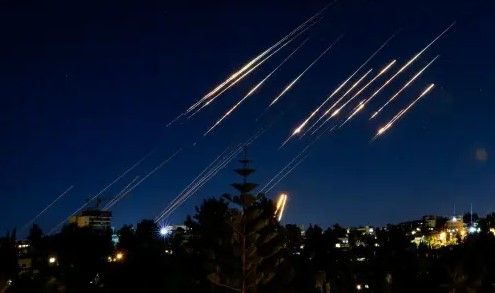
MASHHAD/WASHINGTON/TEHRAN (MNN); The fragile ceasefire between the United States and Iran has moved closer to collapse as both sides exchanged fresh military action, while Israel warned it was prepared to launch even more powerful strikes if necessary, significantly heightening fears of a broader regional conflict.

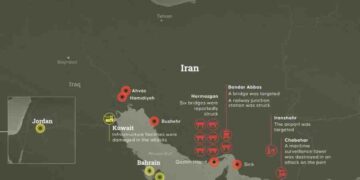
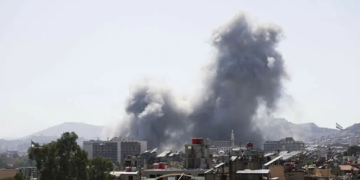
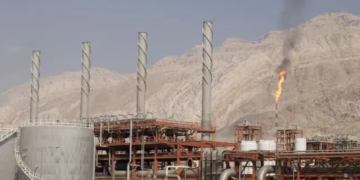
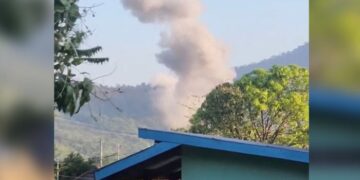
Fresh explosions were reported across southern Iran, including Bushehr, Choghadak, Bandar Abbas, Chabahar and nearby coastal areas overlooking the Strait of Hormuz. Iranian media reported that several military sites were targeted, although officials did not immediately provide a complete assessment of casualties or damage.
While reports of explosions fuelled speculation about another round of American attacks, a senior US official told media outlets that the United States had not conducted any new military strikes in Iran during the previous several hours, creating uncertainty over the exact cause of the blasts.
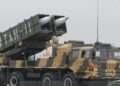
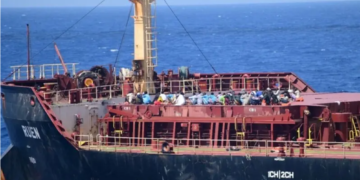
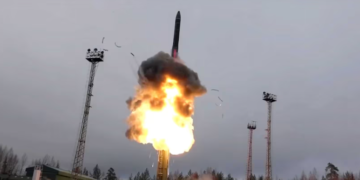
However, US Central Command (CENTCOM) had earlier confirmed that American forces carried out a large-scale operation targeting dozens of Iranian military facilities, including missile launch sites, radar installations, air defence systems and anti-ship capabilities. Washington said the strikes were intended to degrade Iran’s ability to threaten commercial shipping through the Strait of Hormuz following recent attacks on international vessels.
Iran responded with another wave of missile attacks against US military assets across the region.
According to the Islamic Revolutionary Guard Corps (IRGC), 10 ballistic missiles were fired at Al Azraq Air Base in Jordan, which Tehran described as a major American command and operational centre. Iranian military officials claimed the strike formed part of the “second phase” of retaliation against recent US attacks.
Jordanian authorities have not publicly confirmed the extent of any damage, while independent verification of Iran’s battlefield claims remains unavailable.
Iranian state media also reported that three IRGC personnel were killed during recent US strikes, describing them as “martyrs” who died defending the country’s sovereignty.
Meanwhile, Iran’s Fars News Agency reported that US aircraft bombed a strategically significant railway bridge in northern Iran that forms part of transport links connecting the country with China and Russia. If confirmed, analysts say such strikes could have broader implications for regional logistics and trade routes beyond the immediate battlefield.
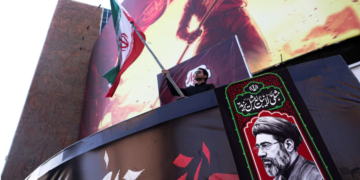
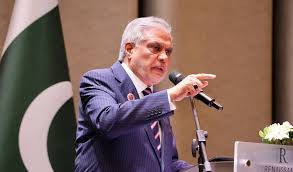
Iranian Foreign Minister Abbas Araghchi strongly condemned the latest US military operations, warning Washington against what he described as further military “adventurism.”
He said continued attacks would invite a stronger Iranian response and further destabilise the Middle East at a time when diplomatic efforts were already under severe strain.
On the Israeli side, Defence Minister Israel Katz declared that Israel remained fully prepared to strike Iran again if necessary.
“We are ready to attack Iran with even greater force,” Katz said, reiterating that Israel would not tolerate any threats to its national security.
The renewed hostilities come only weeks after both sides had announced an interim framework intended to halt fighting following months of conflict.
That agreement has rapidly deteriorated after attacks on commercial shipping in the Strait of Hormuz, renewed American air operations and Iranian retaliatory missile launches targeting US military installations across the Gulf region.
The Strait of Hormuz remains at the centre of the confrontation, with Iran repeatedly warning that further attacks on its territory could lead to severe restrictions on maritime traffic through one of the world’s busiest oil transit routes.
Energy analysts continue to warn that any prolonged disruption could significantly affect global oil supplies, shipping costs and international financial markets.
The United Nations and several regional governments have renewed calls for restraint amid growing fears that continued military exchanges could push the Middle East into another prolonged regional war.