



























































TEHRAN/ISLAMABAD (MNN); Iran has warned that any attempt to bypass the agreed shipping arrangements in the Strait of Hormuz would further destabilise the Middle East, as fresh military exchanges between Tehran and Washington raised doubts over the future of a fragile Pakistan-mediated ceasefire.

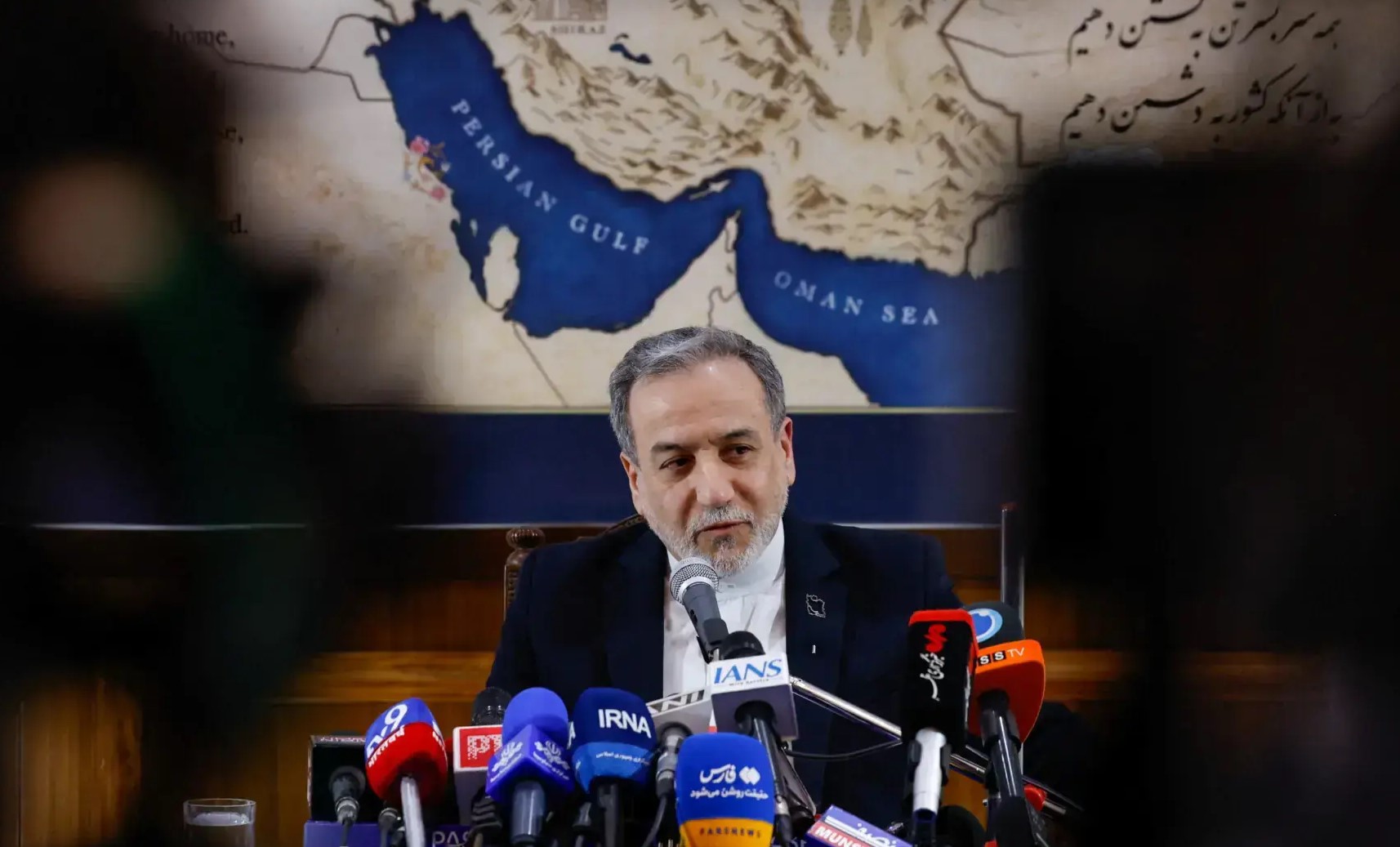
Iranian Foreign Minister Abbas Araghchi issued the warning during a joint press conference in Baghdad on Sunday, saying any new maritime corridor established without Tehran’s approval would complicate efforts to fully reopen the Strait of Hormuz and increase regional tensions.
His remarks came shortly after the United States launched fresh airstrikes on multiple military targets inside Iran, claiming the operation was carried out in response to a new Iranian attack on a commercial vessel transiting the strategic waterway. Iran, in turn, announced retaliatory strikes on American military facilities in Bahrain and Kuwait, further escalating the crisis.
The latest exchange has placed renewed pressure on the Islamabad Memorandum of Understanding (MoU), brokered by Pakistan on June 18, which was intended to halt hostilities between Iran and the United States after months of conflict that severely disrupted maritime trade and global energy markets.
Speaking in Baghdad, Araghchi urged all parties to respect the terms of the agreement and avoid actions that could derail ongoing diplomatic efforts. He stressed that the memorandum remained the only viable framework for restoring stability and ensuring safe navigation through the Strait of Hormuz.
The Iranian foreign minister also called for the creation of a new regional security mechanism involving Gulf states, Iran and Iraq, without the involvement of outside powers. He said long-term peace could only be achieved through cooperation among countries in the region rather than foreign military intervention.
His proposal echoed recent remarks by Iranian President Masoud Pezeshkian, who advocated establishing a comprehensive regional security structure to safeguard peace and maritime security in the Gulf.
Iran welcomed Iraq’s proposal to convene a meeting involving Gulf Cooperation Council (GCC) states, Iran and Iraq to discuss future regional security arrangements following the recent conflict.
Meanwhile, Iran’s Islamic Revolutionary Guard Corps (IRGC) announced that it had intensified control over maritime traffic in the Strait of Hormuz and warned that vessels using unauthorised routes would face strict action.
According to the IRGC, the only recognised navigation corridor is the one running close to Iran’s coastline. Iranian officials objected to an alternative route reportedly announced by Oman and the International Maritime Organization (IMO), arguing that Tehran had not been consulted before its introduction.
Under the Pakistan-mediated MoU, Iran had agreed to allow commercial vessels safe and free passage through the Strait of Hormuz for sixty days without imposing transit charges. The agreement also committed both Iran and the United States, along with their allies, to refrain from military action and the use or threat of force against each other.
However, both sides have since accused one another of violating the ceasefire.
US Central Command (CENTCOM) stated that its latest military operation targeted Iranian surveillance systems, air defence installations, drone storage sites, communications infrastructure and naval mine deployment capabilities. According to Washington, the strikes were launched after an Iranian drone allegedly attacked the Panama-flagged oil tanker Kiku, which was carrying approximately two million barrels of crude oil.
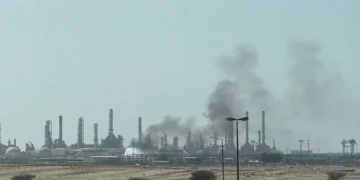
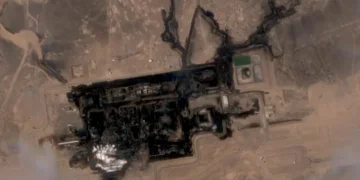
Iranian state media reported explosions near the southern coastal city of Sirik following the American attacks, while the IRGC dismissed the strikes as ineffective, saying they would not weaken Iran’s control over the Strait of Hormuz.
The Revolutionary Guards further accused Washington of violating the ceasefire agreement and warned that continued military operations would completely halt diplomatic negotiations. The IRGC also threatened that American military bases across the region would face severe consequences if attacks continued.
Iran later announced retaliatory missile strikes against US military facilities in Kuwait and Bahrain. The IRGC claimed to have targeted several key installations, including Ali Al Salem Air Base in Kuwait and the US Navy’s Fifth Fleet headquarters in Bahrain.
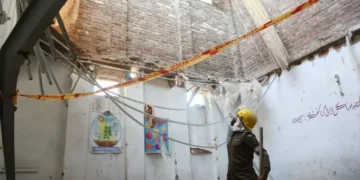
Authorities in Bahrain confirmed that air raid sirens sounded twice during the day. Officials later reported that one Iranian strike damaged a residential building in Muharraq province, although no casualties were recorded.
The Bahraini government condemned the attack and called on the United Nations Security Council to hold an emergency session to address what it described as Iranian aggression against the Kingdom.
Kuwaiti military officials stated that air defence systems intercepted two incoming ballistic missiles before they reached their intended targets. No casualties or infrastructure damage were reported.
A senior US official confirmed that American military installations had come under attack but said there were no reported casualties among US personnel, adding that military assessments were still ongoing.
The latest escalation follows similar US strikes conducted on Friday, which Washington said were retaliation for an earlier Iranian attack on another commercial vessel, the Ever Lovely, in the Strait of Hormuz.
US President Donald Trump also issued a strong warning to Tehran, saying Iran would face devastating consequences if hostilities resumed. In a post on his Truth Social platform, Trump said the United States had targeted Iranian missile depots, drone facilities and coastal radar systems after Tehran allegedly violated the ceasefire.
He warned that while Washington preferred diplomacy, any further aggression could force the United States to resume full-scale military operations, adding that such a conflict could threaten the future of the Islamic Republic.
Diplomatic observers believe the coming days will be critical for the future of the Pakistan-brokered ceasefire. With both sides continuing to exchange accusations and military strikes, concerns are growing that the fragile truce could collapse, posing serious risks to regional stability, international shipping and global energy supplies.