







































































Washington: The United States has maintained an unusually muted response after China introduced new trade regulations that could significantly undermine efforts by American businesses to reduce reliance on Chinese supply chains.

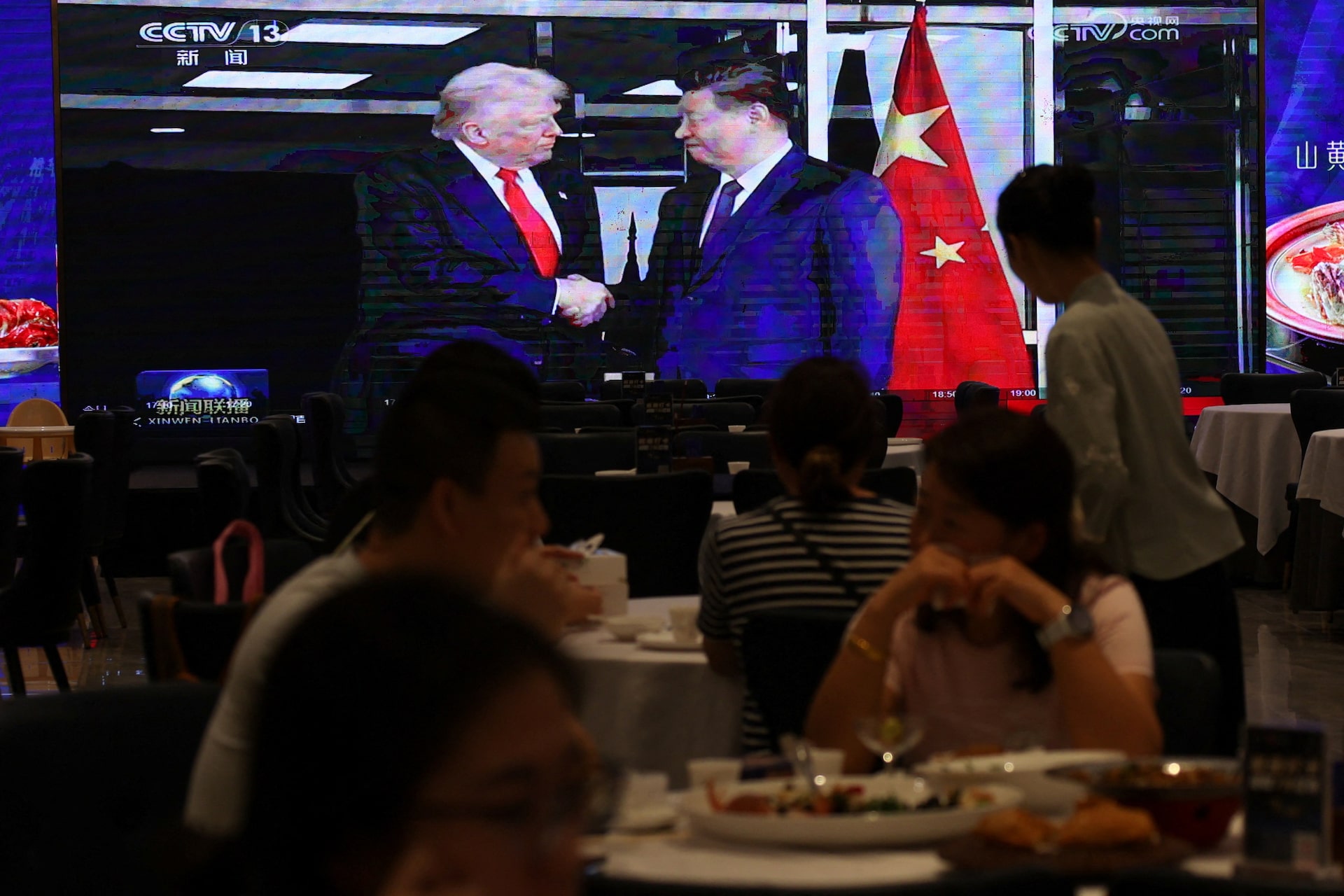
The measures, announced just weeks before a scheduled May 14–15 summit between U.S. President Donald Trump and Chinese President Xi Jinping, are widely viewed by analysts as a strategic move by Beijing to counter Washington’s “de-risking” agenda. The U.S. has been encouraging companies to diversify sourcing and regain control over key sectors such as critical minerals and pharmaceuticals.
China’s new rules, however, establish a legal framework that could penalize foreign firms attempting to shift operations away from Chinese markets. Industry experts warn this may force companies to reconsider plans to relocate supply chains, effectively pulling them back toward dependence on China.
Despite growing concern among U.S. businesses and policy circles, the Trump administration has so far refrained from publicly criticizing Beijing’s actions. Observers suggest this silence may reflect a calculated effort to avoid escalating tensions ahead of the high-stakes summit.
A U.S. official, speaking anonymously, indicated that the timing of China’s announcement could be a test of Washington’s commitment to maintaining the fragile pause in the ongoing trade conflict. “It’s a clear attempt to stop de-risking,” the official noted. Business groups have raised alarms over the potential impact of the regulations. The American Chamber of Commerce in China warned that Beijing could reduce purchases from foreign companies with minimal consequences, while also launching investigations into firms that cut back their reliance on Chinese suppliers.
Analysts argue that Washington’s lack of immediate response risks sending a signal of weakness. However, others believe the administration is prioritizing diplomatic stability as both sides prepare for crucial negotiations.
In contrast to earlier confrontations marked by aggressive tariff threats and export restrictions, the current approach suggests a shift toward cautious engagement. Previously, the U.S. had considered imposing sweeping tariffs and restricting software exports in response to China’s controls over critical mineral supplies.
As the summit approaches, the global business community will be watching closely to see whether this restrained posture evolves into a firmer stance—or signals a broader recalibration of U.S.-China trade strategy.