



































































Asian markets showed mixed performance on Wednesday as oil prices edged higher amid stalled negotiations between the United States and Iran, raising concerns over prolonged geopolitical tensions and energy supply disruptions.

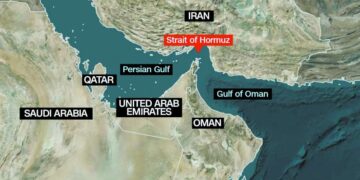
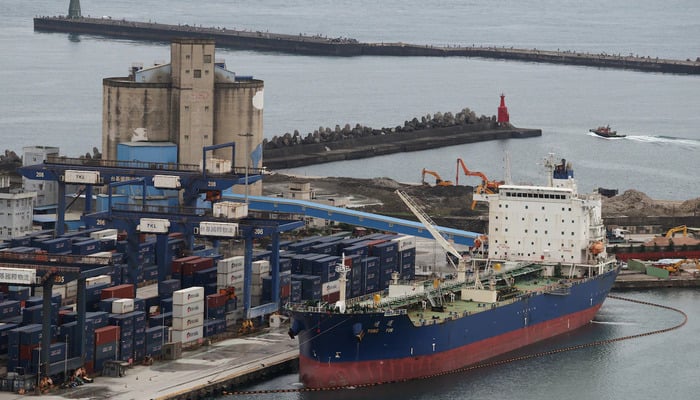
Investor sentiment remained cautious as efforts to end the conflict appeared to lose momentum, with the strategically vital Strait of Hormuz still not reopened. The White House indicated that Donald Trump and his team were reviewing Tehran’s latest proposal, though reports suggested the US president remained skeptical. Iran recently submitted a plan aimed at easing restrictions on maritime traffic through the Strait, contingent on Washington lifting its retaliatory blockade on Iranian ports. The proposal is also linked to ongoing discussions surrounding Tehran’s nuclear program.
Marco Rubio, the US Secretary of State, described Iran’s proposal as “better than expected” but stressed that any agreement must ensure Iran cannot rapidly develop nuclear weapons. Meanwhile, Iranian defence ministry spokesman Reza Talaei-Nik criticized US demands, stating Washington could no longer impose its policies on sovereign nations.
Regional stakeholders also voiced concern. Qatar warned that failure to reach a resolution could result in a prolonged “frozen conflict,” further destabilizing the region. Oil markets reacted to the uncertainty, with prices climbing for over a week. Brent crude oil hovered around $112 per barrel—above pre-ceasefire levels—while West Texas Intermediate crossed $100 for the first time in two weeks before stabilizing slightly higher on Wednesday.
Analysts noted that prolonged delays in negotiations could intensify pressure on global supply chains. Market strategist Stephen Innes highlighted that continued uncertainty may lead to storage constraints, production risks, and broader systemic strain. In a separate development, the United Arab Emirates announced its decision to withdraw from the OPEC and OPEC+ alliances, describing the move as strategic, though it had limited immediate market impact.
Despite the tensions, reports suggested both sides were not as far apart as perceived. Ongoing diplomacy is reportedly focused on a phased agreement, starting with restoring conditions to pre-conflict levels and reopening the Strait, with nuclear negotiations to follow.
Stock markets across Asia reflected the uncertainty. Gains were recorded in Hong Kong, Shanghai, Jakarta, and Manila, while declines were seen in Sydney, Singapore, Seoul, and Taipei. Wall Street provided a weak lead, particularly in the tech sector. The Nasdaq Composite fell amid reports that OpenAI had missed user growth and revenue targets. Investors are now closely watching upcoming earnings reports from major tech firms including Amazon, Google, Meta, and Microsoft.
Attention is also turning to the Federal Reserve, which is set to conclude its policy meeting later in the day, with markets awaiting signals on inflation and interest rate direction as energy prices continue to rise.