


















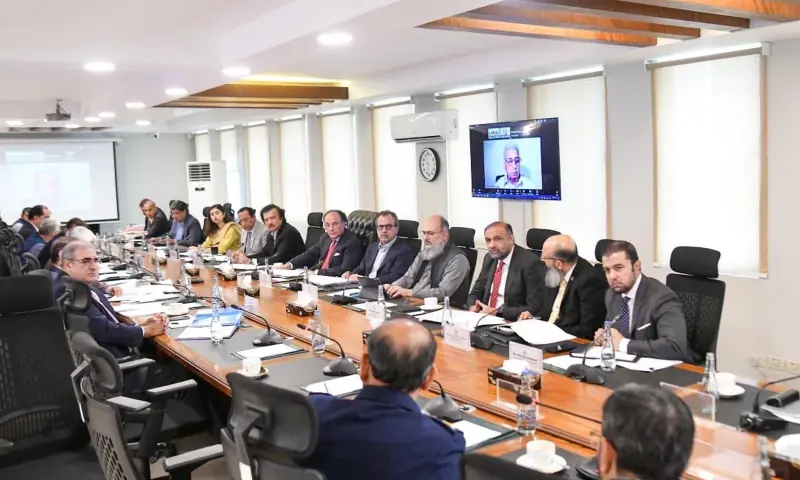
ISLAMABAD: Economic Coordination Committee (ECC) has approved the export of donkey meat and hides to China through Gwadar Port, marking a new step in Pakistan’s livestock trade policy.

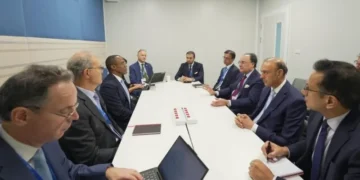
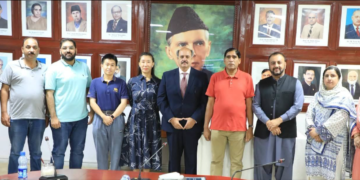
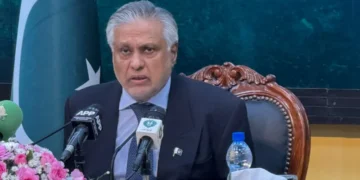
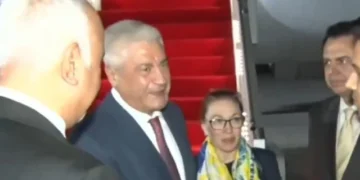
The decision was taken during a meeting chaired by Finance Minister Muhammad Aurangzeb on Monday. The approval followed a summary presented by the Food Security Division, allowing the disposal of existing stock in line with agreed export protocols.
During the session, the chief economist briefed participants on key economic indicators, highlighting a noticeable easing in inflationary pressures. Officials observed that prices of essential commodities are declining and overall trends indicate gradual economic stabilisation after recent volatility. Weekly data also suggested that while there had been a temporary spike, the pace of price increases has slowed significantly.
The ECC also approved several technical supplementary grants (TSGs) across ministries. These included Rs100 million for the Cannabis Control and Regulatory Authority (CCRA) to upgrade its facilities, Rs311 million for the Government of Balochistan to support incentives for federal officers, and Rs372 million for the National Accountability Bureau (NAB) to advance digital transformation and AI-based systems. Additionally, Rs30 million was allocated to the Ministry of Inter-Provincial Coordination to reward the national hockey team following its qualification for the World Cup.
Another key agenda item included financial support for Pakistan International Airlines (PIA). The ECC approved Rs5.98 billion for the PIA Holding Company to settle liabilities, including pension, medical reimbursements, and salary payments.
In line with international obligations, the ECC also endorsed amendments proposed by the Commerce Division to the Import Policy Order. The changes introduce a ban on the import of goods produced through forced labour, aligning Pakistan’s trade policies with global labour standards.
The meeting reflects the government’s dual focus on economic stabilisation and compliance with international trade and labour commitments.