






















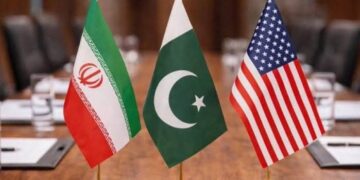































WASHINGTON / TEHRAN: As fighting between the United States and Iran subsided, diplomatic sources in Washington said Pakistan and several other countries played an important role in mediation efforts that helped bring the latest round of US airstrikes to a halt and reopened space for diplomacy.

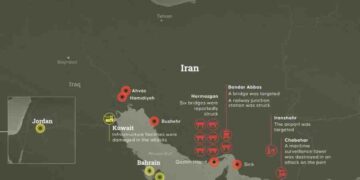
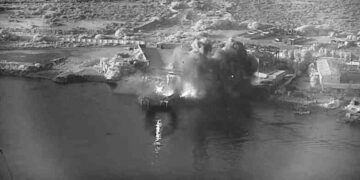
The Pentagon suspended its bombing campaign late Friday after carrying out airstrikes on Iran for 13 consecutive nights. No US attacks were reported on Saturday or Sunday.
Iran also refrained from launching retaliatory strikes for two days after previously responding each night to US attacks by targeting neighbouring countries hosting American military bases.
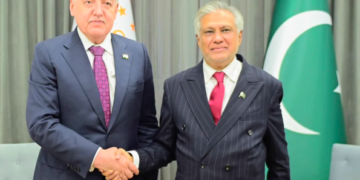
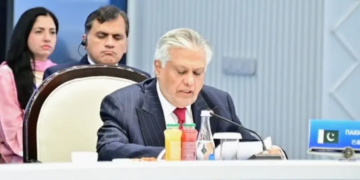
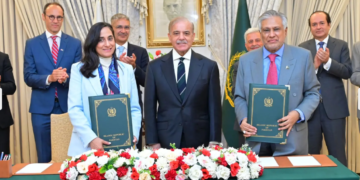
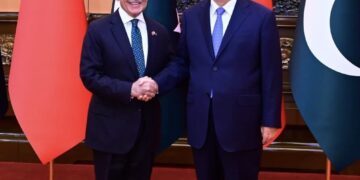
According to diplomatic sources, Pakistan maintained communication with Tehran, Washington, Riyadh and Beijing throughout the US bombing campaign, helping preserve diplomatic channels during a period of heightened tensions.
The sources said Islamabad continued engaging at multiple levels through contacts between senior officials, diplomatic counterparts and policymakers in Washington, while consistently maintaining that dialogue remained the only viable way to end the conflict.
Regional diplomatic efforts continued over the weekend. Turkish media reported that Foreign Minister Hakan Fidan held discussions with several regional leaders, including Chief of Army Staff Field Marshal Asim Munir.
Turkey’s Anadolu News Agency, citing diplomatic sources, said Fidan discussed negotiations between Tehran and Washington during separate conversations with Qatari Prime Minister and Foreign Minister Mohammed bin Abdulrahman Al Thani and Pakistan’s army chief.
According to Anadolu, Pakistan and Qatar have stepped up efforts to relay messages between Washington and Tehran after both sides communicated their responses to a proposed framework aimed at ending the months-long conflict.
The diplomatic momentum was echoed by US Ambassador to the United Nations Mike Waltz, who told Fox News that President Donald Trump had paused military operations to allow diplomacy to move forward.
While stressing that US forces remained “locked and loaded”, Waltz said Trump was “giving talks some space… a little bit of room”.
Meanwhile, US media outlets reported that Trump halted the bombing campaign after senior military and civilian officials advised against further escalation of the conflict that began alongside Israel in February.
CNN and The New York Times reported that Pentagon Chief of Staff Dan Caine warned that US stocks of Patriot air defence missiles, used to protect American bases in the Middle East, were being depleted. CNN also reported that Vice President JD Vance had raised concerns about expanding the campaign.
According to The New York Times, plans to intensify military operations were shelved partly because of dwindling missile supplies, as well as concerns over the risk of a wider regional war, strained relations with Gulf allies and further disruption to the global economy.
Axios separately reported that Admiral Brad Cooper, the commander of US forces in the Middle East, recommended ending the bombing campaign after concluding it had reached the limits of its effectiveness.
Before Friday’s pause, US forces had carried out strikes for 13 consecutive nights, marking the most intense escalation since the April ceasefire in the nearly five-month conflict. However, no attacks have been reported over the past two nights.
“These attacks continued until two nights ago, but over the past two nights the Americans have stopped their attacks,” said Iran’s army spokesman Mohammad Akraminia. “Since… our strategy has essentially been retaliatory, we have also halted our retaliatory operations.”
Separately, unconfirmed Iranian media reports on Sunday claimed that an oil tanker had been damaged by a sea mine.