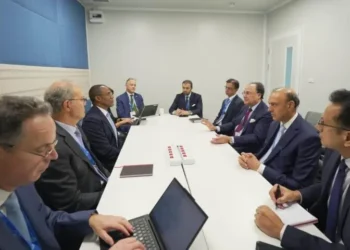
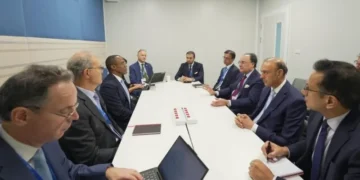



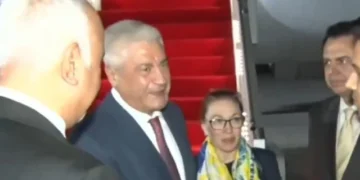









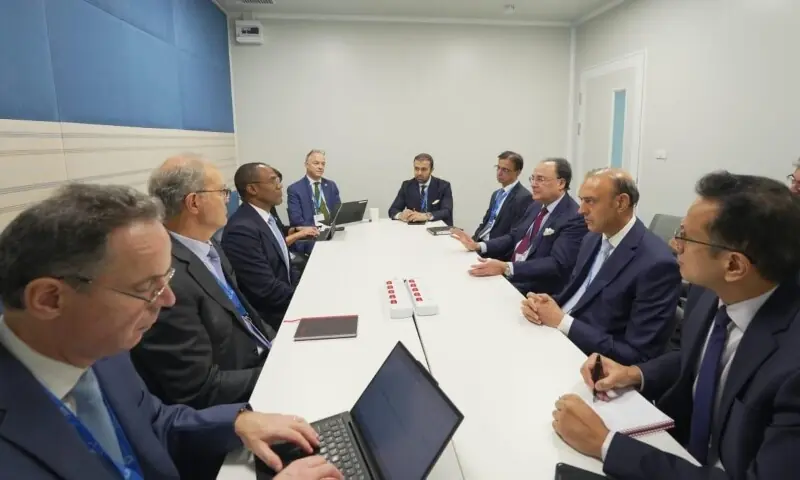
BANGKOK (MNN); Finance Minister Muhammad Aurangzeb met International Monetary Fund (IMF) Deputy Managing Director Nigel Clarke in Bangkok on Wednesday to discuss Pakistan’s economic progress, reform priorities and targeted fuel subsidies aimed at protecting vulnerable segments of society.

According to a statement issued by the Finance Ministry, Aurangzeb outlined the government’s targeted fuel subsidy measures to support low-income groups and maintain social cohesion amid rising global energy prices.
The government has introduced a fuel subsidy scheme for motorcycles, auto-rickshaws and vehicles with engine capacities of up to 800cc. Prime Minister Shehbaz Sharif subsequently directed that motorcycles and rickshaws, including Qingqi rickshaws up to 20 years old, should also qualify for the programme.
Pakistan remains engaged with the IMF under a $7 billion Extended Fund Facility (EFF) and a $1.4 billion Resilience and Sustainability Facility (RSF). Earlier this month, the two sides reached a staff-level agreement following the fourth review of the EFF and the third review of the RSF, paving the way for Pakistan to receive approximately $1.2 billion in funding, subject to the required approvals.
The meeting between Aurangzeb and Clarke took place on the sidelines of the 2026 World Bank Group-IMF Annual Meetings.
The finance minister appreciated the IMF’s continued partnership and stressed the importance of strong political ownership and sustained implementation of economic reforms.
He also highlighted Pakistan’s return to international capital markets and strong investor participation, alongside improved foreign exchange reserves, three consecutive years of primary budget surpluses and a declining debt-to-GDP ratio, the ministry said.
Aurangzeb also acknowledged Clarke’s emphasis on maintaining adequate reserve buffers and strengthening revenue collection to support investment in human capital, infrastructure and public services.
The discussions covered sustainable economic growth, policy consistency and the need to protect health and education spending while maintaining fiscal discipline.
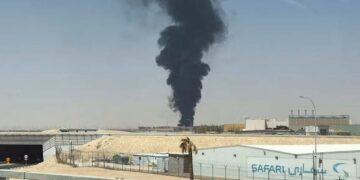
Earlier on Tuesday, the IMF had called on countries to provide narrowly targeted subsidies in response to the global energy crisis linked to the US-Israeli war on Iran.
Aurangzeb Discusses Fuel Supplies, Trade with US Official
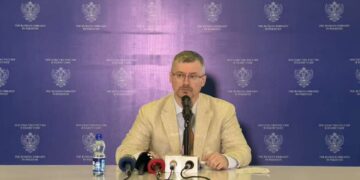
In a separate meeting, Aurangzeb held talks with US State Department Ambassador Hugo Yon on bilateral economic cooperation, energy diversification and trade.
According to the Finance Ministry, the two sides reviewed progress towards a trade framework agreement and discussed expanding energy imports from the United States. Aurangzeb also outlined measures to maintain fuel supplies and provide relief to vulnerable consumers.
The discussions covered anti-money laundering and counter-terrorism financing arrangements, follow-up measures related to the Financial Action Task Force (FATF), and investment financing opportunities through the US Development Finance Corporation and Export-Import Bank.
Aurangzeb also highlighted the Reko Diq project, cooperation in critical minerals, project security and opportunities to attract private investment.
Other issues included the acquisition and financing of Boeing aircraft, aviation clearances, digital asset regulation, and potential applications involving remittances and the tokenisation of Eurobonds, the statement added.