
















































By Aslam Dogar

Pakistan emerges as key diplomatic bridge as Trump, Munir and Oman intensify Iran engagement
Pakistan is emerging as an increasingly important intermediary between the United States and Iran, with a series of high-level diplomatic and security contacts pointing to a renewed regional effort to bring Tehran back to negotiations.
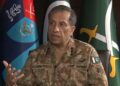
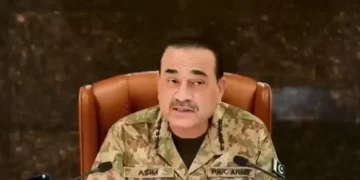
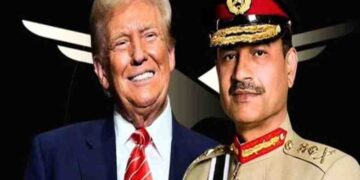
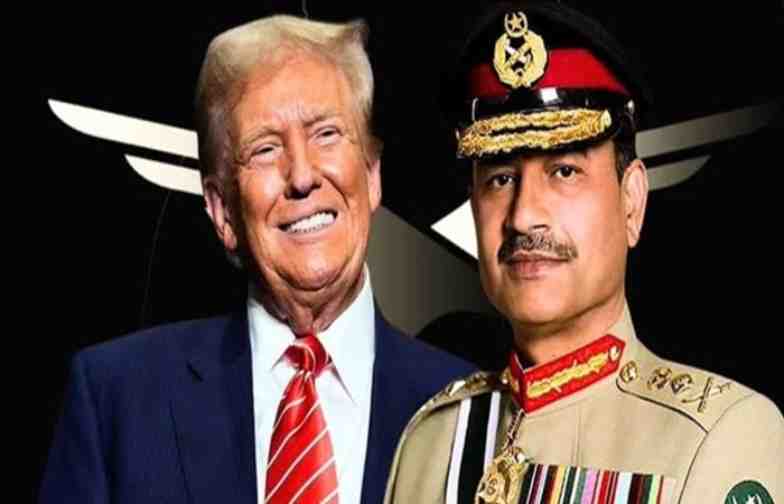
The most significant development is the disclosure by Reuters that U.S. President Donald Trump spoke with Pakistan’s army chief Field Marshal Asim Munir last week, ahead of Munir’s visit to Tehran. According to three Pakistani sources cited by Reuters, Trump’s principal request was for Pakistan to use its influence to persuade Iran to return to negotiations.
The significance of the call lies in its timing. Munir arrived in Tehran on Monday as Pakistan continues its mediation between Washington and Tehran. Iran’s Foreign Ministry said the visit was aimed at advancing efforts for regional peace and security.
Trump’s message gives Munir’s Tehran visit added significance
The Trump-Munir conversation suggests that Washington sees Pakistan not simply as a neighbouring country with influence in Iran, but as a potential channel for communication with Tehran at a time when direct U.S.-Iran engagement remains deeply strained.
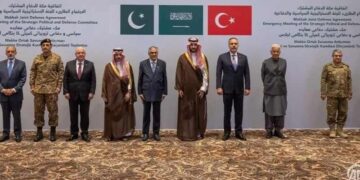
Reuters reports that Munir is expected to meet people close to Iran’s Supreme Leader, while discussions are likely to include the stalled U.S.-Iran negotiations, regional security, the Houthis and the Pakistan-Türkiye-Saudi Arabia defence arrangement.
This gives Munir’s mission a broader dimension than conventional Pakistan-Iran military diplomacy. He appears to be carrying a message that is important to Washington while simultaneously trying to understand Tehran’s position.
Oman opens another channel to Tehran
The timing of Oman’s diplomatic engagement is equally important.
Omani Foreign Minister Sayyid Badr Albusaidi is scheduled to visit Tehran on Tuesday, immediately after Munir’s visit, with discussions expected to focus on the strategic Strait of Hormuz. Iran’s Foreign Ministry confirmed the visit.
Oman has long maintained close diplomatic channels with Iran and has traditionally been regarded as one of the most useful intermediaries between Tehran and Washington.
The parallel Pakistani and Omani initiatives therefore create two important regional channels into Tehran—Pakistan through its political, military and security relationships, and Oman through its established diplomatic back channel.
Pakistan is talking to both sides of the Gulf divide
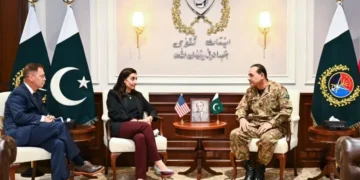
Another significant piece of the picture is the simultaneous engagement of Pakistan’s National Security Adviser and ISI Director General Lieutenant General Muhammad Asim Malik with Gulf leadership.
Malik met Bahrain’s Crown Prince and Prime Minister Salman bin Hamad Al Khalifa to discuss regional and international developments and bilateral cooperation.
This is important because Islamabad is effectively engaging three different sides of the crisis at the same time:
- Washington, through the Trump-Munir contact;
- Tehran, through Munir’s visit;
- Gulf Arab states, through the NSA/ISI chief’s consultations.
That suggests Pakistan is attempting to preserve its credibility with all sides rather than align exclusively with either Washington or Tehran.
Why this matters now
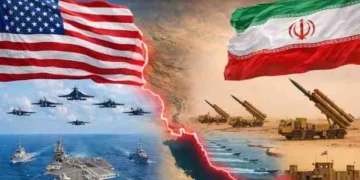
The urgency is being driven by the escalating dispute over Iran and the Strait of Hormuz. Washington is preparing major economic pressure on Iran, while Tehran has threatened measures affecting Gulf oil exports and shipping. Reuters describes the current situation as a rapidly escalating confrontation in which Pakistan is attempting to mediate.
For Pakistan, the stakes are particularly high. A prolonged disruption in the Strait would have consequences for energy prices, shipping and inflation across the region, while any wider Iran-Gulf confrontation would directly affect Pakistan’s security and economic interests.
The emerging diplomatic architecture
The sequence of events points toward a potentially significant regional diplomatic architecture:
Trump → Munir → Tehran
alongside
Oman → Tehran
and
Pakistan → Gulf capitals.
The importance of Pakistan’s role is therefore not simply that Islamabad has offered to mediate. The Trump-Munir conversation indicates that Washington itself may now be relying on Pakistan to communicate with Tehran.
At the same time, Islamabad’s engagement with Bahrain and other Gulf partners suggests it is trying to ensure that any diplomatic initiative does not come at the expense of its relationships with Arab states.
The immediate objective appears to be getting Iran back to the negotiating table and preventing the Strait of Hormuz confrontation from escalating further.
But there is a larger strategic implication: Pakistan may be developing into one of the few regional actors capable of speaking simultaneously to Washington, Tehran and the Gulf monarchies.
That puts Islamabad in a potentially influential—but extremely delicate—position. Its success will depend on whether it can convince Iran that negotiations offer a viable alternative while also convincing Washington and its Gulf partners that engagement with Tehran can produce concrete results.
In short, Munir’s Tehran visit should not be viewed in isolation. Taken together with Trump’s reported call to Munir, Oman’s imminent Tehran visit and the Pakistani NSA/ISI chief’s Gulf diplomacy, the developments suggest a coordinated regional push to reopen the Iran-U.S. diplomatic track before the confrontation over Iran and the Strait of Hormuz becomes even more difficult to contain.