













































RAWALPINDI (MNN); The army’s top commanders have stressed the importance of internal stability and warned that any attempt to create violent agitation or a situation similar to May 9 would be dealt with decisively and in accordance with the law.

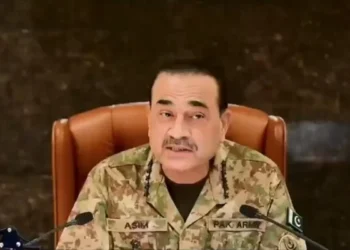
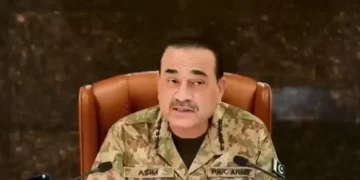
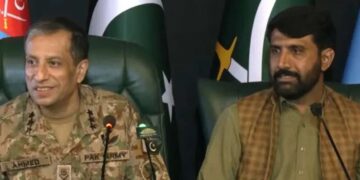
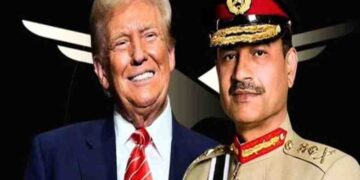
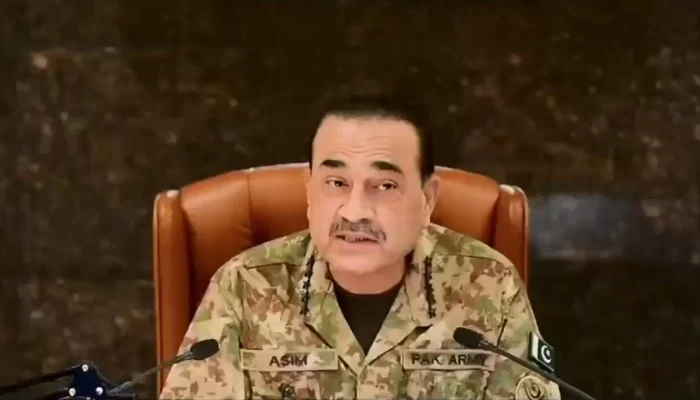
The warning was issued during the 277th Corps Commanders’ Conference held in Rawalpindi on Friday under the chairmanship of Chief of Defence Forces and Chief of Army Staff Field Marshal Syed Asim Munir. According to the military’s media wing, Inter-Services Public Relations (ISPR), the forum resolved that any attempt to create unrest “on any pretext whatsoever” would be dealt with “decisive force and rule of law, without hesitation and discrimination.”
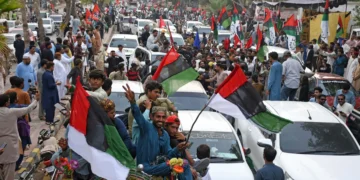
The development comes ahead of the Pakistan Tehreek-i-Insaf’s planned October 4 march towards Islamabad, which the party says is aimed at demanding the release of its founder and former prime minister Imran Khan. The march was initially scheduled for September 27 and was later postponed to October 4.
On Friday, representatives of the government and opposition held the first round of talks concerning the proposed march and agreed to resume discussions on Saturday.
The military’s reference to May 9 relates to the unrest that followed Imran Khan’s arrest on May 9, 2023, when government and military installations were attacked in several parts of the country.
Targeted action against terrorism from Afghanistan
The Corps Commanders’ Conference also reviewed the country’s security situation and reaffirmed the need for a high state of operational readiness.
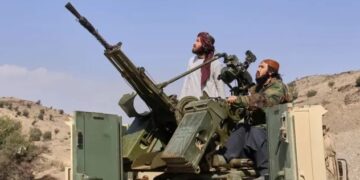
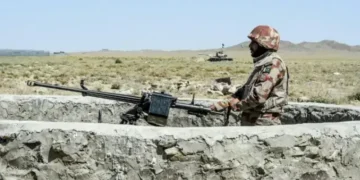
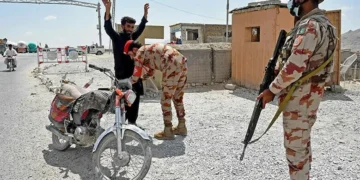
The forum appreciated continuing intelligence-based counter-terrorism operations by law-enforcement agencies and said Pakistan had the right to undertake targeted action against terrorism emanating from Afghanistan.
According to ISPR, the forum held the Taliban leadership responsible for the consequences of terrorism allegedly facilitated from Afghan territory on behalf of India. The statement represents the Pakistani military’s position on the issue.
The commanders stressed that counter-terrorism efforts must combine kinetic operations with administrative and governance measures, including people-centred governance at the grassroots level, effective engagement with the public, dismantling the “terror-crime nexus” and strengthening police capacity.
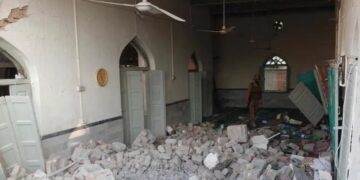
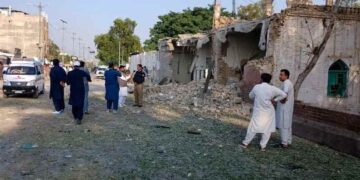
Pakistan has carried out several strikes against alleged militant hideouts in Afghanistan since September 21 following terrorist incidents in Khyber Pakhtunkhwa, according to reports cited in the supplied material.
Saudi Arabia, Makkah Defence Agreement
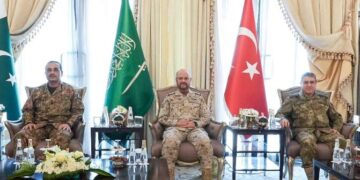
The forum welcomed the Makkah Joint Defence Agreement between Pakistan, Saudi Arabia and Türkiye, describing it as an important development in longstanding strategic and collective defence relations.
The commanders strongly condemned Houthi attacks against Saudi Arabia, expressed solidarity with the Kingdom and reaffirmed Pakistan’s commitment to the security and sanctity of the Haramain Sharifain.
The conference also reiterated Pakistan’s position that the Kashmir dispute should be resolved in accordance with relevant UN Security Council resolutions and the aspirations of the Kashmiri people.
Modernisation and intelligence operations
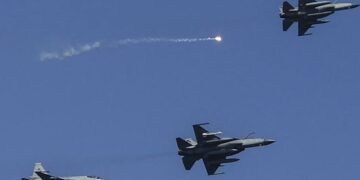
In his concluding remarks, Field Marshal Asim Munir directed formations to continue strengthening intelligence-based operations and enhance combat capabilities through modern technology, training and integration across multiple domains.
The army chief expressed confidence that the armed forces, with the support of the nation, remain fully prepared to safeguard Pakistan’s sovereignty, territorial integrity and national security.
The conference also offered prayers for the martyrs of the armed forces, law-enforcement agencies and civilians and paid tribute to their sacrifices.