
















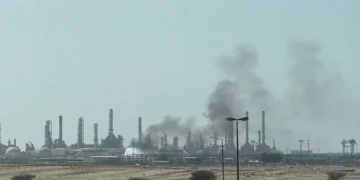







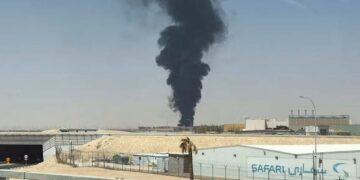































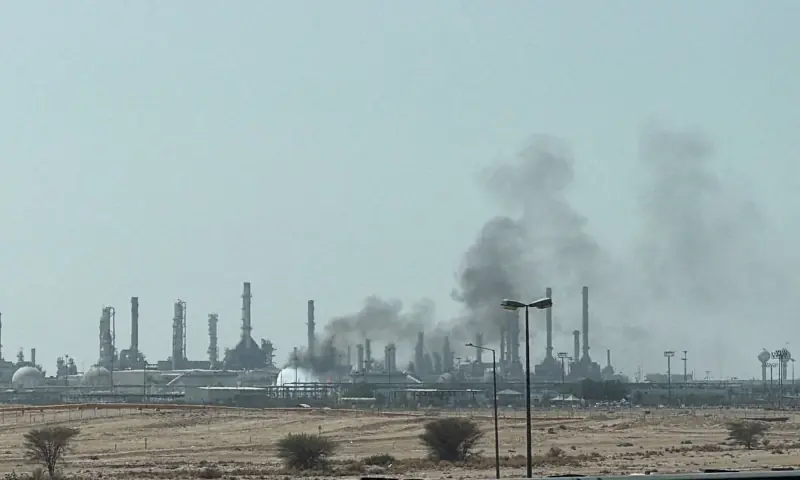
SANA/RIYADH (MNN); Yemen’s Houthi rebels on Wednesday claimed responsibility for attacks targeting Saudi Aramco facilities, as Saudi Arabia reported a strike on an Aramco building in Dhahran and explosions were heard across the capital, Riyadh.

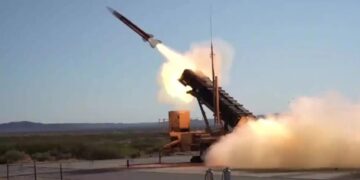
The Saudi-led coalition fighting the Houthis said it had intercepted a missile fired towards Riyadh, while residents received mobile phone alerts warning of an aerial threat and advising them to seek shelter. The alert was lifted a few minutes later.
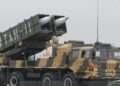
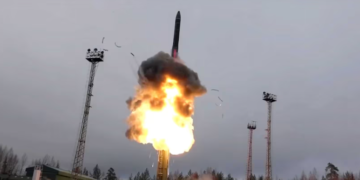
Houthi military spokesman Yahya Saree said the group had conducted what he described as a “high-quality military operation” targeting Aramco in Dhahran, Riyadh airport and a refinery in the Saudi capital. He claimed the attacks involved ballistic missiles, cruise missiles and drones, warning that further operations against Saudi airports and oil facilities would follow in the coming days.
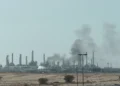
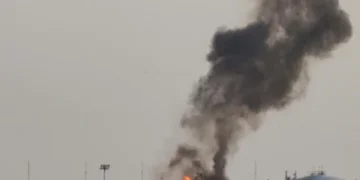
A Saudi energy ministry official earlier confirmed that an Aramco building in Dhahran had been struck, causing a limited fire but no casualties. Dhahran houses Aramco’s headquarters and an extensive complex of offices and residential compounds.
The latest attacks mark a further escalation in hostilities between Saudi Arabia and the Houthis. Saudi Arabia has faced repeated attacks in recent days and has retaliated with strikes against Houthi strongholds in Yemen’s capital, Sanaa.
Saudi-led coalition strikes Yemen
Meanwhile, the Saudi-led coalition carried out strikes against oil facilities in western Yemen. Coalition spokesman Turki Al-Malki said the targets were being used to support Houthi operations threatening Saudi Arabia, Yemen, the southern Red Sea and regional waterways.
Explosions were reported in Sanaa, while Houthi-affiliated Al-Masirah television reported that an oil company had been targeted. Fearing fuel shortages, residents in Houthi-controlled areas of the Yemeni capital reportedly queued outside petrol stations.
The coalition has supported Yemen’s internationally recognised government against the Houthis since 2015, during a prolonged civil war that has triggered a severe humanitarian crisis.
Regional security concerns grow
The escalation follows a reported attack on Riyadh’s international airport on Saturday that, according to the supplied report, killed 13 people, marking the deadliest attack on Saudi Arabia since 2015.
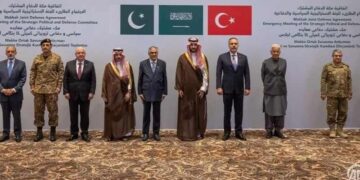
Saudi Arabia’s cabinet, chaired by Crown Prince Mohammed bin Salman, has vowed to protect the kingdom’s security and freedom of navigation in the Red Sea and the Bab al-Mandab Strait.
Several countries have issued travel advisories for their citizens in Saudi Arabia. France on Tuesday advised its nationals to avoid Riyadh, Jeddah and Dammam airports. Riyadh has also seen lighter traffic as schools shifted to remote learning and some companies introduced work-from-home arrangements.
The conflict is adding to economic pressure on the kingdom. The International Monetary Fund has forecast a 3.3 per cent contraction in Saudi Arabia’s gross domestic product this year, amid wider regional economic disruption linked to Iran’s blockade of the Strait of Hormuz.
The renewed fighting in Yemen, which intensified in July after a prolonged lull, has increasingly brought the conflict onto Saudi territory. Houthi attacks have also targeted oil tankers in the Red Sea, an alternative export route for Saudi crude.