
























































REUTERS: The United States has intercepted at least three Iranian-flagged oil tankers in Asian waters, redirecting them away from key maritime routes near India, Malaysia, and Sri Lanka, according to shipping and security sources.

The move comes as Washington intensifies its naval blockade on Iran’s seaborne trade, part of ongoing tensions following the conflict involving the US and Israel against Tehran. Despite an uneasy ceasefire, there are no clear signs of peace talks resuming.
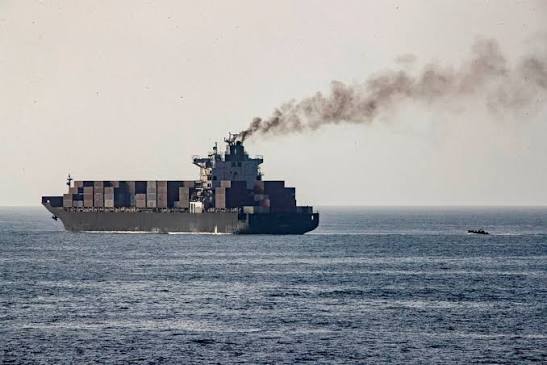
According to sources, the intercepted vessels include the supertanker “Deep Sea”, the tanker ‘Sevin’, and the fully loaded supertanker ‘Dorena’. The ‘Dorena’, carrying approximately two million barrels of crude oil, was reportedly placed under escort by a US Navy destroyer in the Indian Ocean after allegedly attempting to breach the blockade.
Another vessel, the ‘Derya’, is also believed to have been intercepted after failing to offload its cargo in India before a US waiver on Iranian crude imports expired. The ship was last tracked off India’s western coast.
The US Central Command stated that since the enforcement of the blockade, at least 29 vessels have been instructed to turn back or return to port. However, officials have not disclosed the full list of intercepted ships.
Meanwhile, Iran has escalated its response by seizing two cargo vessels in the Strait of Hormuz after reportedly opening fire on them—marking its first such action since the conflict began. The ongoing standoff has severely disrupted traffic through the vital oil transit route, which handles nearly one-fifth of the world’s oil and gas supplies. As a result, global energy markets are facing mounting pressure, with shipping activity in the region slowing to near standstill.
Security sources suggest the US military is increasingly targeting Iranian vessels in open waters rather than near the Strait of Hormuz, aiming to reduce risks associated with potential naval mines and escalating confrontations in the narrow waterway. The situation continues to evolve, with rising concerns over global energy security and the potential for further escalation at sea.