











































































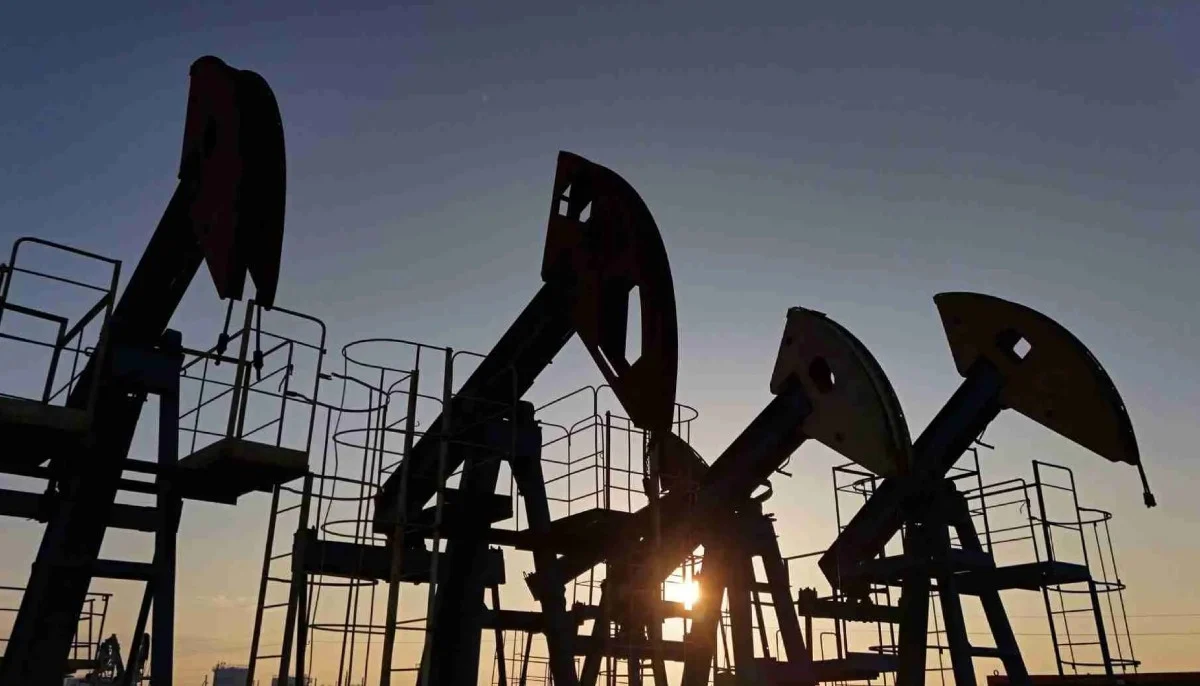
Global oil prices climbed sharply on Monday, crossing the $108 per barrel mark as fears of prolonged supply disruptions in the Middle East overshadowed tentative diplomatic developments between Washington and Tehran.

Brent crude rose 2.75% to settle at $108.23 per barrel, while US West Texas Intermediate (WTI) gained 2.09% to reach $96.37. The surge comes amid ongoing concerns about restricted shipping through the Strait of Hormuz, a critical global oil transit route, following US-Israeli strikes on Iran earlier this year.
Although markets showed some optimism after the White House confirmed that President Donald Trump is reviewing a new proposal from Iran, uncertainty continues to weigh heavily on energy markets. According to reports, Tehran’s proposal suggests delaying discussions on its nuclear programme until after the conflict subsides and maritime disputes in the Gulf are addressed. Pakistani mediators also indicated that diplomatic efforts between the two sides remain ongoing.
Despite the geopolitical tension, global equity markets posted modest gains. MSCI’s global stock index rose 0.22%, reflecting cautious optimism among investors. On Wall Street, performance was mixed: the Dow Jones Industrial Average edged down 0.13%, while the S&P 500 and Nasdaq Composite recorded slight gains.
Investors are now turning their attention to a crucial week filled with major corporate earnings reports, economic data releases, and central bank meetings. Tech giants including Microsoft, Alphabet, Amazon, Meta Platforms, and Apple are set to announce their quarterly results, with capital expenditure plans expected to be closely scrutinized.
Economic indicators will also play a key role, particularly the US first-quarter GDP figures and the March Personal Consumption Expenditures (PCE) Price Index, the Federal Reserve’s preferred measure of inflation.
Currency markets reflected growing caution, as the US dollar index slipped 0.16% to 98.49. The euro edged slightly higher, while the dollar remained largely steady against the Japanese yen.
Meanwhile, major central banks—including the US Federal Reserve, Bank of Japan, European Central Bank, and Bank of England—are widely expected to maintain current policy rates. Notably, this Federal Reserve meeting may be the last chaired by Jerome Powell.
In bond markets, US Treasury yields moved higher, with the 10-year yield rising to 4.336% and the 30-year yield reaching 4.9409%, signaling expectations of steady interest rates.
Gold prices, however, declined by 0.62% to $4,679.09 per ounce, reflecting a slight easing in safe-haven demand as investors balanced geopolitical risks with cautious market optimism.
Overall, while diplomatic signals offer a glimmer of hope, persistent tensions in the Middle East continue to keep global energy markets on edge.