






















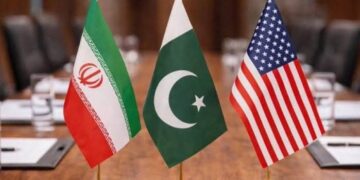




















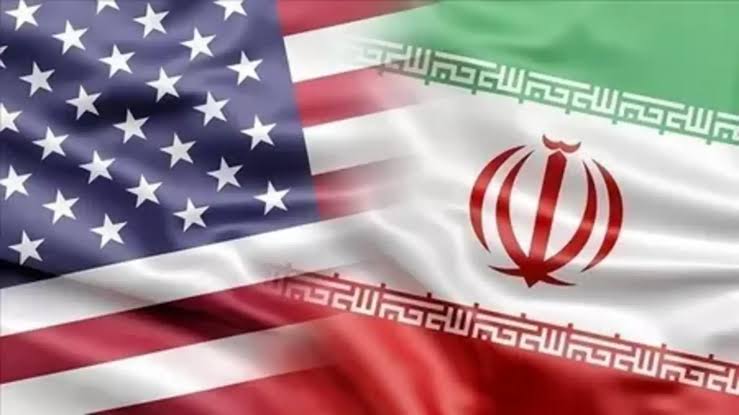
WASHINGTON/TEHRAN: The United States has turned down a fresh proposal from Iran aimed at ending the ongoing conflict, with President Donald Trump making it clear that the naval blockade will remain in place until Tehran agrees to strict nuclear limitations.

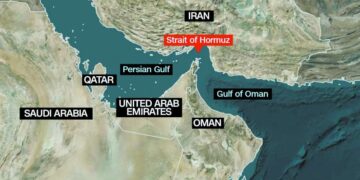
In a recent interview, Trump said the blockade had proven more effective than direct military action and warned that conditions for Iran could worsen if it failed to comply. He emphasized that preventing Iran from acquiring nuclear weapons remains a top priority for Washington. The rejected proposal, reportedly conveyed through Pakistan, included provisions for easing tensions in the Strait of Hormuz—a critical global oil transit route.
Under the plan, Iran would reduce its restrictions in the strait while the US would lift its blockade, allowing negotiations on broader issues, including Tehran’s nuclear program, to continue. However, US officials declined the offer, and discussions remain stalled. Meanwhile, reports indicate that the US aircraft carrier USS Gerald R. Ford is expected to leave the Middle East after a 10-month deployment. While its departure will bring relief to thousands of deployed personnel, it may also reduce US military presence at a sensitive moment in the conflict.
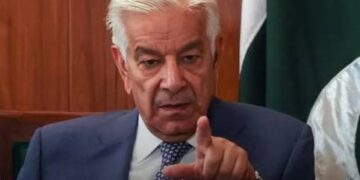
Iranian officials, including Parliament Speaker Bagher Ghalibaf, have accused the US of using economic pressure and media influence to destabilize the country internally. He called for national unity in the face of what he described as a new phase of external pressure.
Tensions have further escalated as Iran warned of “unprecedented military action” if the US continues to enforce restrictions on Iran-linked shipping. Tehran maintains that its nuclear program is peaceful, but Washington remains unconvinced.
The ongoing standoff has also impacted global markets. Oil prices surged sharply, with Brent crude rising above $117 per barrel, reflecting concerns over prolonged instability and disrupted supply routes. Trump also revealed he briefly discussed the situation with Russian President Vladimir Putin, though he indicated that ending the war in Ukraine remains a more pressing priority for Moscow.
Despite claims from Washington that Iran has been “militarily defeated,” Iranian officials insist the conflict is far from over, warning that they still possess significant untapped capabilities and remain prepared for further escalation if necessary.