



































































ISLAMABAD/TEHRAN (MNN); Pakistan on Wednesday strongly condemned recent threats by Yemen’s Houthi movement against Saudi Arabia and international commercial shipping in the Red Sea, warning that any hostile action targeting Pakistani-flagged vessels or the country’s maritime interests would be considered a serious threat to national security.

In a strongly worded statement, the Foreign Office (FO) said threats to commercial shipping and maritime trade with Saudi Arabia were unacceptable and violated international law, amid growing concerns over regional security following the Houthis’ announcement of a maritime embargo on the Kingdom.
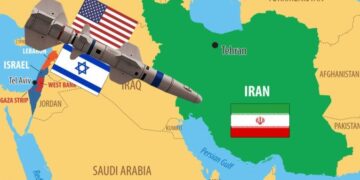
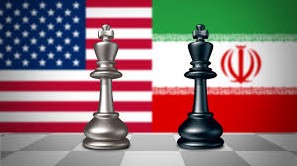
The statement came after the Iran-aligned Houthi movement declared an immediate naval blockade against Saudi Arabia, threatening to target vessels trading with the Kingdom through the Red Sea. The move has heightened fears of a wider regional conflict as tensions between the United States and Iran continue to intensify.
The Foreign Office said Pakistan was deeply concerned by reports that commercial vessels engaged in lawful trade with Saudi Arabia had become potential targets.
“Such actions endanger regional peace, undermine freedom of navigation, threaten the rules-based international maritime order and disrupt the uninterrupted flow of global trade,” the FO stated.
Pakistan warned that any hostile act against Pakistani-flagged ships or the country’s maritime interests would be treated as a grave threat to its sovereignty and national security.
The Foreign Office stressed that Pakistan reserves the right to take all necessary measures, including the lawful use of force in self-defence, to protect its maritime assets in accordance with the United Nations Charter and international law.
Islamabad also voiced concern over what it described as attempts to draw Saudi Arabia directly into the expanding Middle East conflict, where military confrontations between the United States and Iran have intensified in recent weeks.
Reaffirming Pakistan’s longstanding friendship with the Kingdom, the Foreign Office reiterated Islamabad’s unwavering support for Saudi Arabia’s security, sovereignty, territorial integrity and economic prosperity.
Pakistan once again called upon all parties to exercise restraint, resolve disputes through dialogue and diplomacy, respect international law and ensure the safety of global maritime routes.
The Foreign Office also released an Arabic version of its statement, underlining the importance Islamabad attaches to its ties with Riyadh and the wider Arab world.
Growing Regional Tensions
The Houthi announcement follows renewed military exchanges between Saudi Arabia and the Iran-backed group after years of relative calm under a ceasefire reached in 2022.
Earlier this month, following Houthi missile attacks targeting Saudi Arabia, Prime Minister Shehbaz Sharif strongly condemned what he described as attacks against the Kingdom and reaffirmed Pakistan’s solidarity with Riyadh.
Pakistan also supported Saudi Arabia during an emergency session of the United Nations Security Council on Yemen, urging all parties to pursue dialogue instead of military confrontation.
Relations between Pakistan and Saudi Arabia have further strengthened since the signing of the Strategic Mutual Defence Agreement in September 2025, under which any attack on one country is considered an act of aggression against both.
The two countries have maintained close defence, security and strategic cooperation for decades, making Saudi Arabia one of Pakistan’s closest regional partners.
Shipping Routes Affected
Meanwhile, international shipping companies have begun altering their routes in response to the Houthi threats.
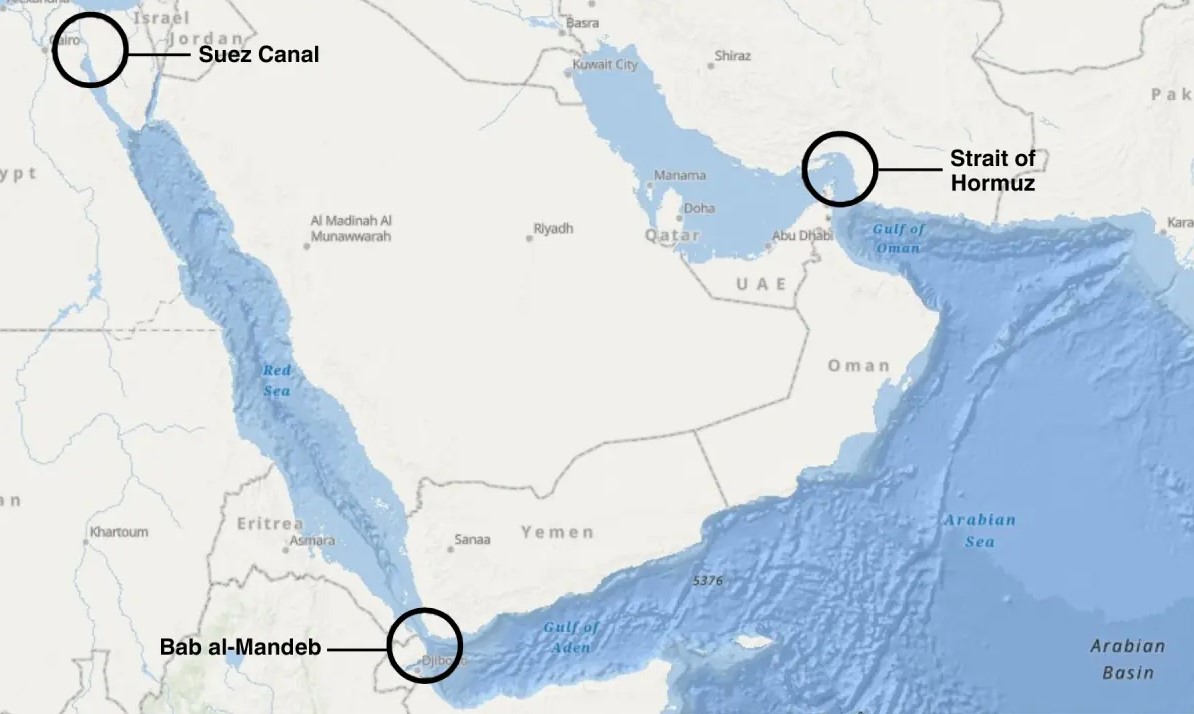
According to international shipping data, several oil tankers navigating the Red Sea changed course on Wednesday, with some redirecting towards the Suez Canal while others moved into open waters to avoid potential security risks.
Earlier, three tankers carrying Saudi crude oil destined for China and India also altered their routes rather than sailing near Yemen’s coastline.
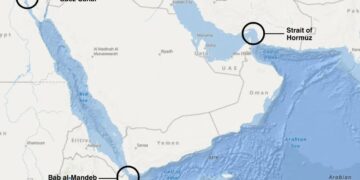
Security analysts warn that any prolonged disruption in the Bab al-Mandeb Strait or Red Sea shipping lanes could significantly affect global energy markets, as Saudi Arabia increasingly relies on its Yanbu Red Sea oil terminal to bypass restrictions around the Strait of Hormuz.
Recent data from the Joint Organisations Data Initiative (JODI) also showed Saudi crude exports fell for a third consecutive month in May, reflecting disruptions caused by the ongoing regional conflict.
Meanwhile, US President Donald Trump said Washington would “take care of” the Houthis if they attempted to enforce a blockade on Saudi Arabia’s Red Sea ports, signalling the possibility of further escalation in the region.