















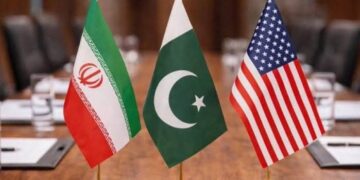




















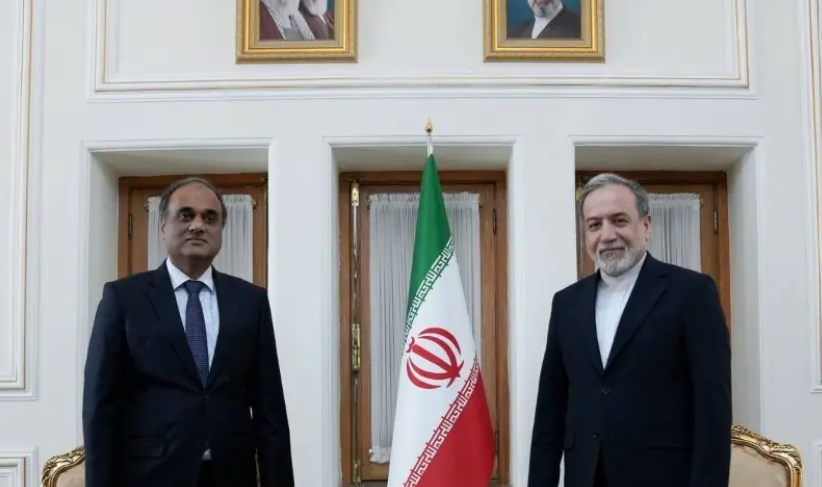
Iranian Foreign Minister Abbas Araghchi on Monday said peace and security were the two main priorities for strengthening relations between Iran and Pakistan during a meeting with Pakistan’s newly appointed ambassador to Tehran, Imran Ahmed Siddiqui.

Araghchi made the remarks at Iran’s Ministry of Foreign Affairs after receiving copies of Ambassador Siddiqui’s credentials.
The meeting took place as renewed diplomatic efforts continued to end the latest round of fighting between the United States and Iran after an earlier Pakistan-mediated understanding broke down due to differing interpretations of the agreement, particularly over arrangements related to the Strait of Hormuz.
After the presentation of his credentials, Siddiqui and Araghchi discussed bilateral ties, regional developments and opportunities to expand cooperation in various fields.
During the meeting, Araghchi thanked Pakistan for its diplomatic engagement in recent regional developments, saying the current situation presented an opportunity to further strengthen relations between the neighbouring countries.
The Iranian foreign minister described peace and security as common objectives for both nations and underscored the importance of enhancing bilateral cooperation.
The two sides also reaffirmed their commitment to deepening their longstanding friendship and expanding cooperation for the mutual benefit of both countries.
Momeni arrives in Islamabad
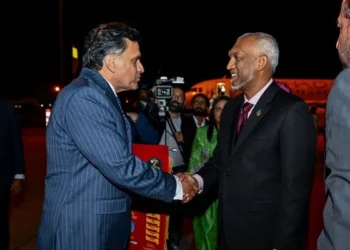
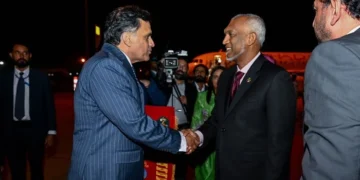
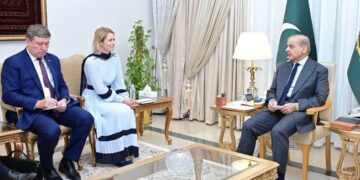
Iranian Interior Minister Eskander Momeni arrived in Islamabad on Monday night for an official visit, during which he is expected to hold talks with Pakistani leaders on the ongoing US-Iran conflict.
He was received at the airport by Interior Minister Mohsin Naqvi.
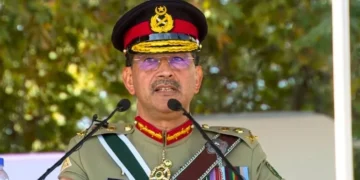
During his stay, Momeni is scheduled to meet Prime Minister Shehbaz Sharif and Chief of Defence Forces and Chief of Army Staff Field Marshal Syed Asim Munir.
Earlier reports suggested the Iranian minister would also engage with Pakistani officials involved in mediating the now-defunct interim ceasefire between Washington and Tehran.
Pakistan and Iran share a 900-kilometre border and longstanding historical, cultural and religious ties, although relations have occasionally been affected by cross-border militancy and regional security concerns.
In recent months, Islamabad has taken on a more active diplomatic role in the US-Iran crisis by hosting discussions, facilitating communication between the two sides and helping broker a temporary understanding earlier this year.
Alongside diplomatic engagement, the two neighbours have sought to strengthen economic cooperation through increased bilateral trade, improved connectivity between Pakistani ports and Iran, and renewed discussions on the long-delayed Iran-Pakistan gas pipeline.
However, progress on many of these initiatives continues to face challenges due to US sanctions on Iran, banking restrictions and security issues along the shared border.