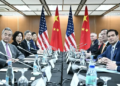
















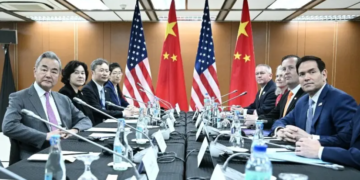






















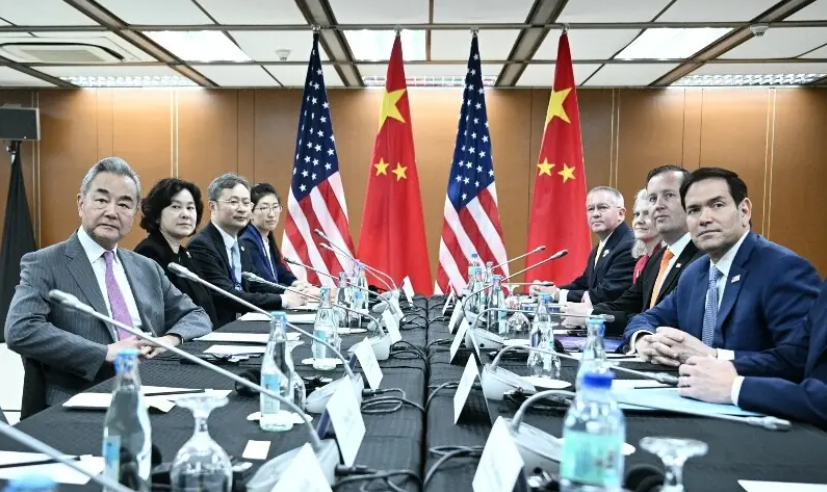
MANILA: US Secretary of State Marco Rubio met Chinese Foreign Minister Wang Yi on the sidelines of the ASEAN Foreign Ministers’ Meeting in Manila on Wednesday, as regional leaders grappled with escalating tensions in the Middle East and ongoing disputes in the South China Sea.

The high-level meeting between the top diplomats came amid expectations of a possible summit between US President Donald Trump and Chinese President Xi Jinping later this year. Neither Rubio nor Wang spoke to reporters before the talks.
The discussions took place against the backdrop of a fragile trade truce between the United States and China, which has been strained by Washington’s allegations of Chinese interference in US elections—claims Beijing has rejected.
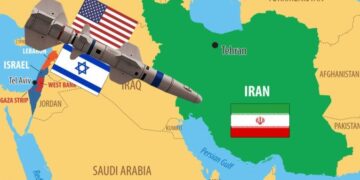
Addressing ASEAN foreign ministers, Rubio blamed Iran for the renewed hostilities in the Middle East, saying Tehran was not serious about negotiations.
“If they’re serious, we’re serious. If they’re not, then we will do what’s necessary to protect our interests, and also the interests of our allies,” Rubio said.
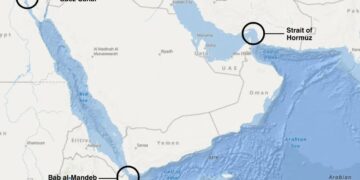
He also warned against any disruption to navigation through the Strait of Hormuz, saying control of such a critical maritime route by Iran would set a dangerous precedent for other strategic waterways, including those in Southeast Asia.
The South China Sea remained another major focus of the regional gathering. In an opinion article published ahead of his visit, Rubio accused Beijing of posing “new and coercive threats” in the disputed waters, warning against the use of trade and maritime access as geopolitical tools.
China claims sovereignty over most of the South China Sea, overlapping with the exclusive economic zones of several ASEAN members, including the Philippines, Vietnam, Malaysia, Brunei and Indonesia.
Australia also voiced concern over recent confrontations between Chinese coast guard vessels and Philippine naval personnel. Australian Foreign Minister Penny Wong described the incidents as “destabilising and risky,” urging regional countries to respond collectively.
Beijing dismissed the criticism, with Chinese Foreign Ministry spokesperson Lin Jian saying Australia had “no right to intervene” in the South China Sea issue and calling on countries to stop “stirring up tension and inciting confrontation.”
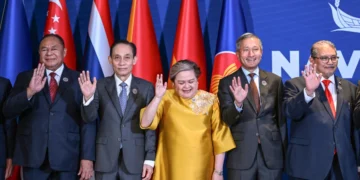
Separately, Wang met ASEAN foreign ministers and stressed the importance of mutual trust, openness and inclusiveness, saying China and ASEAN should serve as “an anchor for regional and global peace and development.”
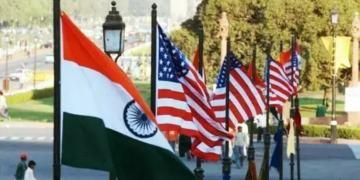
Rubio also participated in a meeting of the Quad grouping—comprising the United States, India, Australia and Japan—which reaffirmed its commitment to a “free and open Indo-Pacific” and expressed continued support for ASEAN’s central role in regional affairs.