












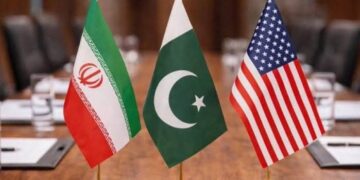
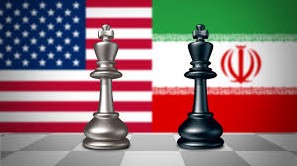


























WASHINGTON/DOHA (MNN); Indirect negotiations between the United States and Iran concluded in Doha on Wednesday without any face-to-face meeting between the two delegations, as both sides expressed cautious optimism over the implementation of the Islamabad Memorandum of Understanding (MoU) aimed at reducing regional tensions and advancing a long-term peace framework.

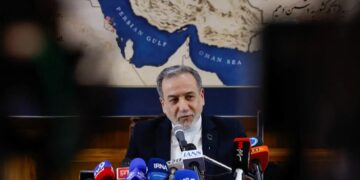
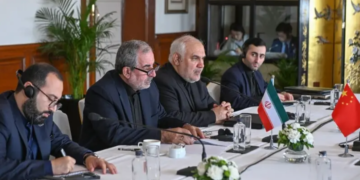
Iran’s Deputy Foreign Minister Kazem Gharibabadi confirmed that the Iranian delegation held meetings only with Qatari and Pakistani mediators, dismissing reports of direct negotiations with American officials.
Speaking after the talks, Gharibabadi said discussions focused on implementing the provisions of the Islamabad MoU, particularly issues relating to Lebanon, the Strait of Hormuz, and the release of Iran’s frozen financial assets.
He stressed that no direct meeting took place between Iranian and American representatives in Doha.
“The meetings were conducted solely in a trilateral format involving Iran, Qatar and Pakistan,” Gharibabadi said, according to Iranian media.
He added that the discussions reviewed practical mechanisms for implementing the memorandum rather than negotiating a final agreement with Washington.
According to Iran’s official IRNA news agency, the parties also agreed to establish a communication channel that would monitor, report and discuss any violations of the Islamabad Memorandum of Understanding.
The mechanism is expected to facilitate coordination among the mediators and both parties in addressing future disputes regarding implementation of the agreement.
Gharibabadi further revealed that part of Iran’s $6 billion in frozen assets would be utilized to purchase essential goods required by Tehran under the humanitarian provisions of the agreement.
However, he clarified that negotiations on a comprehensive final agreement with the United States have not yet begun.
He said working groups had already been established to supervise implementation of the memorandum and prepare future negotiations, but formal talks on a permanent settlement remained pending.
Trump Optimistic About Talks
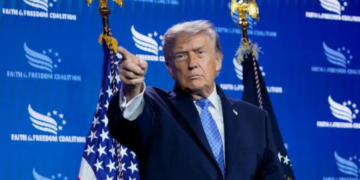
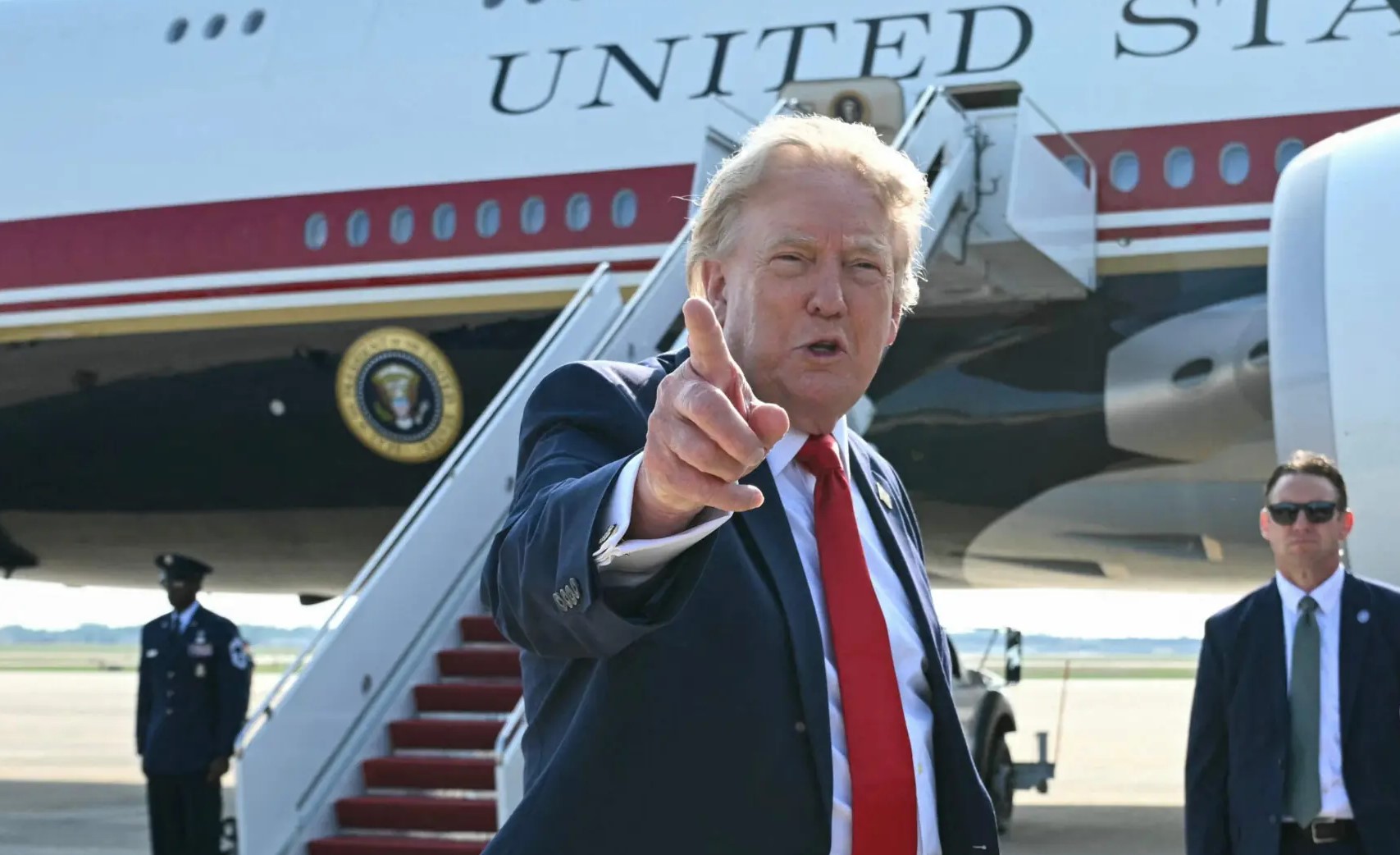
Despite Iran’s insistence that no direct negotiations occurred, US President Donald Trump expressed confidence over the diplomatic process.
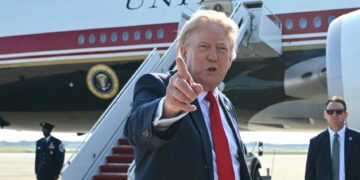
Speaking before departing for an overseas visit, Trump said the United States was “getting along well” with Iran and described the nuclear negotiations as moving in the right direction.
“The denuclearisation of Iran is moving along well. They’ve had very good meetings,” Trump told reporters.
He claimed Tehran had “come a long way” in negotiations and reiterated Washington’s position that Iran would never be allowed to acquire nuclear weapons.
“We hit them very hard last week. I think they’re fine. Iran can never have a nuclear weapon,” Trump remarked while referring to recent military exchanges.
Vance Says Momentum Continues
US Vice President JD Vance also voiced optimism regarding the negotiations, saying discussions with Iran had gone “extremely well.”
He stated that the Trump administration intended to maintain the momentum achieved through recent diplomatic engagement.
“President Trump’s instructions are clear: continue negotiating in good faith and work toward an agreement,” Vance said.
He added that Washington believed influential figures within Iran were seeking to open a new chapter in relations.
At the same time, Vance warned that the United States remained prepared to respond if Iran resumed activities that Washington considered destabilising.
He said President Trump had several options available should Iran attempt to rebuild its nuclear programme, threaten neighbouring countries or support militant groups.
Iran has consistently denied accusations that it seeks to develop nuclear weapons.
Vance also defended recent US military operations, saying Washington had targeted Iranian positions after attacks on commercial shipping and used military pressure to restore safe navigation through the Strait of Hormuz.
He confirmed that American officials were participating in indirect discussions in Doha focusing primarily on maritime security and navigation.
Qatar, Pakistan Continue Mediation
Diplomatic sources confirmed that Wednesday’s negotiations were held through Qatari and Pakistani mediation at the technical level.
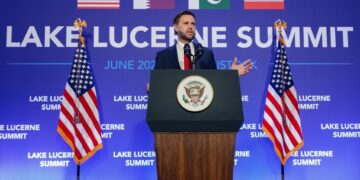
The discussions were intended to build upon progress achieved during last month’s Lake Lucerne Summit in Switzerland, where senior US and Iranian officials held direct talks leading to the Islamabad Memorandum of Understanding.
US envoys Jared Kushner and Steve Witkoff did not participate in the technical negotiations.
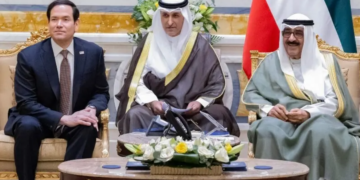
Instead, both officials met Qatar’s Emir and Prime Minister Sheikh Mohammed bin Abdulrahman Al Thani in Doha to review implementation of the memorandum and discuss developments in Lebanon.
According to Qatar’s Foreign Ministry, the meeting focused on the ongoing US-Iran diplomatic process and broader regional security issues.
Islamabad MoU Framework
The Islamabad Memorandum of Understanding, brokered jointly by Pakistan and Qatar, was finalized following negotiations held in Lucerne, Switzerland, last month.
The agreement includes a 60-day ceasefire, reopening of the Strait of Hormuz for commercial shipping, implementation mechanisms aimed at reducing military tensions and a roadmap toward a comprehensive settlement of disputes, including Iran’s nuclear programme.
A day before the Doha meetings, Iran had rejected President Trump’s suggestion that direct talks would take place.
Iranian Foreign Ministry spokesperson Esmaeil Baqaei reiterated that the Iranian delegation had no plans to meet American officials directly during the current round of negotiations.
Experts Note Contrasting Public Statements
Political analysts observed that both countries continue presenting different public narratives regarding the negotiations.
Anna Jacobs of the Arab Gulf States Institute described the talks as being at an early stage, noting that public messaging and private diplomacy often differ during sensitive negotiations.
She said the most encouraging sign was that both sides had maintained dialogue despite last week’s military confrontation.
Meanwhile, H.A. Hellyer of the Royal United Services Institute said transparency surrounding the negotiations remained limited, with Washington and Tehran delivering contrasting public messages.
Implementation Challenges Ahead
Iran’s chief negotiator Mohammad Bagher Ghalibaf acknowledged that implementation of the agreement would likely face challenges.
He said it was natural for disagreements and operational issues to emerge following a conflict involving multiple regional actors.
According to Ghalibaf, the Iranian delegation remains focused on implementing provisions concerning the Strait of Hormuz and achieving a reduction in tensions in Lebanon.
He reiterated Tehran’s expectation that the United States and its allies would fully implement their commitments under the agreement.
Iran also maintains that any lasting settlement must include an end to hostilities in Lebanon and the withdrawal of Israeli forces from occupied areas in southern Lebanon.
Military Tensions Ease
The latest diplomatic efforts follow several days of military exchanges after the Islamabad MoU was signed on June 18.
Iran had targeted a commercial vessel in the Strait of Hormuz, claiming it violated approved navigation routes.
The United States subsequently launched strikes against ten Iranian military targets.
Iran later retaliated with attacks on US military installations in Kuwait and Bahrain, drawing condemnation from both Gulf states.
However, officials noted that military exchanges have significantly declined ahead of the Doha negotiations.
Iran Reports Oil Export Recovery
Ghalibaf also announced a sharp increase in Iran’s oil exports following the lifting of US restrictions on Iranian ports.
He said Tehran had exported more than 40 million barrels of oil since the blockade ended, compared with virtually no exports during the previous two months.
Officials from both sides described the Doha meetings as an important technical step toward implementing the Islamabad Memorandum of Understanding while laying the groundwork for future negotiations aimed at achieving a broader and lasting regional settlement.