


















































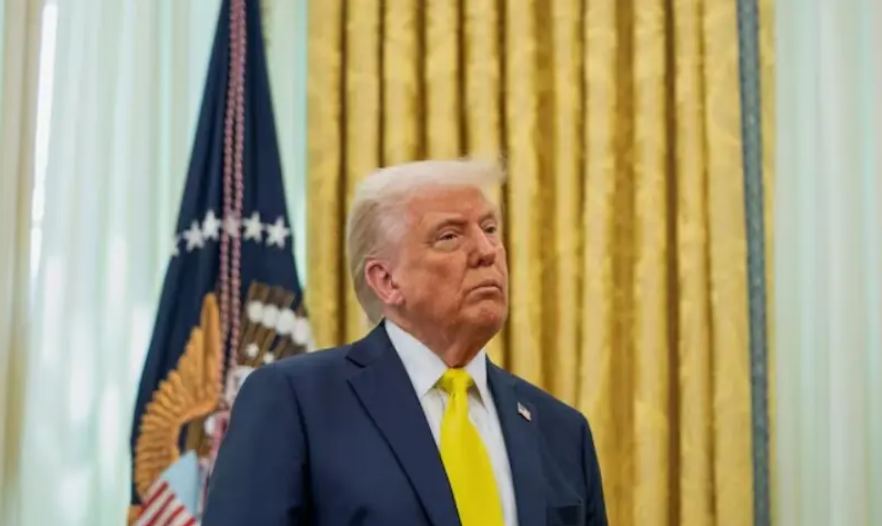
WASHINGTON: US President Donald Trump has reviewed military options against Iran with senior national security officials but is, for now, continuing diplomatic efforts with Tehran, according to a report by the Wall Street Journal.

Citing US officials familiar with the discussions, the report said Trump met with Defence Secretary Pete Hegseth and Chairman of the Joint Chiefs of Staff Gen. Dan Caine to assess whether Washington should continue nuclear negotiations or resume broader military operations against Iran.
Officials involved in the deliberations reportedly referred to the more aggressive military option as “finishing the job.” However, the report said Trump has not reached a final decision and currently favours diplomacy, believing that a large-scale military campaign could undermine ongoing negotiations over Iran’s nuclear programme.
According to the Wall Street Journal, Trump has also indicated that he is willing to allow the nuclear talks to continue beyond the August 18 deadline, giving negotiators additional time to seek a breakthrough. Officials said the move reflects the administration’s preference for maintaining flexibility rather than adhering to a strict timeline.
Despite prioritising diplomacy, Trump remains open to limited military action if Iran breaches a previously agreed memorandum of understanding (MoU). According to the report, the administration is considering “one-off” strikes as a potential response to violations, viewing such measures as a way to maintain pressure without triggering a broader conflict.
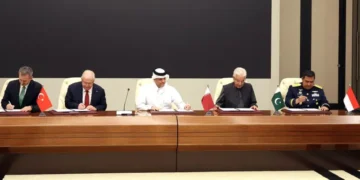
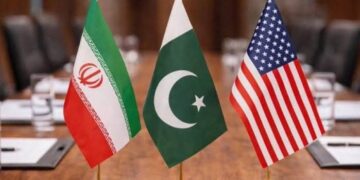
The report said indirect negotiations between the two sides are continuing in Doha. While US envoys Steve Witkoff and Jared Kushner are in the Qatari capital for mediator-led discussions, Iran has rejected any direct meeting with US representatives there.
One of the key issues in the talks remains Iran’s proposal to levy service charges on commercial vessels passing through the Strait of Hormuz, a vital global energy route. Washington has opposed the proposal, insisting that international shipping through the strategic waterway remain unrestricted.
The Wall Street Journal also quoted US Energy Secretary Chris Wright as saying Iran has not been cooperative in wider negotiations, while praising US naval escort operations for helping maintain stable global oil supplies despite ongoing regional tensions.
To reduce the risk of accidental escalation, US officials confirmed that a crisis communication channel has been established between the Islamic Revolutionary Guard Corps (IRGC) and US Central Command. The channel is already operational and is intended to help manage tensions while diplomatic efforts continue.
Analysts cited in the report, including Brookings Institution scholar Suzanne Maloney, said the Trump administration still has alternatives to military action, including financial pressure through frozen Iranian assets and economic measures related to maritime access. However, they warned such tools may have limited impact if fundamental disagreements over Iran’s nuclear programme and regional policies remain unresolved.
The report highlights the administration’s effort to balance diplomatic engagement with military deterrence as it seeks to prevent a wider conflict while maintaining pressure on Tehran.