







































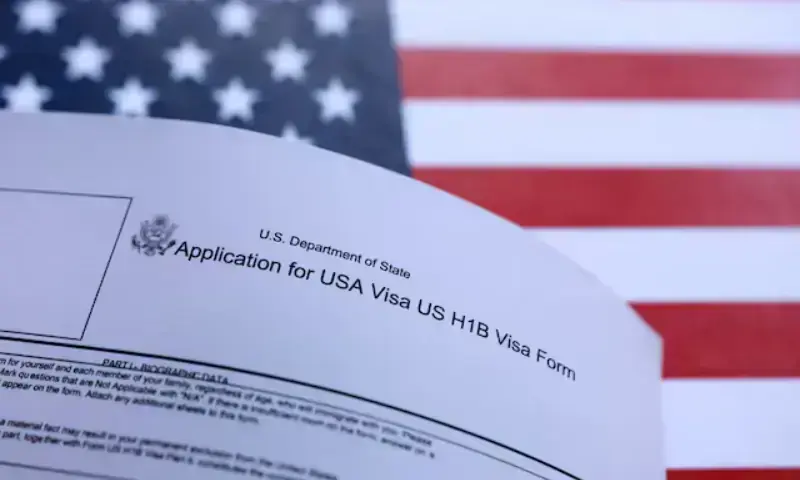
WASHINGTON: The United States has introduced a new visa screening policy instructing its diplomatic missions worldwide to deny non-immigrant visas to applicants who indicate fear of returning to their home country.

According to a State Department directive circulated to US embassies and consulates, consular officers must now ask visa applicants whether they have faced harm or mistreatment in their country of origin, and whether they fear such harm upon return. Applicants who respond “yes” to either question will be refused visas immediately.
The policy applies to a wide range of non-immigrant visa categories, including visitor (B-1/B-2), student, and certain temporary work visas. It is reportedly linked to a 2025 executive order by former president Donald Trump and attributed to Secretary of State Marco Rubio, as part of broader efforts to curb what the administration describes as “asylum abuse.” Previously, such assessments were conducted after individuals arrived in the United States and applied for asylum.
The new directive shifts this screening process to the visa stage, requiring applicants to disclose potential protection concerns before entry. The State Department has defended the move, stating that a US visa is a “privilege, not a right,” and emphasizing that individuals who do not intend to comply with immigration laws should not seek entry through temporary visa channels.
However, immigration lawyers and human rights advocates have raised concerns about the implications of the policy. They warn that it could negatively impact legitimate travellers — including students, journalists, academics, and business professionals — who may have genuine fears of persecution. Critics argue that the measure could discourage truthful disclosures and potentially undermine international protection standards.
The policy has been reported by major international outlets, including The Washington Post and The Guardian. Concerns have also been raised about how such disclosures might affect future asylum claims, though US authorities have not clarified this aspect.
Officials at the Pakistan Embassy in Washington said they have not received any country-specific guidance, indicating that the directive appears to be a global policy applicable to all nationalities.
They noted that such procedural updates are typically shared internally across US diplomatic missions rather than through formal bilateral channels. The directive is expected to be implemented immediately, with consular posts already updating their visa interview procedures.