


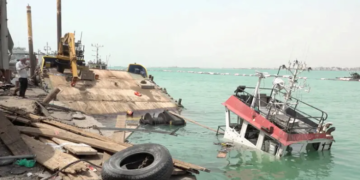
































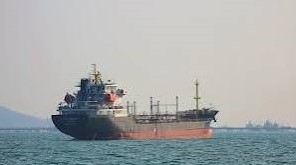
ISLAMABAD/TEHRAN (MNN); Fresh questions have emerged over a vessel reported by Iranian media to have run aground in the strategically vital Strait of Hormuz, after maritime monitoring service TankerTrackers.com stated that the ship has actually remained stranded in the same location since March and is allegedly linked to a shipping network operated by sanctioned Iranian oil trader Mohammad Hossein Shamkhani.

According to a report by Al Jazeera, Iranian media had claimed the vessel became stranded after navigating through a route allegedly suggested by the United States. However, TankerTrackers.com disputed the claim, saying satellite monitoring showed the vessel, identified as Arista, has been stationary in the same position for several months.
The maritime monitoring service said the Comoros-flagged Arista is allegedly part of a commercial network managed by Mohammad Hossein Shamkhani, an Iranian oil shipping magnate facing sanctions from the United States, the European Union and the United Kingdom over alleged involvement in Iranian and Russian oil trading operations.
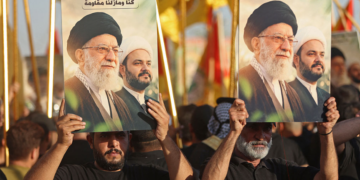
Mohammad Hossein Shamkhani is the son of the late Ali Shamkhani, who served for nearly a decade as secretary of Iran’s Supreme National Security Council and later became a senior adviser to Iran’s former Supreme Leader Ayatollah Ali Khamenei. According to reports, Ali Shamkhani was killed during the first wave of Israeli-US strikes on Tehran on February 28.
International investigators and Western governments have accused Mohammad Hossein Shamkhani of operating a vast network that allegedly helps Iran and Russia export oil while bypassing international sanctions.
The US Treasury Department alleges that Shamkhani controls a multibillion-dollar petroleum trading empire using front companies, falsified shipping documents and complex financial networks to conceal the origin of Iranian and Russian crude oil.
According to US authorities, the operation frequently transfers oil between tankers at sea, changes cargo documentation and routes payments through intermediary companies and investment funds to obscure financial transactions.
The European Commission has also alleged that Shamkhani’s company, Milavous Group Ltd, blends Iranian and Russian crude oil with other petroleum products before rebranding the shipments for export to conceal their origin.
Neither Shamkhani nor his representatives are known to have publicly responded to these allegations.
In March, the Organised Crime and Corruption Reporting Project (OCCRP) reported that Mohammad Hossein Shamkhani and his brother allegedly used aliases and Caribbean citizenship-by-investment passports to acquire a property portfolio worth approximately $29 million in Dubai.
The United States first imposed sanctions on Shamkhani in July last year before expanding restrictions in April by targeting additional companies, vessels and financial networks linked to his operations.
US Treasury Secretary Scott Bessent said the measures were aimed at dismantling networks benefiting senior figures within the Iranian establishment.
The US Treasury has described Shamkhani as the head of a multibillion-dollar Iranian and Russian petroleum sales network that allegedly enriches politically connected elites while helping both countries evade international sanctions.
The European Union has similarly designated Shamkhani as a central figure in Russia’s so-called “shadow fleet”—a network of ageing oil tankers allegedly used by Moscow to export crude oil despite Western sanctions imposed following Russia’s 2022 invasion of Ukraine.
Last year, the United Kingdom also imposed sanctions on Shamkhani, including an asset freeze, travel ban and director disqualification.
British officials said the measures targeted individuals and organisations accused of supporting Iran’s regional activities and helping generate revenues through international oil trading networks.
The Strait of Hormuz remains one of the world’s most strategically important maritime chokepoints, with roughly one-fifth of global oil shipments passing through the narrow waterway each day. Any incident involving commercial shipping in the area is closely monitored because of its potential impact on international energy markets and regional security.