




















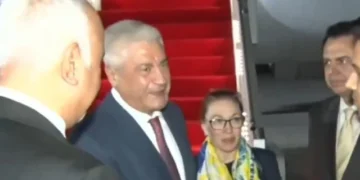





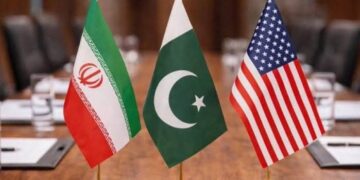
























Qatari Prime Minister Sheikh Mohammed bin Abdulrahman al-Thani is set to visit Tehran on Thursday as Qatar seeks to revive diplomatic efforts between the United States and Iran amid growing tensions over sanctions and the Strait of Hormuz.

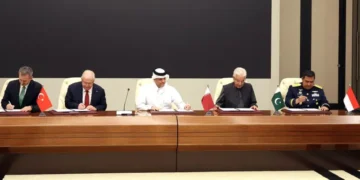
Qatar, which maintains close ties with both Iran and the United States, has played a key mediating role during the conflict and helped secure a June ceasefire that temporarily halted hostilities. However, as the war approaches its sixth month, a lasting diplomatic settlement remains elusive.
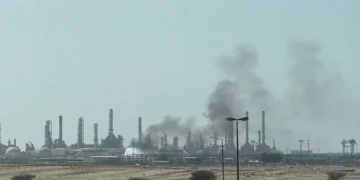
A major point of contention remains the Strait of Hormuz, a crucial route for global oil supplies. Iran has sought to use its control of the waterway as leverage, while Washington has opposed Tehran’s efforts to impose charges on ships passing through the strait.
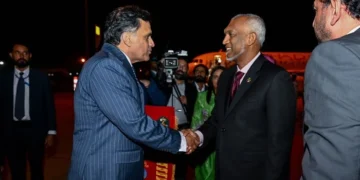
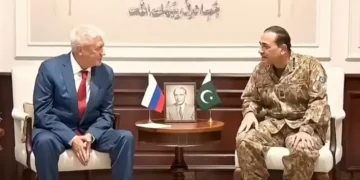
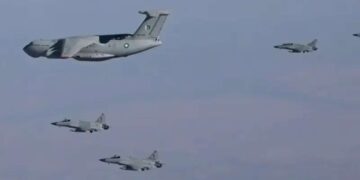
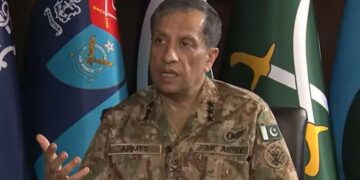
The visit follows recent diplomatic efforts, including trips by Chief of Defence Forces Field Marshal Asim Munir and Omani Foreign Minister Badr Al-Busaidi. The Islamabad Memorandum of Understanding collapsed partly because of disagreements over the strategic waterway between Iran and Oman.
Although fighting has largely subsided and the US Central Command has not reported attacks on Iran for nearly a month, Washington has increased economic pressure by announcing plans to expand sanctions targeting Iran’s trading partners.
Oil shipments through the Strait of Hormuz have dropped sharply, with ship-tracking data showing only 5 million barrels per day passing through the waterway on Monday, compared with around 20 million barrels per day before the war.
Iran’s Revolutionary Guards said on Wednesday that Tehran and Oman had reached an understanding on sharing control of the strait and its revenues. However, a senior Iranian source later told Reuters that negotiations were still continuing and no final agreement had been reached.
During his Tehran visit, Sheikh Mohammed is expected to discuss Qatar’s ongoing mediation efforts, regional developments and freedom of navigation in the Strait of Hormuz. Qatar’s Foreign Ministry said the talks would also focus on ways to “de-escalate tensions and create the conditions conducive to dialogue”.
The international waterway had remained open to free navigation before the war, but Iran has since attempted to maintain control over it as a source of leverage and revenue. Tehran has sought to charge vessels passing through the strait, a move opposed by the United States.
“An agreement with Oman over the Strait of Hormuz has not been finalised,” a senior Iranian source told Reuters, adding that discussions were continuing over the details of a possible accord.
The remarks appeared to contradict an earlier statement by Brigadier General Hossein Mohebbi, spokesperson for the Islamic Revolutionary Guard Corps (IRGC), who said Iran and Oman had “reached results that are acceptable to both sides” regarding the management of the strait and its revenues.
Mohebbi said the waterway would remain closed unless Washington met Iran’s demands under the interim ceasefire agreement signed in June. Tehran’s conditions include ending the US blockade on Iranian ports, providing compensation and lifting sanctions.
Iran and Oman have held intermittent talks for weeks over the management of traffic through the strategic waterway, while Tehran and Washington continue to assert competing control and impose separate blockades.