








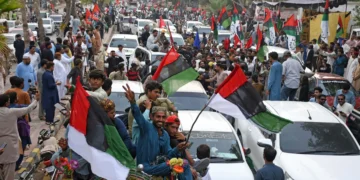






















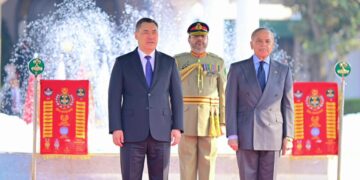




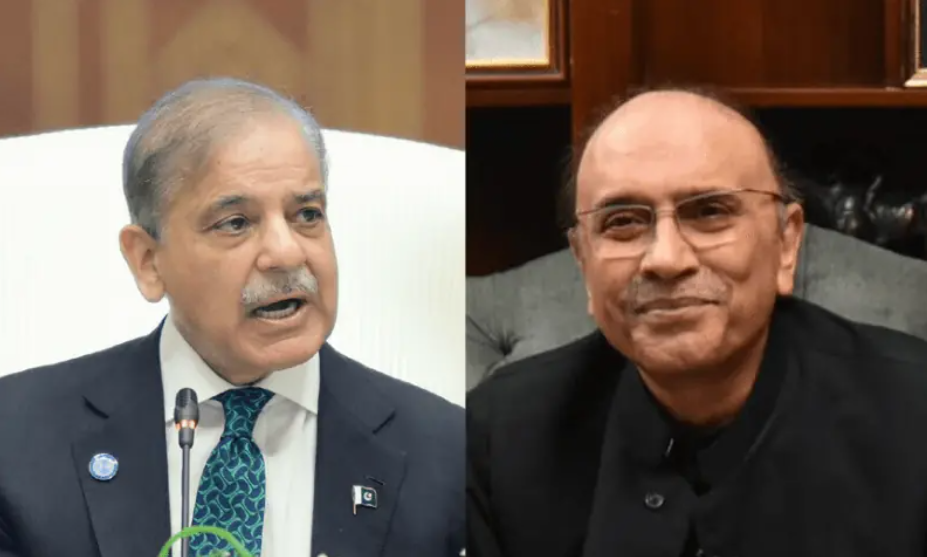
President Asif Ali Zardari and Prime Minister Shehbaz Sharif paid tribute to Pakistan’s labour force on International Labour Day, describing them as the “backbone” of society and a “pillar of national strength.”

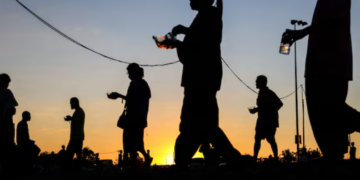
In separate messages marking May 1, the prime minister honoured workers across Pakistan and abroad, praising their dedication and calling them a source of national pride. He acknowledged the contributions of labourers, farmers, artisans, factory workers, and professionals, stating that their hard work keeps all sectors of life running smoothly, from local industries to the global stage.
He also highlighted the importance of overseas Pakistanis, noting that their remittances and efforts reflect the country’s capability and professionalism. He pointed to government initiatives such as the National Skills Development Policy, aimed at improving workforce training, language skills, and international certifications to help Pakistanis secure better opportunities worldwide.
The prime minister further mentioned institutions like the Employees’ Old-Age Benefits Institution (EOBI) and the Workers Welfare Fund (WWF), which provide support through pensions, housing, and education. He emphasized the need for collective efforts from the government, businesses, and society to protect workers’ rights and dignity.
President Zardari, in his message, recognised the historic struggle of workers for fair wages and better conditions. Referring to the Constitution, he noted: “The State shall ensure the elimination of all forms of exploitation and the gradual fulfilment of fundamental principles, from each according to his ability to each according to his work.”
He praised labourers as the driving force behind national development and reiterated Pakistan’s commitment to international labour standards, including fair wages, social protection, and the elimination of child and forced labour. He also appreciated overseas workers, calling them a “pillar of national strength,” and stressed that ensuring safe working conditions and equal opportunities remains a moral responsibility.
Despite these acknowledgements, challenges persist. Pakistan has yet to ratify several international labour conventions, and although laws exist, weak enforcement continues to affect workers. Issues such as low wages, limited social protection, and inadequate representation remain largely unresolved.