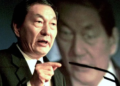






















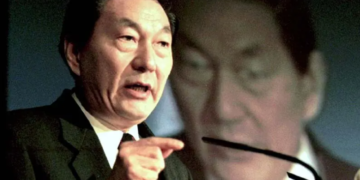
































Former Chinese premier Zhu Rongji, whose market-oriented reforms played a major role in the country’s rapid economic transformation, died in Beijing on Wednesday at the age of 97.

Zhu served as premier from 1998 and quickly became known for his strong support for economic reforms. His government introduced wide-ranging measures, including the restructuring and privatisation of loss-making state-owned enterprises, reforms to urban housing and policies encouraging home ownership.
According to state news agency Xinhua, Zhu died late Wednesday morning after an illness, “after medical treatment failed to save him”.
An obituary issued jointly by China’s top political bodies described Zhu as a leader who dedicated his life to serving the people and the Communist Party, calling his death a major loss for the country.
Zhu’s reforms helped fuel a major expansion in China’s property and construction sectors. Real estate eventually grew to account for around a quarter of the economy before the sector was hit by a severe debt crisis in 2020.
His leadership also received credit for helping China withstand the effects of the 1997 Asian financial crisis. Zhu played a key role in negotiations that paved the way for China to join the World Trade Organisation in 2001, further integrating the country into the global economy.
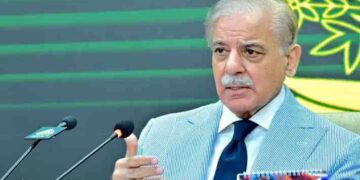
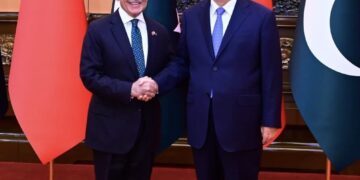
Prime Minister Shehbaz Sharif expressed condolences to Chinese President Xi Jinping, Premier Li Qiang, Zhu’s family and the Chinese people.
“Deeply saddened by the passing of former Chinese premier Zhu Rongji, a great leader and a good friend of Pakistan,” Shehbaz wrote on X. “Pakistan shares the grief of our iron brother China at this sad hour.”
‘Outstanding leader’
China’s official obituary described Zhu as “an outstanding member of the Communist Party of China, a long-tested and loyal communist fighter … [and] an outstanding leader of the Party and the state”.
Although Zhu’s reforms helped lift millions of people out of poverty, they also contributed to widening inequality. His market-focused approach became less prominent after Xi Jinping came to power in 2012.
Xi has since promoted a more balanced economic model, criticised excessive capitalism and wealth displays, and increased scrutiny of major private companies.
Following Zhu’s death, Chinese authorities urged the public to draw inspiration from his legacy and remain united around the Communist Party leadership under Xi Jinping.
“We must turn our grief into strength, learn from [Zhu’s] revolutionary spirit, noble character and fine conduct, and rally even more closely around the Party Central Committee with Comrade Xi Jinping at its core,” the obituary said.
News of Zhu’s death quickly became one of the biggest trending topics on Weibo, receiving more than 190 million views within hours of the announcement.
One widely liked comment described him as “The people’s good premier, go in peace,” while other users posted candle emojis in his memory.