






































































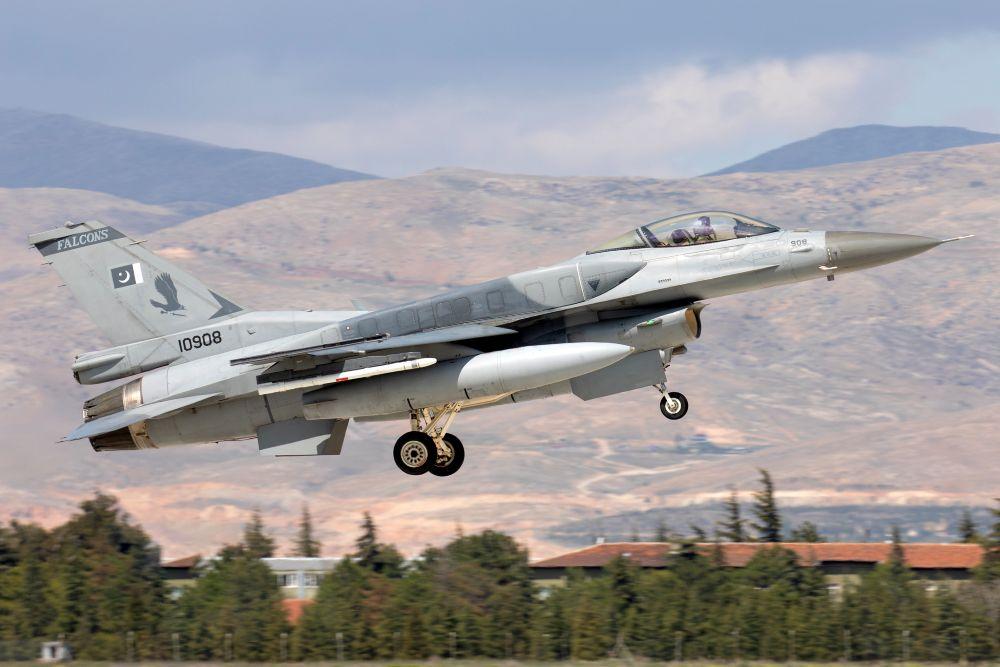
Analysts say a $686 million defence package offered by the United States will significantly enhance Pakistan’s ageing fleet of F-16 fighter jets, enabling them to remain combat-ready and interoperable with modern air forces through 2040.

According to defence experts, the package focuses on extending the service life of Pakistan Air Force (PAF) F-16s by at least another 15 years through upgrades in secure communications, real-time tactical data sharing, mission planning systems, and sustained maintenance support. The initiative also includes training for pilots and technical staff, simulators, spare parts, and engineering and logistics assistance aimed at ensuring long-term operational efficiency.
A substantial portion of the package is dedicated to maintenance and sustainment, covering replacement components, repair parts, technical documentation, and engineering services. Analysts note that these measures will help ensure flight safety while improving pilot proficiency and overall mission effectiveness.
Defence analysts say the inclusion of advanced avionics and networking capabilities will make Pakistan’s F-16s fully interoperable with allied forces. According to Janes, a leading global defence analysis firm, the integration of Link-16 technology would allow PAF aircraft to access networked information from command centres and ground units, enhancing situational awareness and combat capability.
The Brussels-based International Crisis Group (ICG) has described the package as a continuation of long-standing US-Pakistan defence ties. ICG analyst Praveen Donthi said continued support for Pakistan’s F-16 fleet remains a core element of bilateral relations, despite concerns raised by India over the aircraft’s potential use against New Delhi.
Washington-based South Asia analyst Michael Kugelman has noted that while the deal may carry geopolitical implications, particularly in the context of US-India relations, it is largely rooted in longstanding US commitments to support American-made aircraft operated by Pakistan.
Data from the Stockholm International Peace Research Institute (SIPRI) places the deal within a broader strategic landscape. Between 2020 and 2024, more than 80 per cent of Pakistan’s weapons imports came from China, highlighting Islamabad’s growing reliance on Beijing for major defence platforms.
Analysts say the F-16 upgrade underscores Pakistan’s parallel effort to maintain diversified air power capabilities.In a letter sent to the US Congress on December 8, the Defence Security Cooperation Agency (DSCA) said the proposed sale would support US foreign policy and national security objectives by allowing Pakistan to retain interoperability with US and partner forces, particularly in counterterrorism operations and future contingency missions.
The DSCA stated that the upgrades would modernise and refurbish Pakistan’s Block-52 and Mid-Life Upgrade F-16 fleet, extend aircraft service life through 2040, and address critical flight safety concerns. The letter also noted Pakistan’s capacity to absorb the technology and stressed that the package would not alter the basic military balance in the region.