
















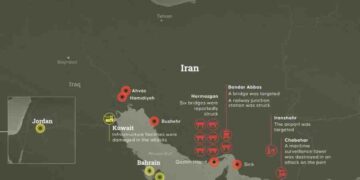






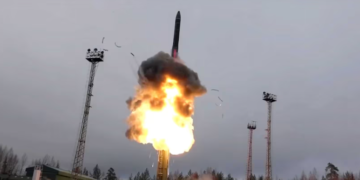






























Iran’s Islamic Revolutionary Guard Corps (IRGC) said on Wednesday that it had carried out missile and drone attacks on dozens of US military facilities in Kuwait and Bahrain in retaliation for a new wave of American strikes on Iran, according to a statement broadcast by Iranian state media.

The IRGC said its Navy and Aerospace Force conducted a joint operation, claiming it struck “85 key US military facilities” in the two Gulf countries and also downed an MQ-9 drone.
Before the reported attacks, Iran’s top military command, Khatam al-Anbiya Central Headquarters, warned that Iranian forces would deliver a “crushing response” to what it described as a “blatant act of aggression.” It also said Tehran would not accept US interference in matters related to the Strait of Hormuz.
The reported Iranian strikes came after the United States launched a new wave of attacks against Iran on Tuesday following damage to three tankers in the Strait of Hormuz. Washington also revoked a licence that had allowed Iran to continue oil exports, increasing pressure on Tehran amid a fragile ceasefire.
The US Central Command (Centcom) said it had struck more than 80 targets in Iran as part of an operation aimed at imposing “heavy costs.” It said the strikes targeted more than 60 small boats operated by the IRGC to reduce Iran’s ability to threaten commercial shipping.
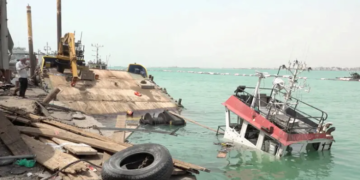
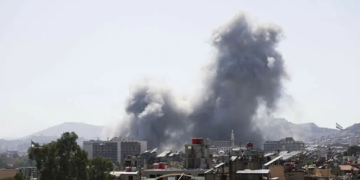
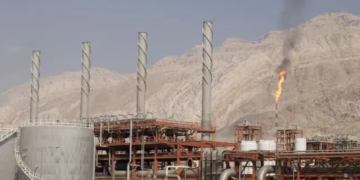
Iranian media reported explosions at several locations, including the country’s main oil hub of Kharg Island, Qeshm Island, and southern port cities such as Sirik and Bandar Abbas. No civilian deaths were reported, though some injuries were caused by shrapnel after an “enemy projectile” struck a commercial pier in Sirik.
Reports said fishing facilities in Sirik and Bandar Abbas were also hit, with several fishing boats catching fire. Iran’s Press TV reported explosions on Kharg Island but did not provide details about the cause, damage, or casualties.
Centcom did not mention Kharg Island in its statement. The island, which handles around 90 per cent of Iran’s crude oil exports, was previously targeted by the US in April.
A US official told Reuters that the strikes focused on Iranian air defence systems, coastal surveillance infrastructure, surface-to-air missiles, anti-ship cruise missiles, and drone launch sites.
The latest escalation has raised concerns over the future of the US-Iran ceasefire agreement reached last month, which temporarily halted a conflict that began in February with US and Israeli strikes across Iran.
Washington’s decision to withdraw an oil export concession granted under the interim agreement dealt another blow to diplomatic efforts. Oil prices increased by more than 3 per cent following the announcement.
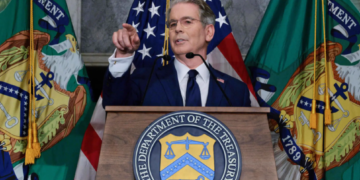
Under the temporary US-Iran arrangement, the US Treasury had issued a licence on June 22 allowing Iran to sell crude oil, petrochemical, and petroleum products until August 21. After revoking the licence, Washington gave Iran until July 17 to complete ongoing transactions.
Kuwait condemned the reported Iranian attacks on its territory, saying they undermined regional efforts to reduce tensions. Kuwait’s foreign ministry described the strikes as “the continuation of these brazen attacks” that “systematically undermines efforts to lower tensions”.
Iran’s foreign ministry rejected the US move, calling it a violation of the ceasefire framework and warning that Washington would be responsible for any consequences. It said Tehran would take “any measure necessary” to protect its interests and national security.
Meanwhile, Qatar accused Iran of attacking vessels in the Gulf, including a Qatari liquefied natural gas tanker, Al Rekayyat, which was reportedly hit by a drone, causing a fire in its engine room. The crew members were evacuated safely.
A Saudi-flagged crude oil tanker was also damaged near Oman, though the cause of the incident remained unclear.
Qatar said it had summoned Iran’s deputy ambassador and issued a formal protest, while Tehran rejected the accusations and said it was fulfilling its commitments. Iran also warned that commercial vessels could face risks if they used routes not coordinated with Tehran.
The dispute comes as Iran seeks to establish a permanent system for collecting fees in the Strait of Hormuz, a move that could significantly alter the balance of power in a region where the United States has traditionally played a major security role.
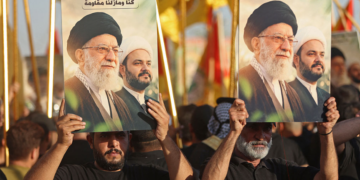
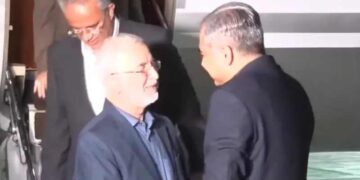
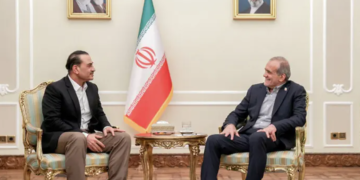
Iranian President Masoud Pezeshkian returned to Iran after leaving Iraq, where he had attended funeral ceremonies for late Supreme Leader Ayatollah Ali Khamenei, following the US strikes.
The ceasefire agreement was intended to create a 60-day period for negotiations on a permanent settlement, but indirect talks in Qatar ended last week without progress.
US President Donald Trump has repeatedly warned that military action could resume if no agreement is reached, saying: “We’re either going to make a deal or we’re going to finish the job …We can knock down their bridges in one hour, we can knock out their energy supply.”
Iranian Foreign Minister Abbas Araqchi said negotiations on a final agreement would “not commence if threats continue” under the terms of the interim ceasefire memorandum.