






















































LONDON: OPEC and its allies are expected to lose some influence over the global oil market following the decision by the United Arab Emirates to leave the group on May 1. However, the broader OPEC+ alliance is likely to remain intact and continue coordinating oil supply policies, according to delegates and analysts.

The UAE, OPEC’s fourth-largest producer, is exiting after nearly 60 years of membership. Its departure will free Abu Dhabi from production quotas imposed by the group to balance global supply and demand. Sources described the move as unexpected and said it would complicate OPEC+ efforts to manage the market, as the alliance will now control a smaller share of global oil output.
Before recent regional disruptions, the UAE was producing around 3.4 million barrels per day (bpd), accounting for roughly 3% of global supply. Its exit marks the largest departure from OPEC in recent years and is seen as a significant blow to the group and its leading member, Saudi Arabia. Once outside OPEC, the UAE will operate like other independent producers such as the United States and Brazil.
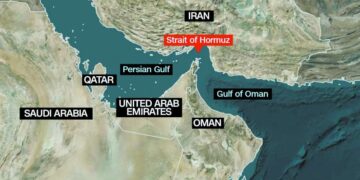
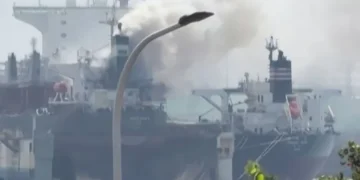
However, immediate production increases remain limited due to ongoing disruptions in the Strait of Hormuz. If conditions stabilize, the UAE could raise output toward its capacity of 5 million bpd. Tensions between the UAE and Saudi Arabia over production quotas have been building for years, particularly as Abu Dhabi expanded its production capacity through major investments and sought higher output limits.
The exit also comes amid broader geopolitical strains in the region, including conflicts affecting energy infrastructure and supply routes. Despite this setback, OPEC+ is not expected to collapse. Analysts say Saudi Arabia will continue to play a central role in managing oil markets through the alliance.
The group also provides its members with diplomatic and strategic influence, encouraging countries like Iran to remain within the bloc. Recent years have already seen several countries leave OPEC, including Angola (2024), Ecuador (2020), and Qatar (2019). Meanwhile, Iraq, OPEC+’s third-largest producer, has confirmed it has no plans to exit, emphasizing the importance of stable oil prices.
OPEC’s global influence has been declining over decades. Once controlling more than 50% of global oil output, its share has dropped to around 30%. The rise of U.S. shale production has been a major factor, with the United States now accounting for roughly 20% of global output.
The formation of OPEC+ in 2016, which includes producers like Russia, helped restore some influence, bringing combined control to about 50% of global supply. With the UAE’s departure, that share is expected to fall to around 45%. Analysts conclude that while OPEC+ will survive, its long-term influence over global oil markets is likely to weaken.