








































WASHINGTON (MNN); The United States Trade Representative (USTR) has proposed new tariffs on imports from 60 economies, including Pakistan and India, alleging that they have failed to effectively prevent the import of goods produced through forced labour.

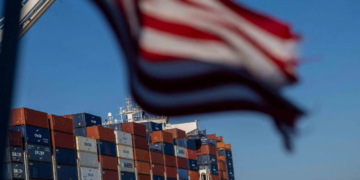
According to a government filing, the proposed duties range between 10 and 12.5 per cent and will be subject to a public consultation process before a final decision is made. The move is part of the Trump administration’s efforts to revive its trade agenda after recent legal challenges to its tariff policies.
The USTR said investigations were conducted into several major trading partners, including China, the European Union, Japan and others, to determine whether they had taken adequate measures to block imports linked to forced labour and whether such practices harmed US commerce.
The agency concluded that 54 economies, including China, India, Vietnam, Taiwan and the United Kingdom, failed to impose and effectively enforce bans on forced-labour imports. Another six economies — Pakistan, Canada, Mexico, Indonesia, Ecuador and the European Union — were found to have inadequately enforced such restrictions.
USTR Ambassador Jamieson Greer said the failure of key trading partners to address forced labour imports was unacceptable and placed American workers at a disadvantage in global markets.
Under the proposal, imports from Pakistan, Canada, Mexico, the EU, Bangladesh, Malaysia, Taiwan, the UK and several other countries would face an additional 10 per cent duty, while imports from the remaining 45 economies under investigation would be subject to tariffs of up to 12.5 per cent.
Certain products, including beef, coffee, selected fruits and nuts, as well as goods covered under North American trade agreements, would be exempt from the proposed duties.
The USTR has invited public comments until July 6 and will hold hearings before making a final determination.
China strongly rejected the allegations, saying there is no forced labour in the country and accusing Washington of using the issue for political purposes. The European Union also criticized the proposed tariffs as unjustified, while Switzerland rejected US findings regarding its enforcement measures against forced-labour imports.