



















































WASHINGTON/TEHRAN (MNN); Tensions between the United States and Iran intensified on Saturday after the US military announced strikes on Iranian coastal surveillance installations following the interception of drones allegedly launched toward the Strait of Hormuz.

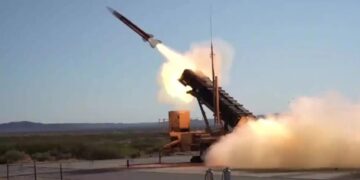
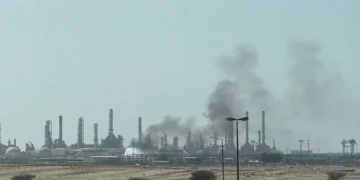
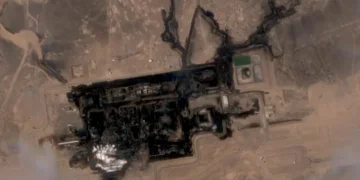
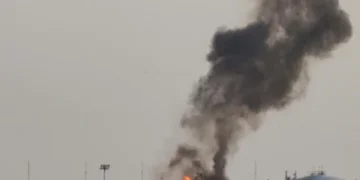
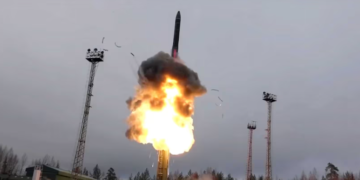
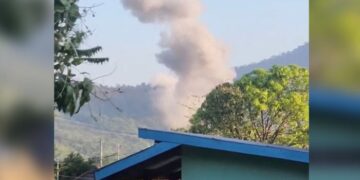
According to US officials, American forces shot down four Iranian drones believed to be targeting maritime traffic in the strategic waterway. The US Central Command later confirmed that it had carried out strikes on radar and surveillance facilities located in Goruk and Qeshm Island along the Strait of Hormuz.
Iran’s Revolutionary Guard Corps said it responded by launching missile attacks against US military positions in the region and targeting tankers attempting to pass through the strait without Tehran’s authorization.
Regional tensions quickly spread beyond the immediate conflict zone. Kuwaiti state media reported that the country’s air defence systems intercepted missile and drone attacks, while authorities in Bahrain activated air raid sirens and advised residents to seek shelter. Iran claimed it had targeted US military installations in both countries with ballistic missiles. However, the US military said six missiles were intercepted and another failed to reach its intended target.
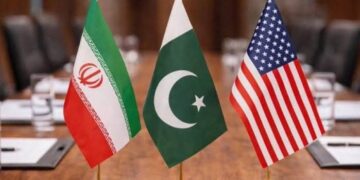
The latest exchange comes despite ongoing indirect negotiations between Washington and Tehran aimed at securing an interim agreement to halt a conflict that has continued for more than three months. Key issues, including Iran’s nuclear programme and sanctions relief, remain unresolved.
Diplomatic efforts have repeatedly stalled amid continuing military confrontations. Tehran has demanded access to billions of dollars in frozen oil revenues, easing of sanctions on crude exports, removal of restrictions on its ports and greater influence over the Strait of Hormuz as part of any future agreement.
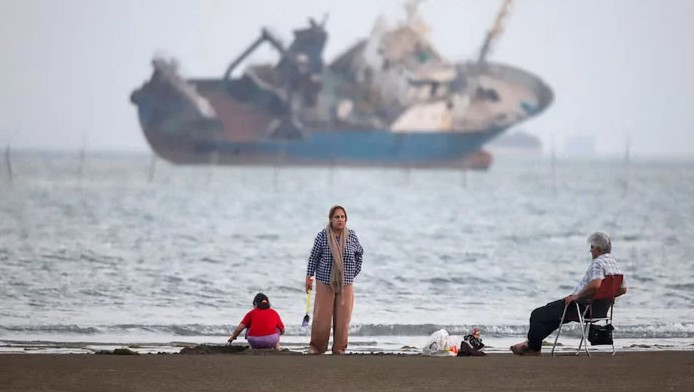
The strategic waterway remains a central point of contention. Before the conflict, nearly one-fifth of the world’s oil supply passed through the Strait of Hormuz. Disruptions to shipping have significantly affected global energy markets and supply chains.
US President Donald Trump is facing increasing domestic pressure to bring the conflict to an end as rising fuel prices continue to impact American consumers. In an interview with NBC News, Trump said that most of Iran’s missile and drone production facilities had been destroyed, although Tehran still retained a portion of its missile arsenal.
Trump said Iran remained capable of launching missiles and drones despite suffering significant military losses, adding that Iranian leaders were reluctant to compromise because of national pride and strategic calculations.
The conflict began after US and Israeli military operations against Iran earlier this year. In response, Tehran launched missile and drone attacks against Gulf states hosting US military bases and significantly disrupted maritime traffic through the Strait of Hormuz.
The ongoing confrontation has contributed to higher oil prices and growing concerns over global food security. The United Nations World Food Programme warned that rising fuel and transportation costs were pushing millions of people closer to hunger.
Meanwhile, Mohsen Rezaei, an adviser to Iran’s Supreme Leader, said any peace agreement would depend on the release of approximately $24 billion in frozen Iranian assets. He also warned of serious consequences if Washington resumed large-scale military operations.
In a related regional development, the Iran-backed group Hezbollah said it carried out two attacks against Israeli forces in southern Lebanon, including near Beaufort Castle. Lebanese security officials also reported fresh Israeli airstrikes on several towns in southern Lebanon.
Iran has reiterated its support for Hezbollah and insists that any broader agreement with Washington must include a ceasefire between Israel and Hezbollah as well as an Israeli withdrawal from southern Lebanon.
The latest round of fighting between Hezbollah and Israel began in March. Hezbollah has said its operations are intended to support Iran during the ongoing conflict.
Hezbollah leader Naim Qassem this week rejected a US-backed proposal aimed at ending hostilities in Lebanon, arguing that the plan failed to guarantee an Israeli withdrawal and was negotiated without Hezbollah’s participation.
Israeli forces have continued military operations in southern Lebanon, while Lebanese Parliament Speaker Nabih Berri indicated he would support Hezbollah’s withdrawal from the area if Israeli troops simultaneously left occupied Lebanese territory.
Despite several ceasefire arrangements brokered by the United States, violence has continued across multiple fronts, including Lebanon, Gaza, northern Israel and parts of the Gulf region, raising concerns about the risk of a broader regional conflict.