





















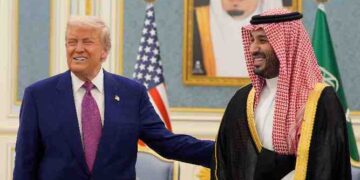

























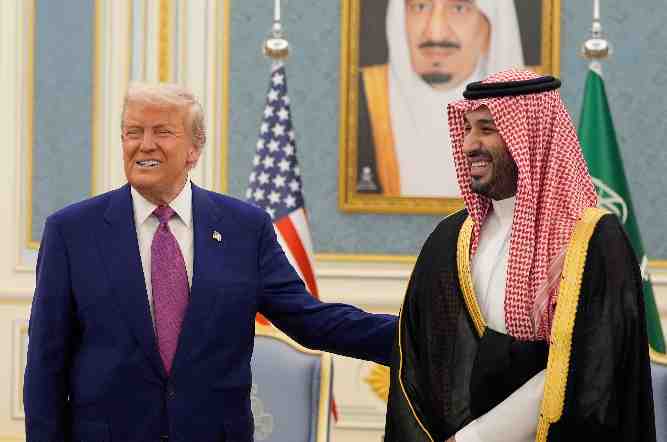
WASHINGTON (MNN); US President Donald Trump has announced that a landmark civilian nuclear cooperation agreement with Saudi Arabia will only move forward if Riyadh agrees to join the Abraham Accords and formally normalises diplomatic relations with Israel.

In a post on Truth Social on Thursday, President Trump clarified that the agreement is strictly limited to the peaceful use of nuclear technology, similar to civilian nuclear programmes already operating in countries such as the United Arab Emirates (UAE) and others. He stressed that final approval of the deal remains conditional upon Saudi Arabia recognising Israel through the US-brokered Abraham Accords.
The Abraham Accords, negotiated during Trump’s first administration in 2020, paved the way for diplomatic relations between Israel and several Arab nations. However, the agreements continue to face criticism across the Middle East because they do not directly address the longstanding Israeli-Palestinian conflict.
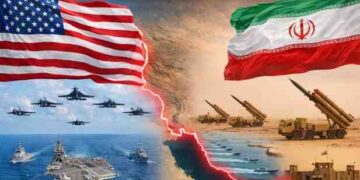
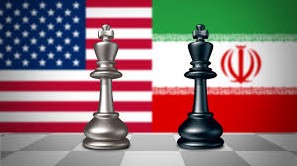
The announcement comes as the United States remains engaged in heightened tensions with Iran over Tehran’s nuclear programme, an issue that has also stalled diplomatic negotiations between the two countries.
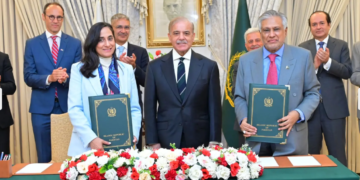
The US Department of Energy confirmed that Energy Secretary Chris Wright and Saudi Energy Minister Prince Abdulaziz bin Salman signed two major agreements covering peaceful nuclear cooperation and bilateral safeguards. According to the department, the agreements establish the legal framework for a multi-billion-dollar strategic partnership focused on civilian nuclear energy, economic cooperation, and nuclear non-proliferation.
While the full text of the agreements has not yet been released, media reports suggest one provision could allow US companies to build a uranium enrichment facility in Saudi Arabia. The US Energy Department has neither confirmed nor denied those reports.
The agreements will now be submitted to the US Congress for review. Although lawmakers from both major political parties and Israeli officials have previously raised concerns that uranium enrichment capabilities could eventually be diverted toward military purposes, the Republican-controlled Congress is not expected to block the deal.
Saudi Arabia has consistently maintained that it seeks only a peaceful civilian nuclear programme, similar to other countries in the region. Washington has long attempted to combine nuclear cooperation with broader strategic goals, including Saudi recognition of Israel and an expanded US-Saudi defence partnership.
Pakistan and Saudi Arabia also strengthened bilateral defence cooperation after signing a mutual defence pact in September 2025.
The United States previously signed a civilian nuclear cooperation agreement with the UAE in 2009, although Abu Dhabi does not enrich uranium domestically. Concerns over nuclear proliferation have remained high across the Gulf, particularly amid fears that any Iranian nuclear weapons capability could trigger a regional arms race.
US Energy Secretary Chris Wright dismissed proliferation concerns, saying the agreements meet the highest international standards for nuclear safety and non-proliferation while relying on advanced American nuclear technology.
The agreement has been concluded under Section 123 of the US Atomic Energy Act, the legal framework governing American civilian nuclear cooperation with foreign countries. The United States currently maintains similar nuclear cooperation agreements with more than 50 countries worldwide.
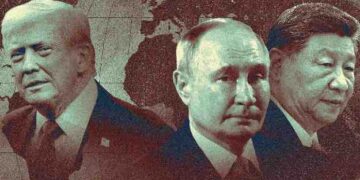
Security experts remain divided over the arrangement. Atlantic Council analyst Matthew Kroenig warned that permitting uranium enrichment inside Saudi Arabia could weaken global non-proliferation standards, while Jennifer T. Gordon, Director of the Atlantic Council’s Nuclear Energy Policy Initiative, described the agreement as a strategic victory for Washington over Russia and China, arguing it keeps Saudi Arabia aligned with Western nuclear technology rather than turning to Beijing or Moscow.
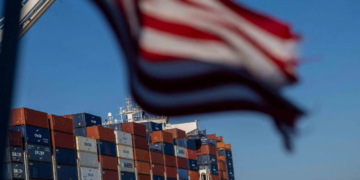
Meanwhile, President Trump also issued a strong warning to Iran following fresh attacks by Yemen’s Houthi movement on commercial shipping.
In another Truth Social post, Trump alleged that the Houthis had targeted two Saudi vessels and warned that any future attacks would be considered Iran’s responsibility because the Houthis act as Tehran’s proxy.
He cautioned that any renewed attacks on commercial shipping would trigger a strong US military response against both Iran and the Houthis, adding that he was disappointed after previously describing the group’s recent conduct as relatively restrained during the ongoing regional conflict.