










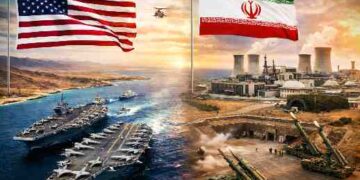




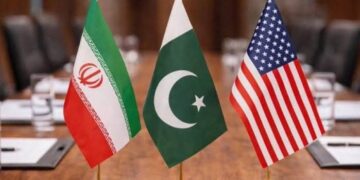


















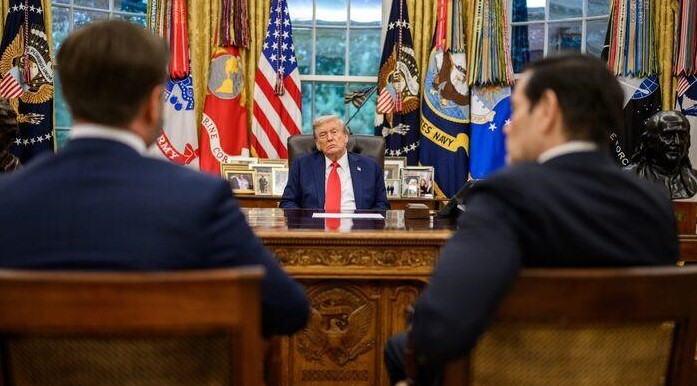
WASHINGTON/TEHRAN (MNN); US President Donald Trump has shared a draft peace proposal on the conflict with Iran among key allies, including Israel, as diplomatic efforts continue to preserve the fragile ceasefire and move negotiations toward a broader agreement.

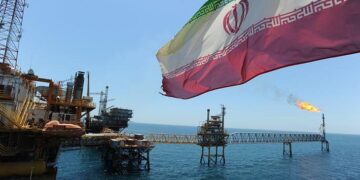
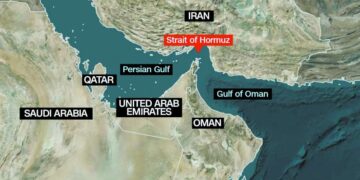
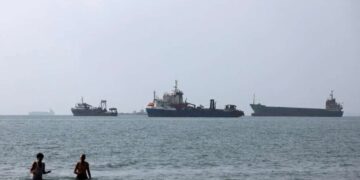
According to media reports, the proposal outlines steps to reopen the Strait of Hormuz to commercial shipping, end the US blockade on Iranian ports and restore Tehran’s access to nearly $12 billion in frozen funds.
Under the proposed arrangement, maritime traffic through the Strait of Hormuz would gradually return to pre-conflict levels within 30 days, while formal negotiations on Iran’s nuclear programme would begin under a process expected to continue for up to 60 days.
The talks are expected to focus on Iran’s stockpile of highly enriched uranium, a temporary suspension of further uranium enrichment, monitoring by the International Atomic Energy Agency, and a formal Iranian commitment not to pursue nuclear weapons.
The White House said discussions remain ongoing and no final agreement has yet been approved. Deputy Chief of Staff Stephen Miller said Iran had made several significant concessions, but stressed that nothing would be final until all terms are agreed.
US Vice President JD Vance also said Washington and Tehran were close to an agreement, though differences remain over Iran’s enriched uranium stockpile and the future of enrichment activities.
Meanwhile, the US announced fresh sanctions targeting networks accused of financing Iran’s military and Revolutionary Guard operations. The Treasury Department sanctioned eight vessels involved in transporting Iranian oil and petroleum products, along with more than 15 companies allegedly linked to Iran’s oil trade.
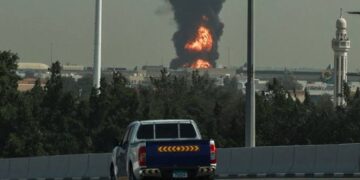
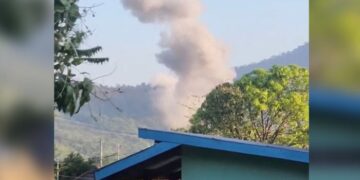
Despite diplomatic progress, tensions remained high in the region. Iranian media reported that air defence systems intercepted a hostile aircraft over Bushehr province after explosions were heard in the area, though US officials denied losing any aircraft.
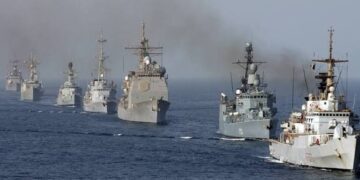
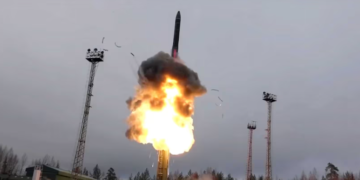
Iran’s armed forces also reportedly launched missiles from the country’s south toward unspecified targets, while reports described warning exchanges involving ships near the Strait of Hormuz.
Iranian negotiator Mohammad Baqer Ghalibaf said Tehran would judge any agreement by actions rather than promises, adding that Iran would not move forward unless the other side took practical steps first.
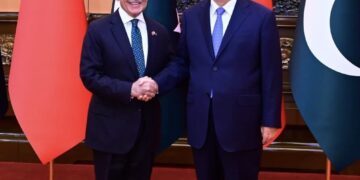
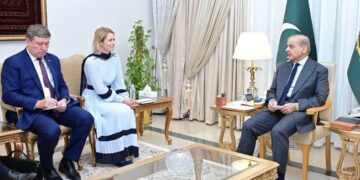
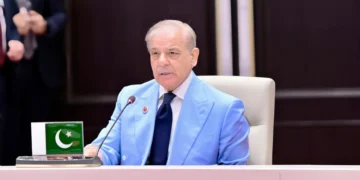
Iranian President Masoud Pezeshkian thanked Prime Minister Shehbaz Sharif for his diplomatic initiative and efforts to help facilitate a peace agreement between Iran and the United States.