











































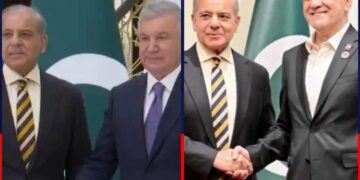













ISLAMABAD: Pakistan and Kuwait are holding preliminary discussions on expanding defence cooperation, with Islamabad seeking greater energy collaboration and investment in return, according to five sources familiar with the negotiations.

The talks remain in the early stages and could be affected by heightened tensions between the United States and Iran, one source told Reuters.
The discussions come after Reuters reported that Islamabad was concerned its mutual defence agreement with Saudi Arabia, signed last year, could potentially draw Pakistan into the ongoing US-Iran conflict. Following an attack by Iran-aligned Houthi forces on Saudi Arabia earlier this week, Pakistan informed Tehran that any attack on the kingdom would be regarded as an attack on Pakistan.
An expanded defence arrangement with Kuwait, which has faced repeated Iranian attacks this year, could also raise questions about Pakistan’s future role as a potential mediator between Washington and Tehran.
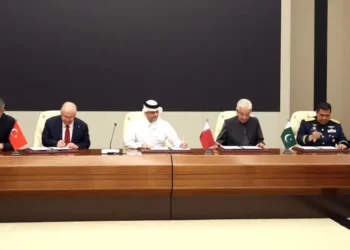
Pakistan and Kuwait have maintained a limited defence agreement since 2023 covering military training and joint exercises. According to a Pakistani government official, Kuwait is now seeking a broader partnership similar to Pakistan’s defence pact with Saudi Arabia.
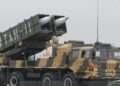
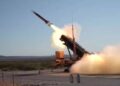
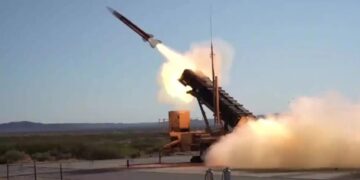
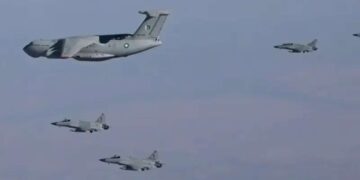
The proposed arrangement reportedly includes the deployment of Pakistani troops, fighter aircraft, drones, air defence systems and other military support.
However, Pakistani officials indicated that Islamabad is unlikely to agree to the deployment of combat troops.
“Kuwait’s wish list includes everything,” a Pakistani security official said. “But let me be clear about one thing: We are not and we cannot consider a deployment of combat troops at this stage.”
A Middle Eastern source confirmed that discussions between the two countries include defence procurement but cautioned that it remains uncertain whether they will result in a formal defence pact.
Reuters said it spoke to four Pakistani sources and one Middle Eastern source, all of whom requested anonymity because they were not authorised to speak publicly. Pakistan’s military media wing and Kuwait’s information ministry did not respond to requests for comment.
Regional defence ties
Pakistan and several Gulf countries have increasingly explored new regional defence arrangements over the past year.
With a sizeable military and a domestic defence industry that manufactures fighter aircraft, Pakistan is viewed by some Gulf states as a potential complement or alternative to US security guarantees amid growing concerns over Washington’s long-term reliability as an ally.
One Middle Eastern source familiar with Kuwait’s security planning said Pakistan is regarded as a dependable partner because of its longstanding defence relationship with Saudi Arabia, its military capabilities, and its ties with the United States.
The source added that Turkey, Pakistan and Saudi Arabia are also working on a draft multilateral defence agreement separate from Islamabad’s existing bilateral pact with Riyadh.
According to one source, Bahrain has expressed interest in a similar defence arrangement, while three sources said Jordan is exploring agreements focused on military training and weapons cooperation.
Energy cooperation
The discussions are also linked to Pakistan’s efforts to strengthen its energy security and attract foreign investment.
According to a Pakistani source familiar with the negotiations, Islamabad is seeking greater cooperation in the energy sector as part of any broader agreement. Kuwait is reportedly examining the possibility of establishing bonded fuel storage facilities in Pakistan, building on an existing government-to-government diesel supply arrangement.
Two sources said such energy and investment incentives could encourage Pakistan to pursue a wider defence partnership once regional tensions between the United States and Iran begin to ease.
However, analysts warned Islamabad should carefully assess the risks of expanding its security commitments.
“Pakistan has to be cognizant of dangers of over-commitment,” said Muhammad Faisal, a South Asia researcher at the University of Technology Sydney.