

































































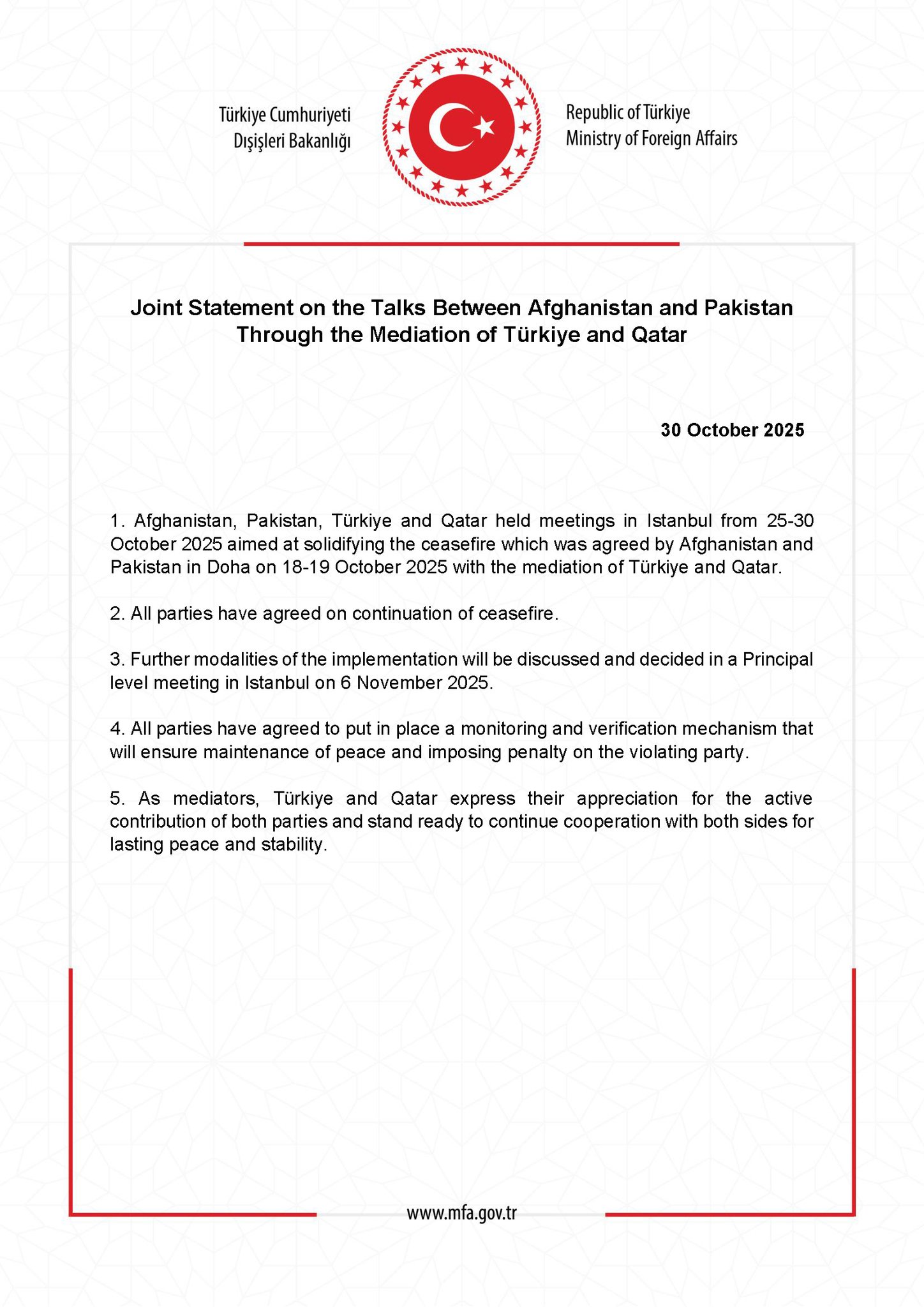
ISLAMABAD; Pakistan and Afghanistan agreed early Friday morning to continue the ceasefire, easing tensions that had sharply escalated following border clashes and a breakdown in bilateral relations earlier this month.

The agreement was reached after several days of intensive diplomacy, with Türkiye and Qatar mediating between the two sides. Talks initially began in Istanbul last Saturday but had reached a stalemate due to Pakistan’s persistent concerns over cross-border terror attacks originating from Afghan territory.
Last-minute mediation efforts on Thursday helped revive dialogue, leading to an understanding to uphold the ceasefire and finalize further implementation details in a principal-level meeting scheduled for November 6 in Istanbul.
According to a joint statement issued after the latest round of talks, both sides also agreed to establish a “monitoring and verification mechanism” to ensure peace is maintained along the border and to impose penalties on whichever side violates the truce.
The statement added that the mediating countries, Türkiye and Qatar, appreciated the “constructive role and active contributions” of both delegations and vowed to continue facilitating efforts for lasting peace and regional stability.
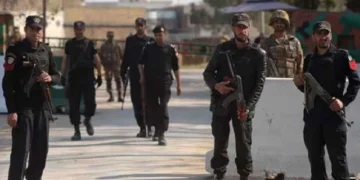
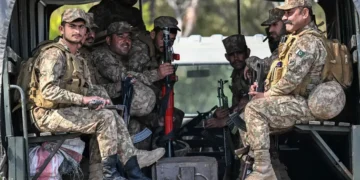
Relations between Islamabad and Kabul have been strained in recent weeks following deadly border skirmishes, mutual accusations, and a surge in militant activity.
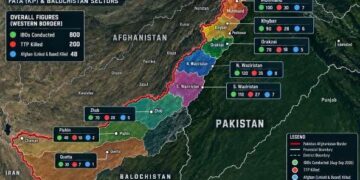
Tensions flared on October 11 when an attack was launched on Pakistani territory from across the Afghan border. The Afghan Taliban had earlier accused Pakistan of conducting airstrikes inside Afghanistan — a claim Islamabad has neither confirmed nor denied.
Pakistan has consistently demanded that the Taliban prevent terrorist groups from using Afghan soil to target Pakistan. The Taliban, however, reject these allegations, claiming they are not allowing militant operations from their territory.
The October 11 incident was followed by multiple cross-border exchanges, including Pakistani strikes targeting the Gul Bahadur group’s hideouts in Afghanistan.
In the aftermath, both sides engaged in talks in Doha, which led to a temporary ceasefire and an agreement to meet again in Istanbul to work out a long-term peace framework.
The second round of Istanbul talks, mediated by Türkiye and Qatar, resumed last week but initially ended without a breakthrough. Pakistani officials, including Minister for Information and National Heritage Attaullah Tarar, had acknowledged earlier this week that discussions had “failed to produce a workable solution.”
However, Friday’s announcement of continued ceasefire efforts and renewed engagement has raised cautious optimism for de-escalation and the potential for durable peace between the two neighbours.