








































DOHA (MNN); Global markets continued reacting on Wednesday to growing expectations that the United States and Iran could reach an agreement in the coming days, though investors warned that confidence may fade quickly if negotiations fail to deliver results.

Brent crude fell 3.2 percent to $93.48 a barrel by late afternoon, while US Treasury yields extended recent declines amid investor hopes for a breakthrough between Washington and Tehran.
US President Donald Trump earlier indicated that an agreement with Iran remained possible, despite the White House dismissing reports in Iranian state media about a draft framework.
Investors said markets were increasingly pricing in a diplomatic breakthrough, but warned patience could wear thin if talks drag on.
“The expectation is that this could finally be the week for meaningful progress, but if negotiations collapse, market optimism may not last,” AJ Bell investment director Russ Mould told AFP.
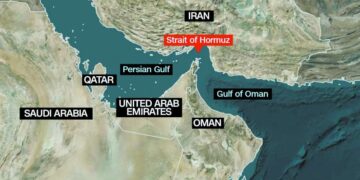
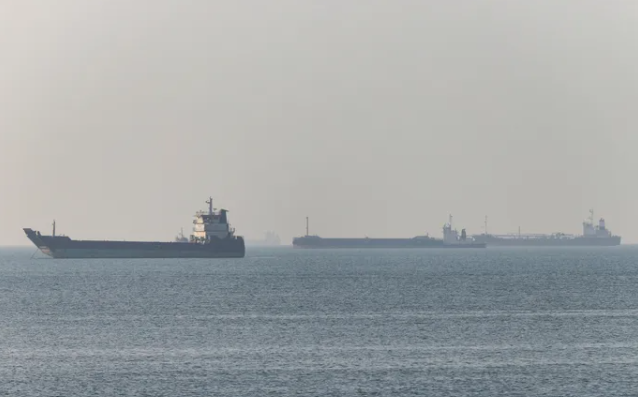
Oil prices have now fallen more than 5 percent as traders await clarity on a possible deal aimed at ending tensions and restoring normal shipping through the Strait of Hormuz.
Brent crude futures dropped to $94.29 a barrel, while US crude futures slipped to $88.68. Both reached their lowest levels in a month earlier in the day and closed at their weakest levels since April 17.
Market attention remains focused on whether Washington and Tehran can secure an agreement to reopen the Strait of Hormuz, a key route for global oil supplies.
Meanwhile, Ebrahim Azizi, chairman of the Iranian parliament’s national security committee, said Iran would not be pressured by US rhetoric and would maintain its core demands.
He said Tehran would not compromise on its right to enrich uranium, retain enriched uranium stockpiles, maintain authority over the Strait of Hormuz, and seek the lifting of sanctions.
Azizi said President Trump was alternating between threats and calls for an agreement as Washington sought a way out of the current impasse.
Doug Bandow, a senior fellow at the Cato Institute, said the standoff between the US and Iran had increasingly become an economic battle, especially with competing restrictions around the Strait of Hormuz.
He said Trump was facing growing pressure because the closure of the waterway had created major economic consequences, while reopening it without a deal remained difficult.
Bandow also questioned Trump’s claim that he was unconcerned about the political impact of the crisis ahead of the upcoming midterm elections, saying the president would be closely watching domestic political fallout.
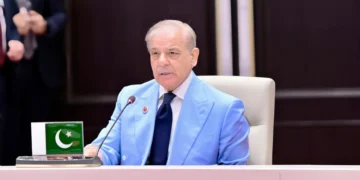
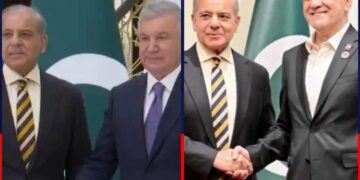
Separately, Shehbaz Sharif held talks with Masoud Pezeshkian on the occasion of Eid al-Adha.
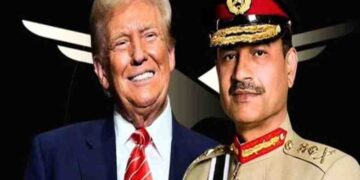
In a post on X, Sharif said the Iranian president appreciated Pakistan’s efforts for regional peace and acknowledged the role played by Pakistan’s army chief Asim Munir, along with Saudi Arabia, Qatar and Turkiye.
Sharif said he reaffirmed Pakistan’s solidarity with Iran over the loss of lives during the ongoing crisis and expressed hope that current diplomatic efforts would soon result in a lasting agreement promoting regional stability and cooperation.
Speaking further during the cabinet meeting, Trump said the Strait of Hormuz would remain open and not fall under the control of any one country under a future agreement.
He also repeated that the United States was not currently discussing any easing of sanctions on Tehran.