























































ISLAMABAD (MNN); A senior Pakistani diplomat in Afghanistan has held a rare meeting with a powerful Taliban governor as Islamabad grapples with a surge in terror attacks at home, officials and Afghan state media said.

The talks between Pakistan’s Consul General in Jalalabad, Shafqatullah Khan, and Nangarhar Governor Mullah Muhammad Naeem Akhund took place just hours after a suicide attack on the Federal Constabulary headquarters in Peshawar’s Saddar area on Monday morning, in which three FC personnel were martyred before security forces neutralised the attackers.
This was the first high-level contact in months between the Pakistani mission in eastern Afghanistan and the influential Nangarhar administration. Mullah Naeem Akhund is regarded as a key figure in the Taliban hierarchy and a trusted confidant of Supreme Leader Hibatullah Akhundzada.
Akhund, who hails from the Taliban’s old guard, previously served as deputy minister for Borders and Tribal Affairs and deputy minister for Civil Aviation during the group’s first rule from 1996 to 2001. He played a central role in the Taliban’s military commission during the two-decade war against the US and NATO and later oversaw insurgent operations in Helmand province. He is also seen as close to Defence Minister Mullah Yaqoob Mujahid and the late Taliban leader Mullah Akhtar Mansour.
Afghanistan’s state-run Bakhtar news agency quoted officials as saying that the Islamic Emirate “has a constructive stance towards good relations, cooperation and safeguarding common interests” with neighbouring and regional countries, and that efforts in this regard “are ongoing”.
According to Bakhtar, Governor Akhund pointed to the “goodwill, brotherhood and historical kinship” between Afghans and Pakistanis, saying that positive relations can remain strong where mutual respect, understanding and structured coordination exist.
Pakistani officials have long accused militant groups of using Afghan territory to plan and launch attacks inside Pakistan — allegations the Afghan Taliban reject. The latest meeting comes against this tense backdrop, with both sides under pressure from recent cross-border incidents and security concerns.
No formal statement was issued by Pakistan’s consulate in Jalalabad, and neither the mission nor the Foreign Office responded to media queries. However, sources familiar with the meeting said Governor Akhund told the Pakistani diplomat he had already made efforts to help de-escalate tensions between the two neighbours.
They added that Consul General Shafqatullah Khan briefed the governor on Pakistan’s concerns over the current security situation, while both sides expressed interest in bringing relations “back on track”. Bakhtar reported that the two discussed shared ethnic, linguistic, religious and cultural bonds, as well as the regional situation and basic needs of local populations “based on the tradition of good neighbourliness”.
The meeting was also attended by Nangarhar Deputy Governor Maulvi Azizullah Mustafa, Foreign Affairs Director Maulvi Jan Mohammad Inqelab, provincial spokesman Qari Ehsanullah Usmani and other officials.
Background: breakdown in ties
Pak-Afghan relations have deteriorated in recent months, with Pakistan repeatedly pressing Kabul to act against the Tehreek-i-Taliban Pakistan (TTP), which Islamabad accuses of operating from across the border. The Afghan Taliban deny allowing their soil to be used for attacks.
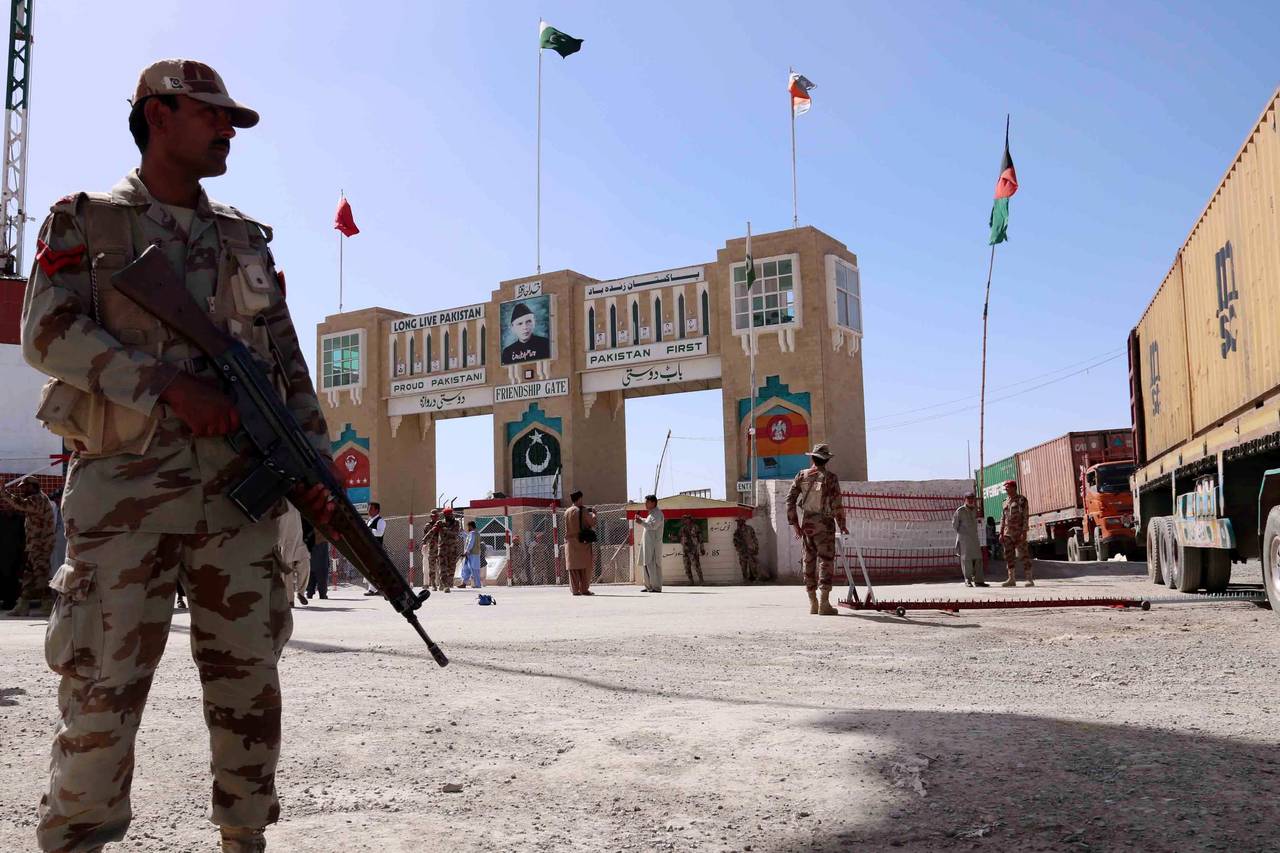
After deadly border clashes in October, both sides had entered talks facilitated by Turkiye and Qatar to devise mechanisms for security cooperation and stability. A second round in Ankara and planned principal-level talks in Istanbul failed to produce a lasting framework. On November 7, Defence Minister Khawaja Asif said discussions on cross-border terrorism were effectively “over” and had entered an “indefinite phase” after negotiators failed to bridge major differences.
Following the collapse of the talks, the Afghan Taliban suspended trade ties with Pakistan, while Islamabad had already curtailed cross-border trade after the October flare-up. Monday’s engagement in Nangarhar is being seen by observers as a tentative step to reopen channels of communication, even as core disputes remain unresolved.