































































NEW DELHI: Indian Prime Minister Narendra Modi on Sunday announced the formation of a high-level task force to overhaul the country’s examination system, a day after Education Minister Dharmendra Pradhan resigned following weeks of nationwide protests over alleged exam irregularities.

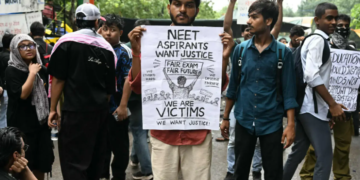
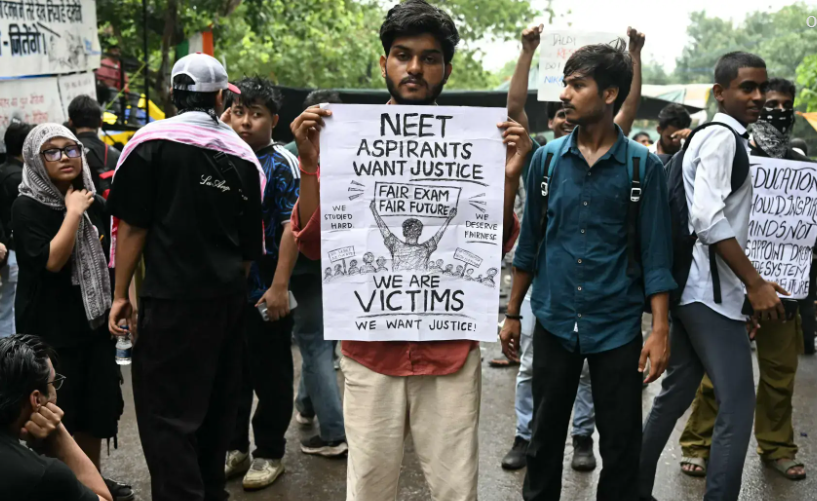
The demonstrations, led by the social media-driven Cockroach Janta Party (CJP), drew thousands of mostly student protesters to Jantar Mantar in New Delhi, becoming one of the largest anti-government movements in India in recent years.
In a video message posted on X, Modi said the government had “decided to set up a high-powered task force” headed by Infosys co-founder Nandan Nilekani to lead reforms of the examination system.
“Our examination system must be reliable. Our examination system must be transparent. Our examination system must make maximum use of technology,” Modi said.
He added that the government “will work to ensure the credibility of upcoming examinations as quickly as possible”.
The protests, initially sparked by allegations of exam irregularities, later expanded to include concerns over youth unemployment, limited opportunities for young people and what critics describe as Modi’s increasingly authoritarian style of governance.
The movement culminated on Saturday with the resignation of the education minister and the government agreeing to several key demands raised by protesters.
By Sunday, authorities had cleared the protest site at Jantar Mantar. Municipal workers were seen washing roads and repainting walls that had been covered with anti-government slogans, graffiti and protest artwork created during weeks of demonstrations.
“We have been here since midnight when the protesters left,” a municipal worker, who declined to be identified, told AFP.
“The walls have been painted, but may require another coat of paint as some lines [from the slogans] are still visible,” he said.
Nineteen-year-old Nayan Thakrele, who travelled for 20 hours by train from the central Indian state of Madhya Pradesh, arrived at the site only after the demonstrations had ended.
“It’s a shame that the protest is over by the time I reached here,” Thakrele said.
“I first heard about it on Instagram and saw the electrifying atmosphere, colourful walls, posters, and wanted to be here and experience it myself,” he added.
Another supporter, identified only as Amish, said he had booked a flight from Mumbai before the minister’s resignation but reached the venue after authorities had begun removing traces of the protest.
“Had they not tried a crackdown, the protest wouldn’t have become as big as it did,” he said.
“I feel that this government will now face the electoral consequences of its recent actions.”
A Delhi police constable stationed at Jantar Mantar said only a small number of people visited the site on Sunday, “mostly locals who are curious to see the site they’d seen in protest videos online”.
Before the cleanup, protesters had displayed posters and messages identifying police officers accused of using batons and tear gas during clashes with demonstrators.
“We want everything to be documented and remembered,” protester Rahul told AFP on Saturday while standing near the so-called “wall of shame”.
“We have taken photos and videos of these posters and hope everyone shares them widely.”