











































































BEIJING: A Chinese university has launched an investigation into reports that a six-year-old girl died after participating in an experimental gene-editing trial, with the death allegedly omitted from subsequent published research.

The case came to light following a joint investigation by Science and Retraction Watch, which reported that the child, identified by the pseudonym “Mei”, died last year about a week after receiving a spinal infusion containing trillions of engineered viruses intended to deliver gene-editing treatment to the brain.
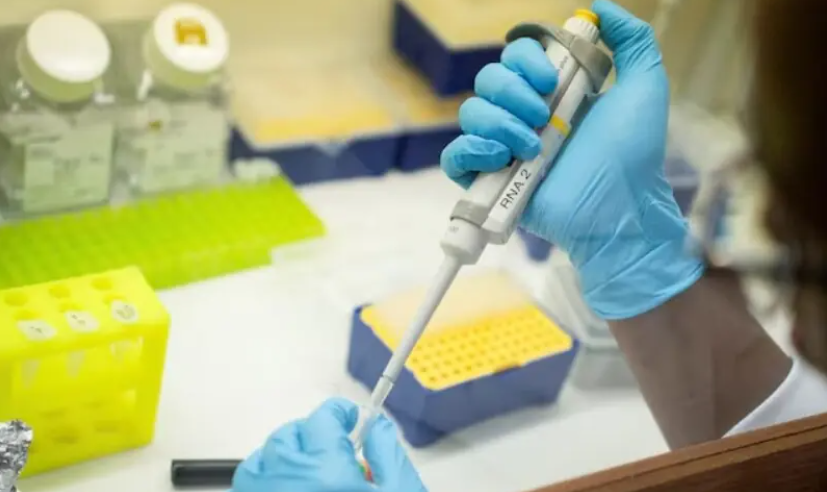
According to the report, the experimental therapy was designed to treat a rare genetic disorder that caused developmental and cognitive delays. Despite the outcome, lead researcher neuroscientist Zilong Qiu later published a paper in the journal Nature on related animal studies without mentioning Mei’s death.
Responding to the reports, the Shanghai Jiao Tong University School of Medicine said it had established a special working group to conduct a full investigation into the matter.
“The School of Medicine attaches great importance to the matter and has set up a special working group to conduct a comprehensive investigation into the incident,” the university said in a statement.
It added that the institution “has always attached great importance to scientific research integrity and research norms, and firmly opposes conducting medical scientific research in violation of scientific research ethics.”
The university said “serious action” would be taken based on the findings of the investigation.
The investigation by Science and Retraction Watch also alleged that Mei’s parents, who reportedly paid more than $800,000 to finance the treatment, were not fully informed about the risks involved.
According to the report, Qiu had been attempting to develop the world’s first gene-editing therapy targeting the brain by correcting a mutated gene in the girl’s neurons to enable production of a vital protein.
The previously unreported death has renewed scrutiny of China’s biotechnology sector and comes years after the 2018 scandal involving scientist He Jiankui, who secretly created the world’s first gene-edited babies, drawing widespread international condemnation.